WHAT OUR GUESTS SAY
Read how others experienced their stay: genuine impressions and reviews from our guests on Google. Discover what awaits you!
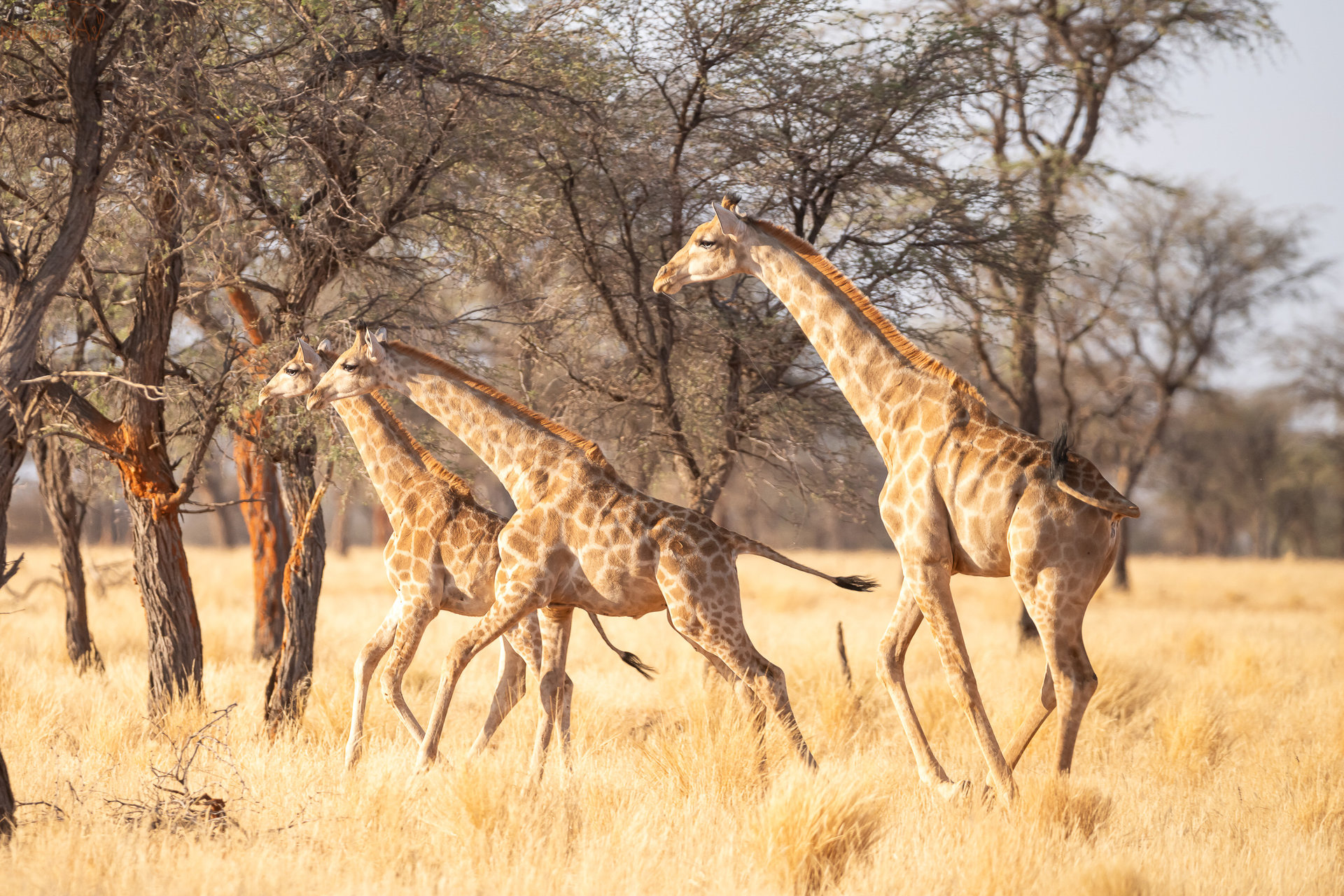
Experience nature. Understand it. Preserve it.
180 km from Windhoek
Kuzikus is a private, state-recognised wildlife reserve undergoing the UN’s OECM certification process, on the edge of Namibia’s semi-arid Kalahari, around 150 km, or a two-hour drive, south-east of Windhoek Hosea Kutako International Airport – ideal for the beginning or end of a tour of Namibia.
At Kuzikus, individual travel, education and science come together to make conservation succeed.
The name Kuzikus comes from Khoekhoegowab and means “white thorn tree”, after the water-loving trees that line the reserve’s limestone pans. Conservation has been part of life here for over 60 years; since 1997, Kuzikus has been an official member of the national Black Rhino Custodianship Programme.
The reserve is run by brothers Berend and Dr Friedrich Reinhard, both biologists, together with a team of around 18 rangers, scientists and volunteers who deliberately welcome small groups of guests. When you visit Kuzikus, you become part of this ambitious conservation project.
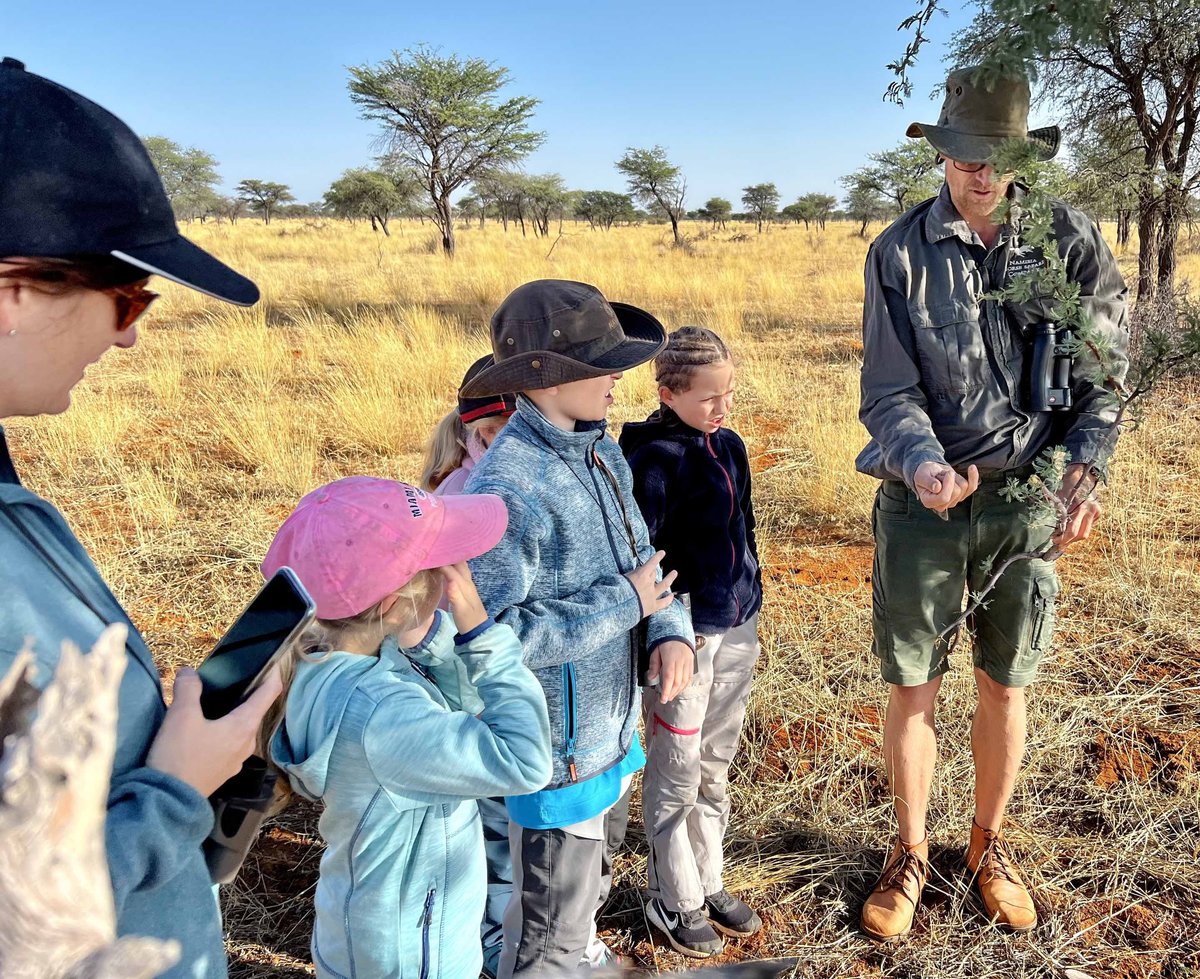
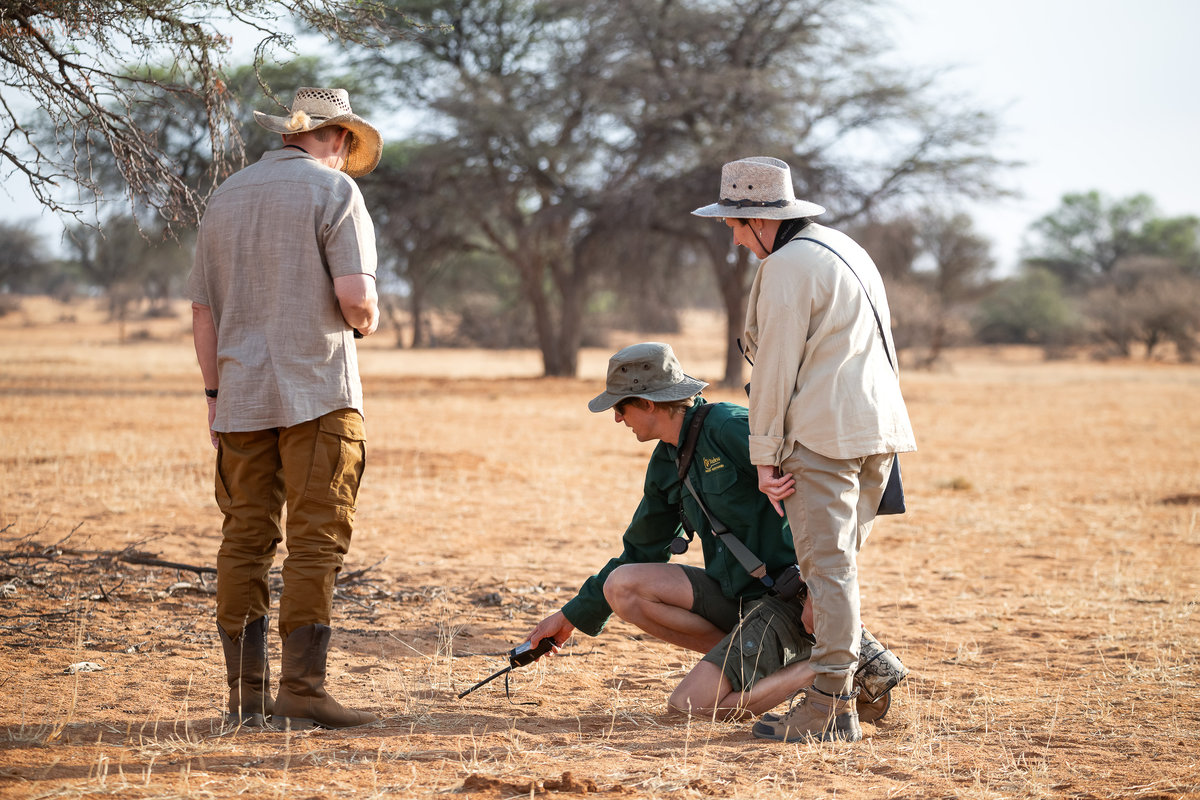
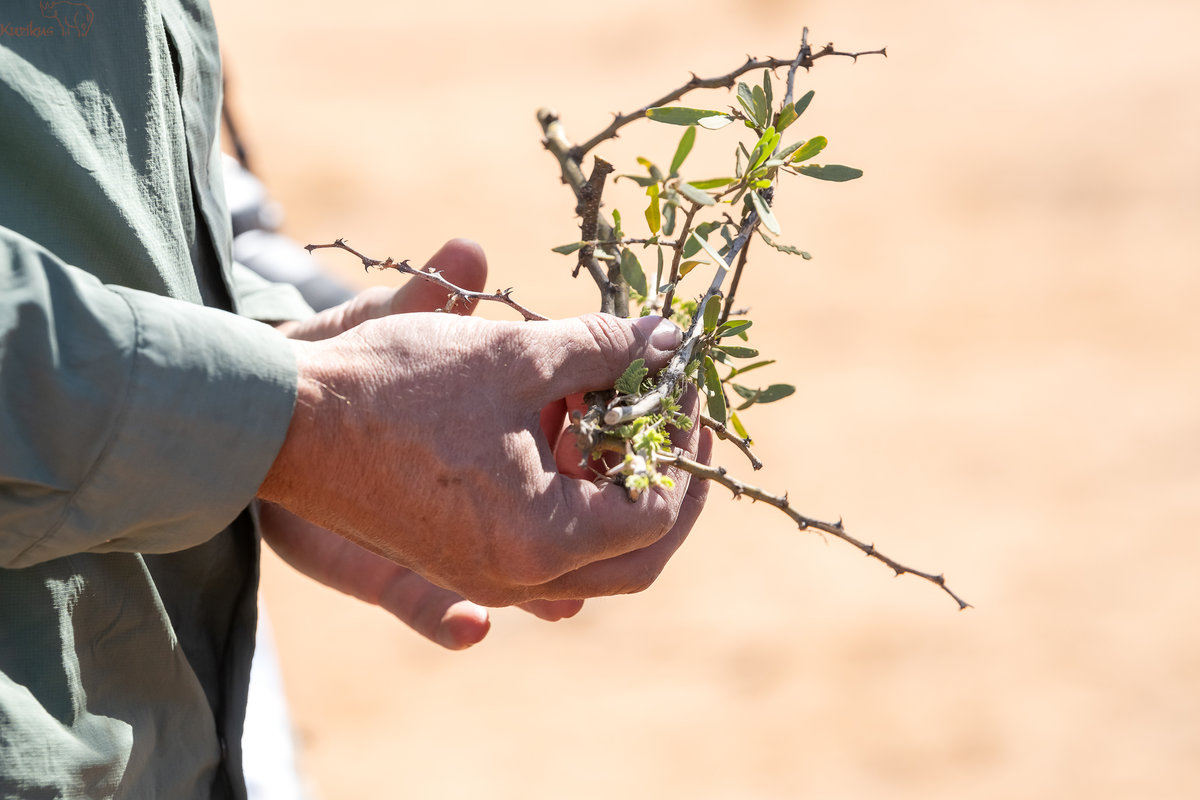
At Kuzikus, you can experience Africa in depth and with all your senses. Scientists introduce you to the plants, animals and wildlife of the Kalahari, with explanations that children and adults alike can understand. You gain a unique insight into how a wildlife reserve works and is managed: from ecological relationships to the active protection of the critically endangered black rhino.
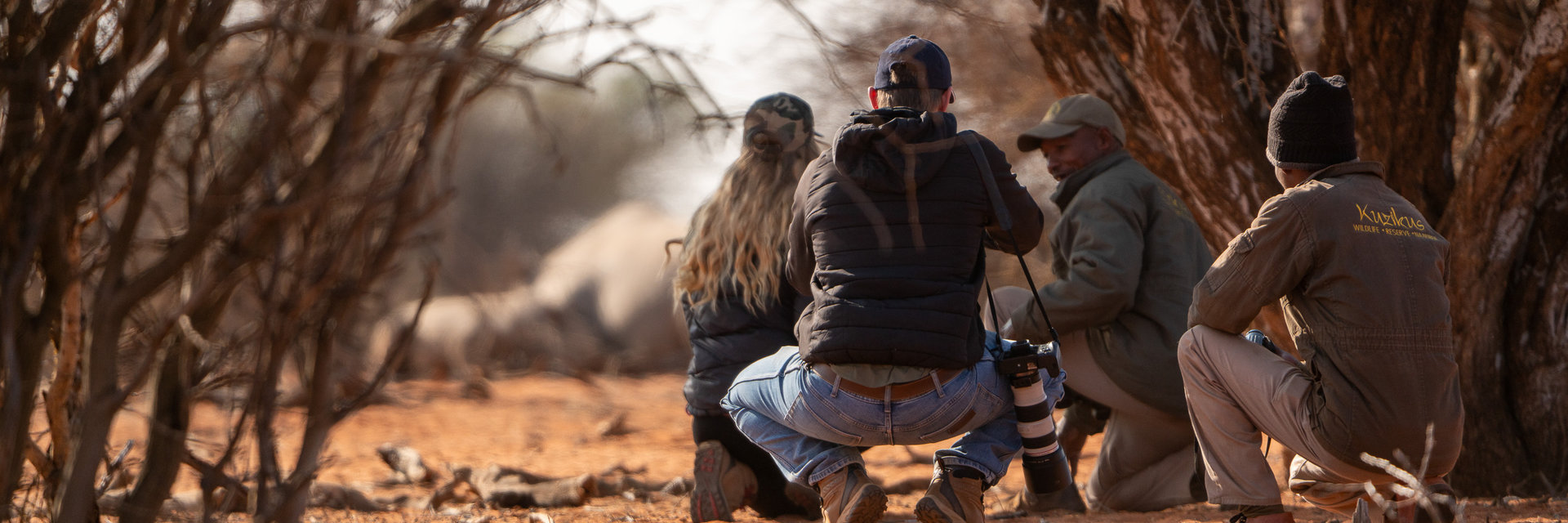
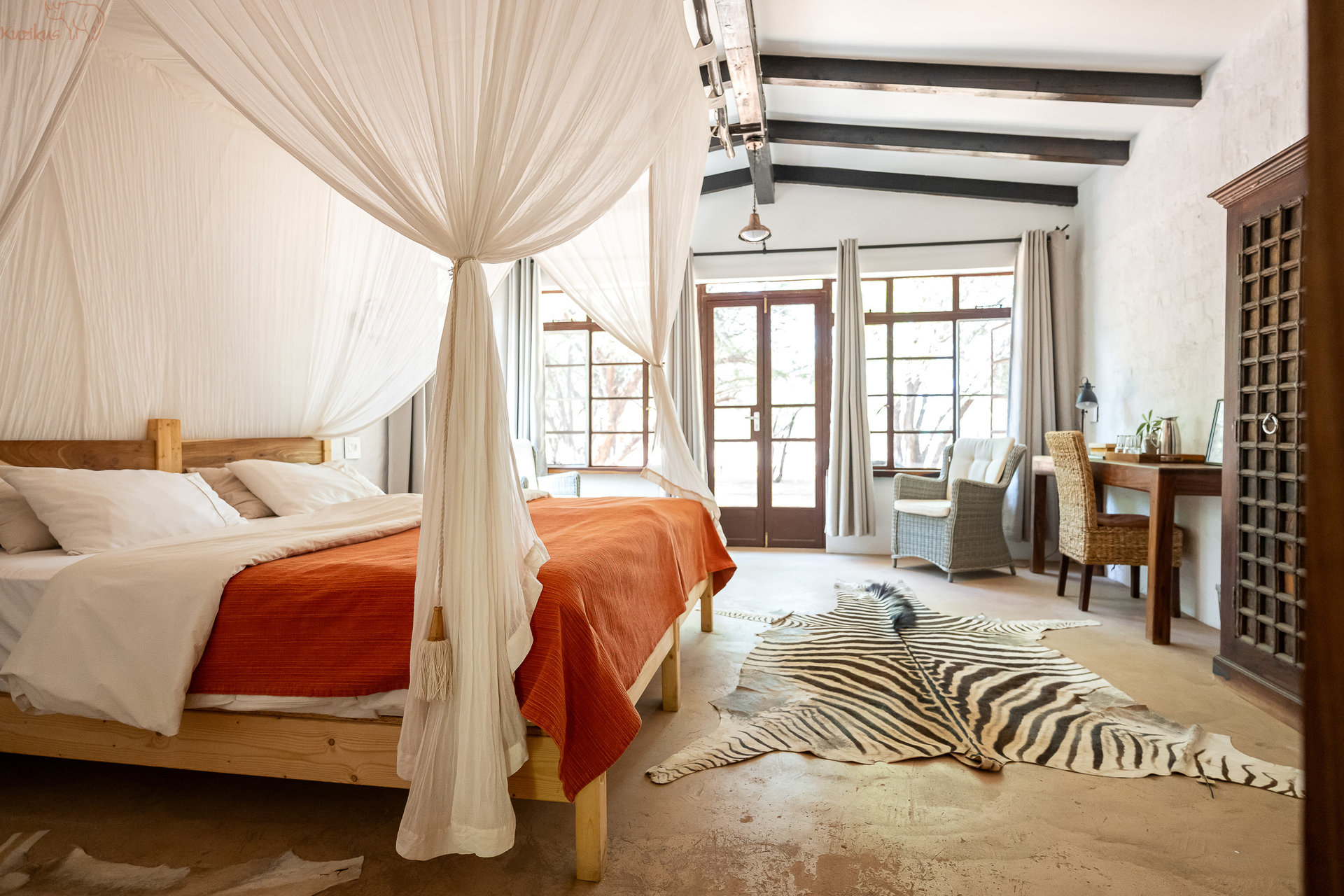
Kuzikus never welcomes more than 15 guests at a time, staying in just seven rooms. This creates a peaceful, personal setting where you can truly settle in. That tranquillity gives you fresh energy to experience the Kalahari with all your senses and understand it in depth. Staying here means sharing the team’s table, hearing about real figures and setbacks, and contributing directly to the national black rhino conservation programme with every visit.
The experiences are as varied as nature itself: following fresh rhino tracks on foot, riding in an open vintage vehicle at sunset or exploring the thornbush savannah on horseback. These active, exciting and moving moments become memories that stay with you long afterwards.
Kuzikus sees itself as an ecotourism destination. Guest numbers and group sizes are deliberately kept small to support gentle, sustainable tourism in the long term. This allows the team to look after each visitor personally and make your holiday flexible and relaxing.
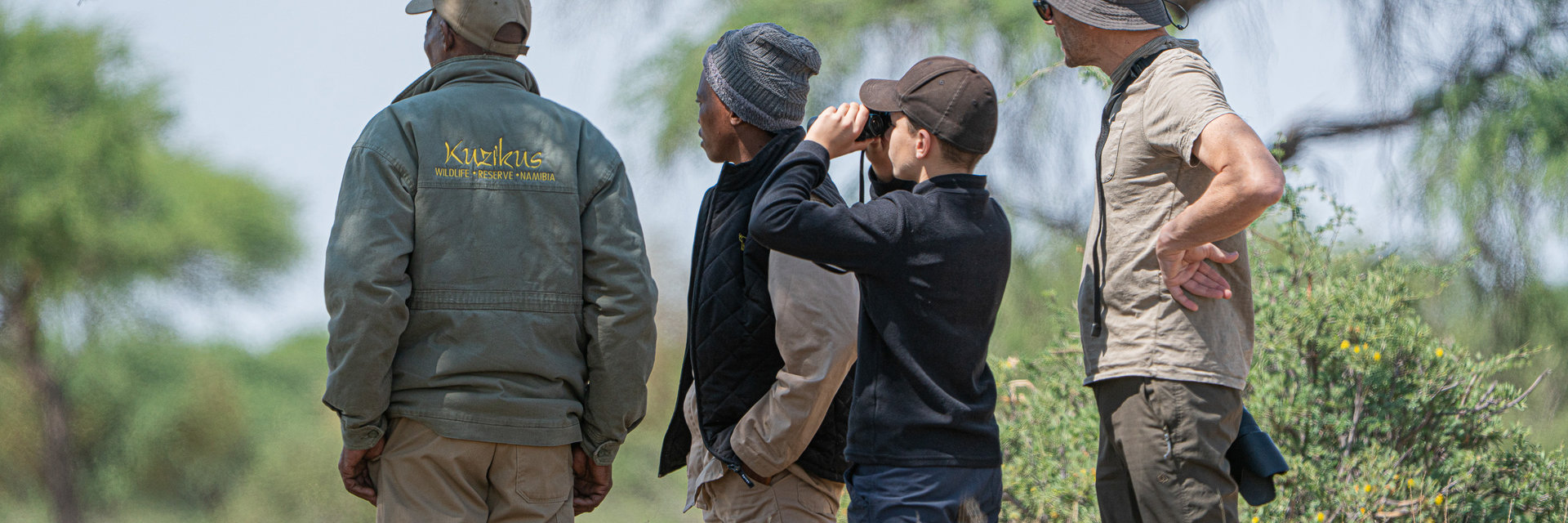
Individual experiences led by skilled trackers, scientists or conservation specialists, on foot, on horseback or in a classic vintage vehicle.
Discover different kinds of game drive with experienced rangers who keep wind, cover and safe distances in mind. Secluded hides beside the reserve’s waterholes also allow you to watch animals undisturbed for long periods, without the sound of an engine.
For a deeper understanding, join an ecology excursion with the owners themselves, both biologists, to learn what wildlife management involves, why sound botanical knowledge is essential and what birdlife can reveal about an ecosystem.


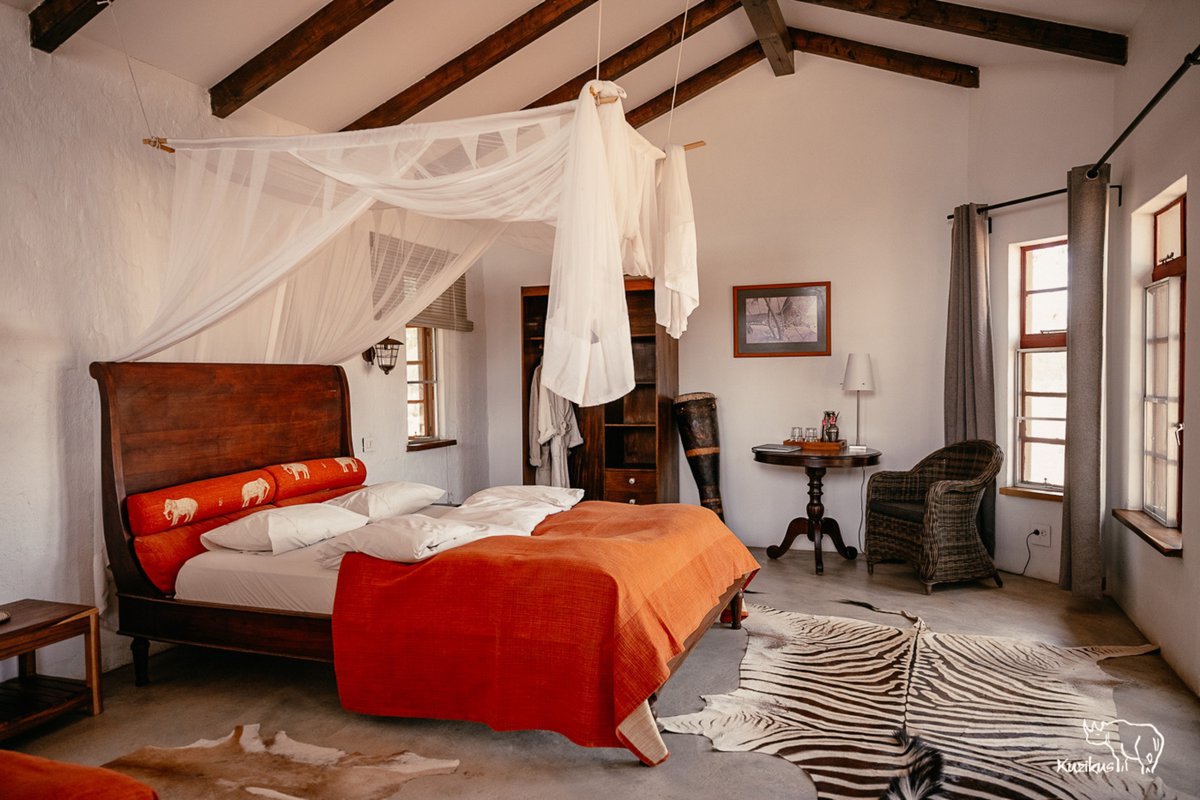
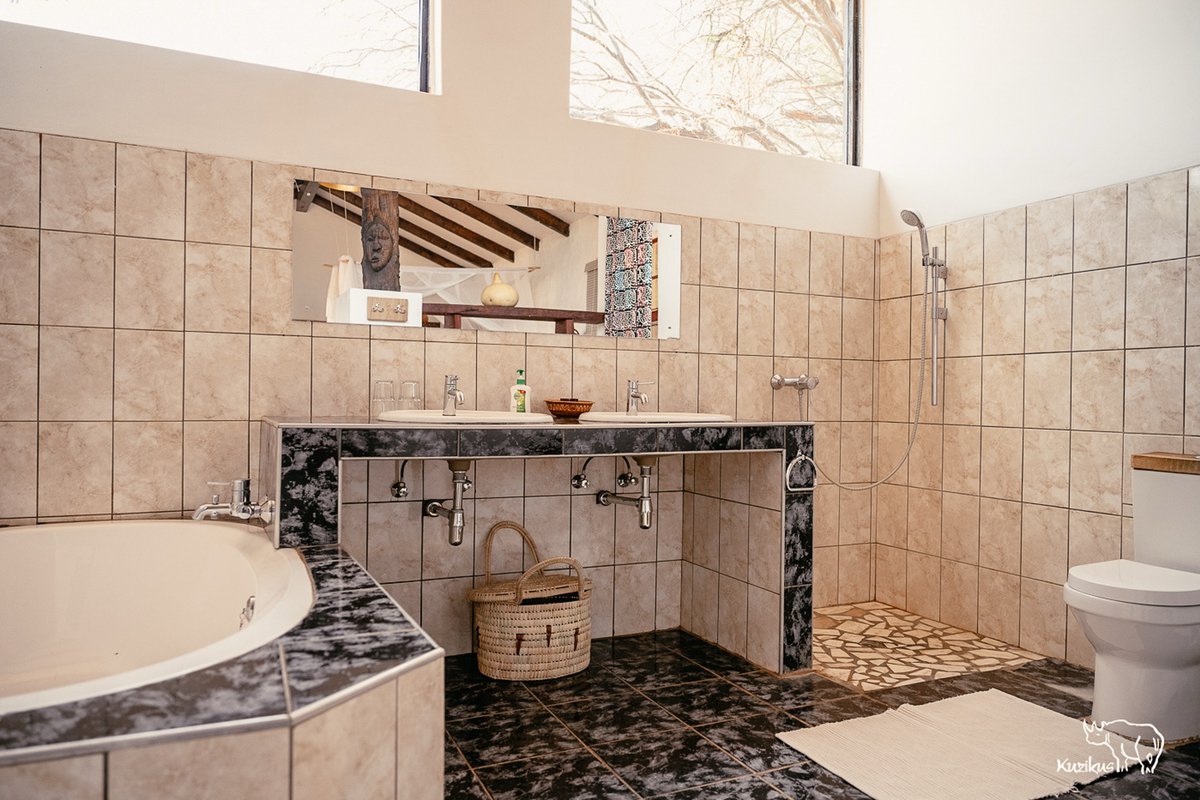
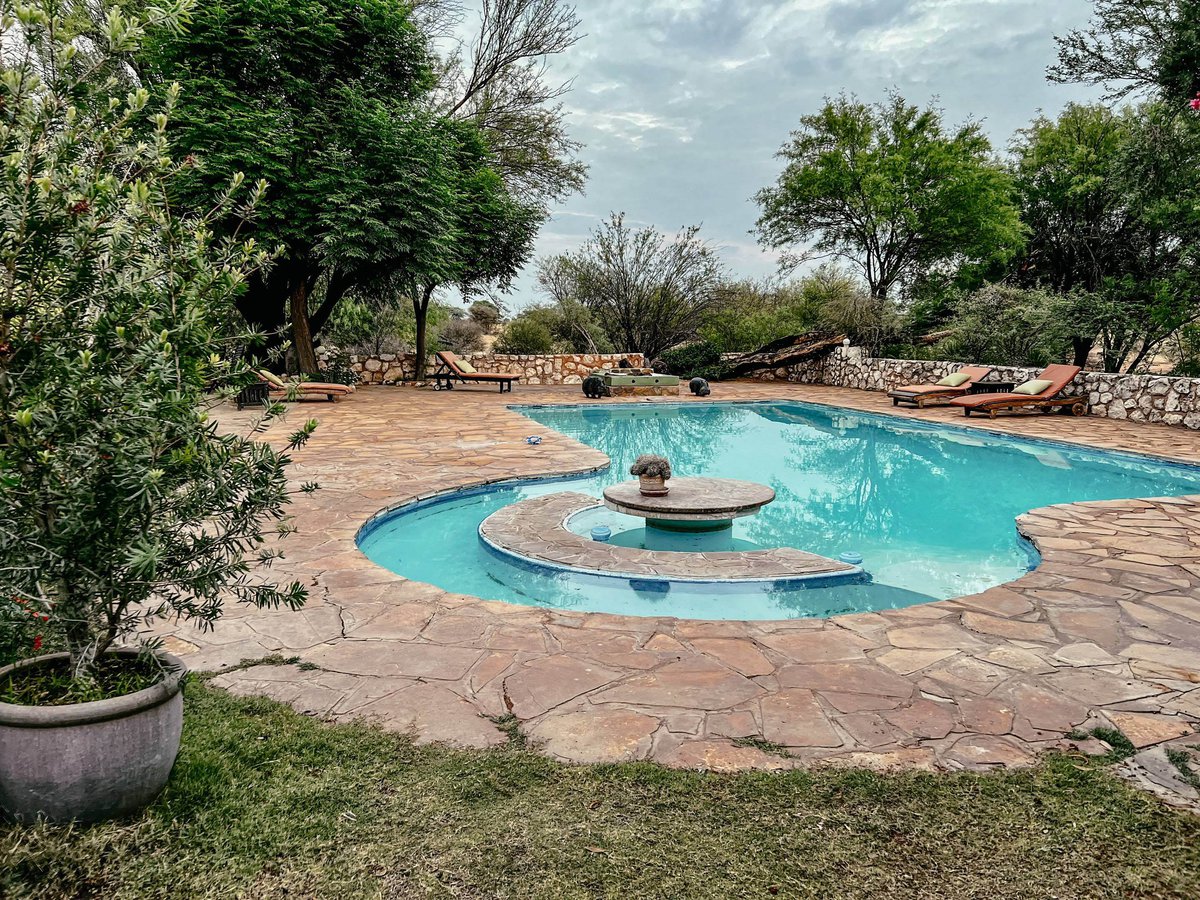
Boutique-style rooms with individual character, regional cuisine and our own game meat from sustainable hunting and farming: you stay in the heart of the reserve, close to waterholes and beneath a star-filled night sky. Kuzikus deliberately keeps guest numbers low, with just seven rooms. For a more rustic experience, Kalahari Bush Camp offers three freestanding safari tents with full access to all lodge activities.
Volunteers and scientists stay even closer to the action, in comfortable safari tents at the Research Camp near the lodge. Our youngest guests are well catered for too: the world’s largest sandy playground lies on the doorstep, and encounters with the farm animals bring enjoyment to the day for children and adults alike.
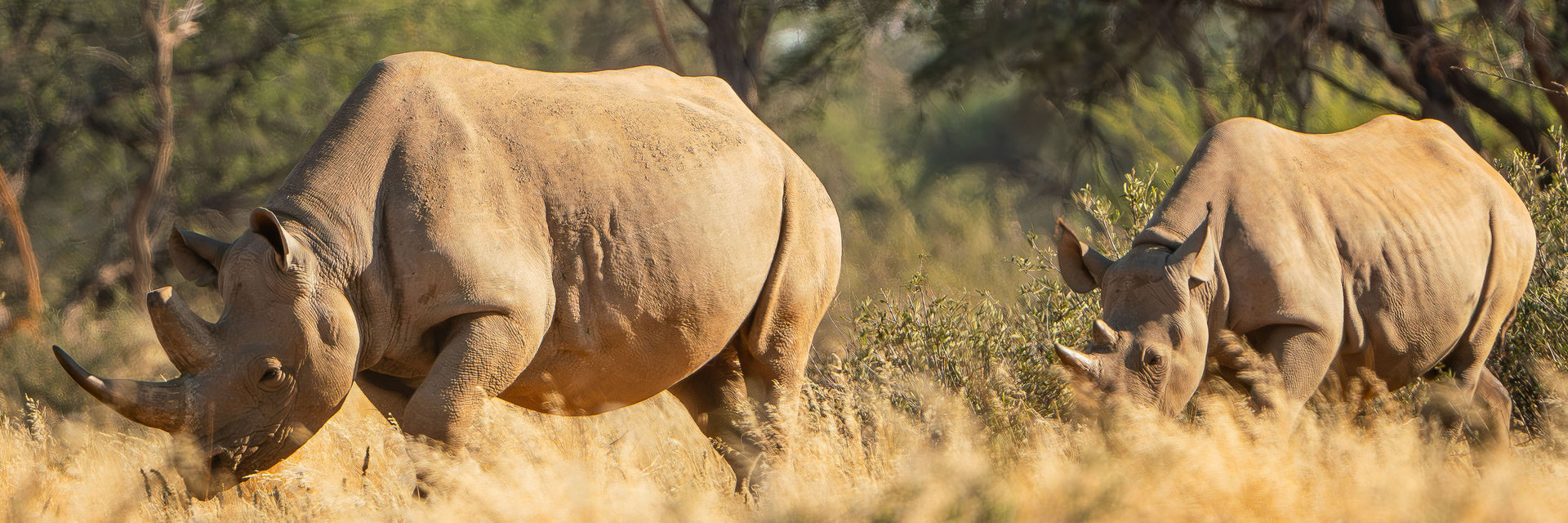
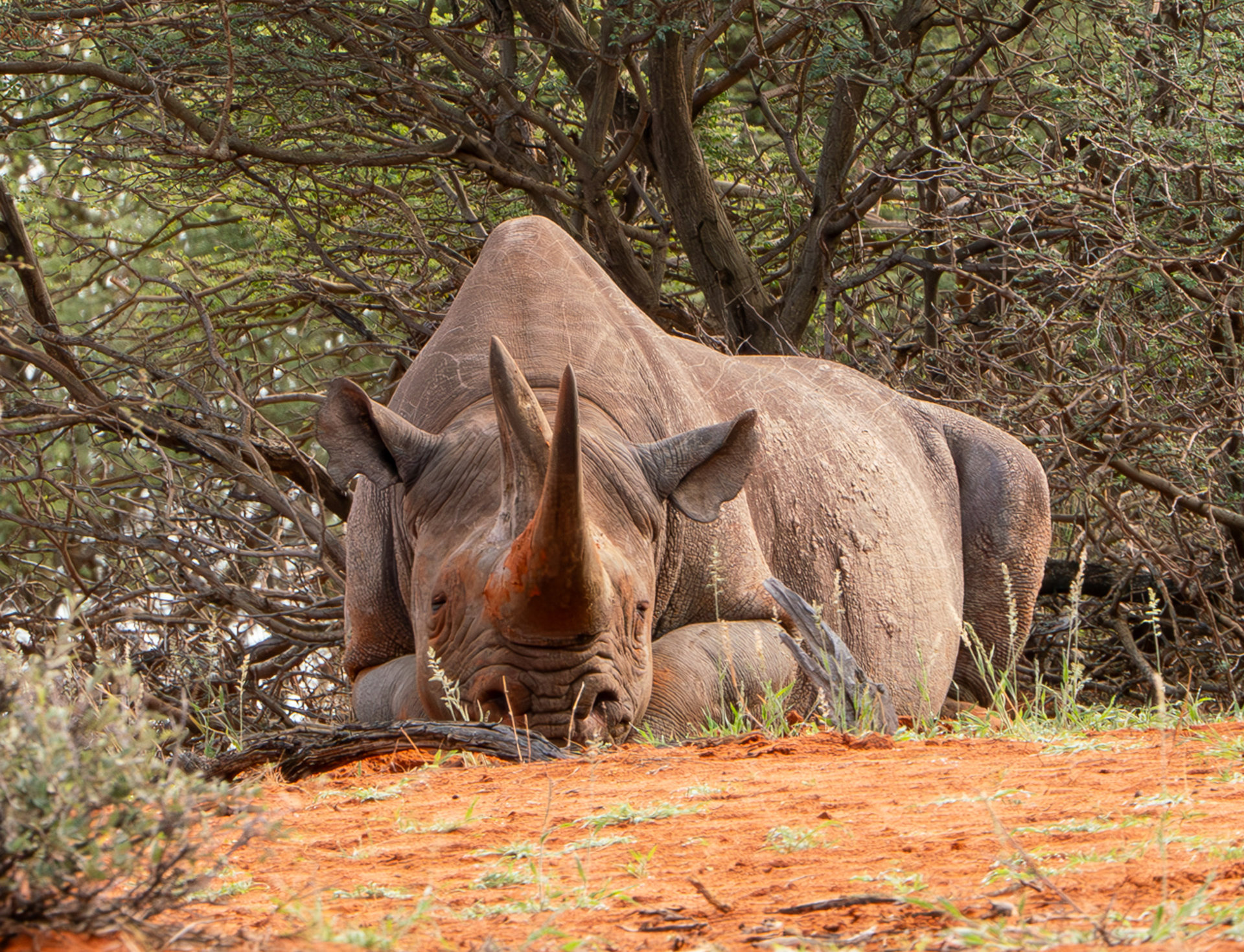
Black rhino conservation is at the heart of Kuzikus. At the beginning of the 20th century, around 400,000 animals still lived in Africa; by 1994, the population had fallen by more than 98%. In 1997, Kuzikus became one of the first private reserves to take in state-owned rhinos through the national Black Rhino Custodianship Programme. Since then, 23 rhinos have been born at Kuzikus. Namibia is now home to over 90% of the world’s wild black rhinos, and every calf born here is highly significant for the survival of the species.
Rangers and Khwe San trackers monitor the animals every day, using footprint identification, drones, camera traps and traditional tracking skills. By visiting, you actively help preserve the Kalahari’s native rhino and the fragile ecosystem of this unique landscape.
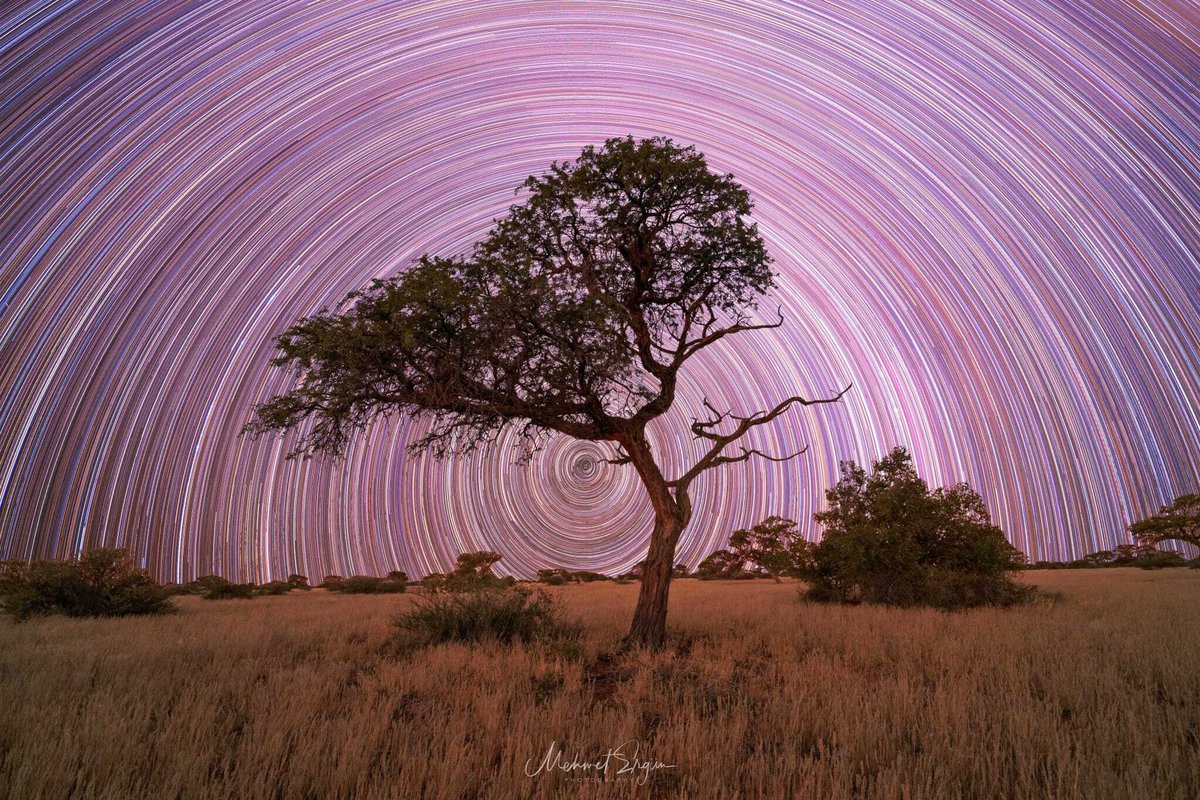
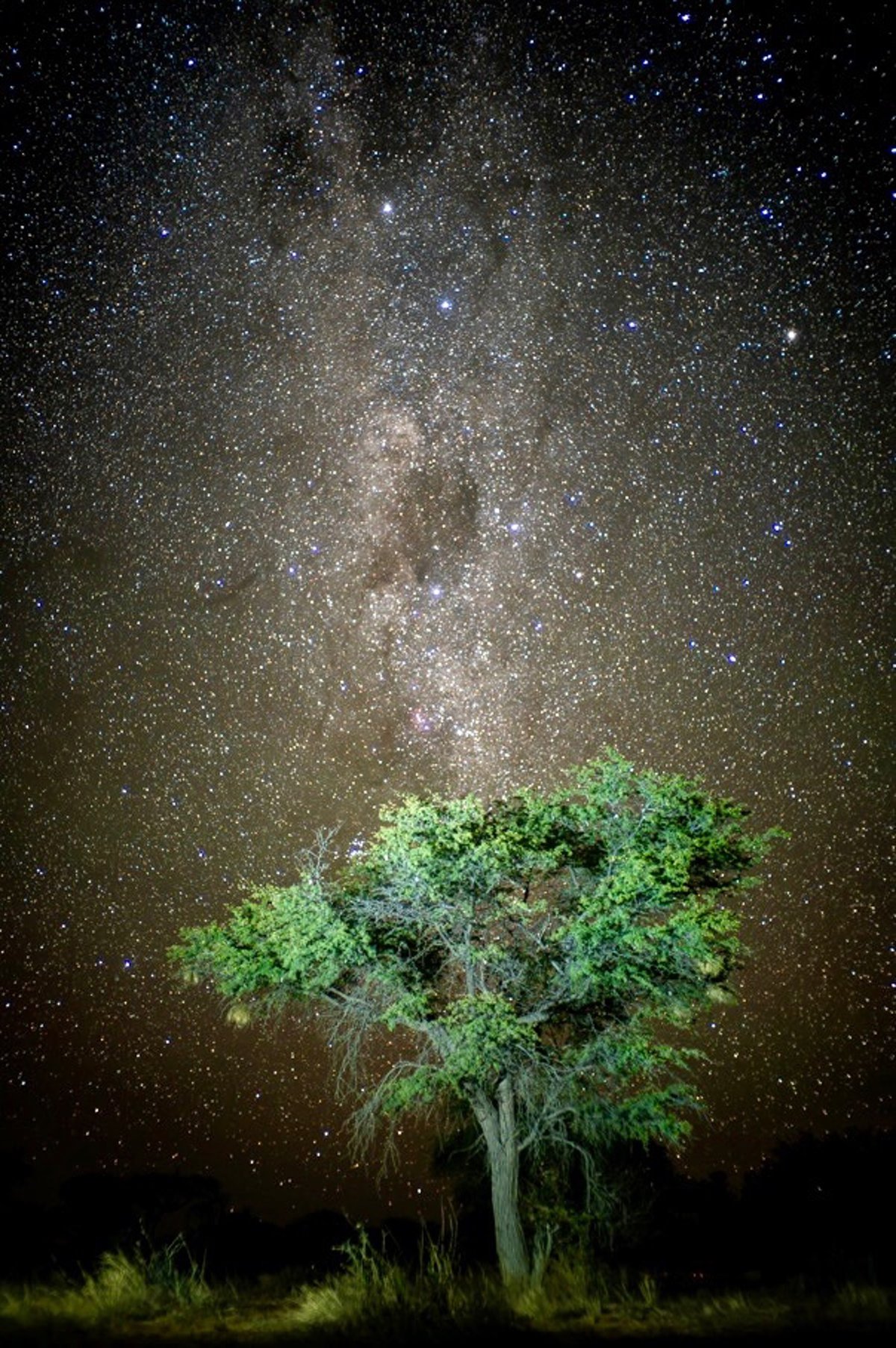
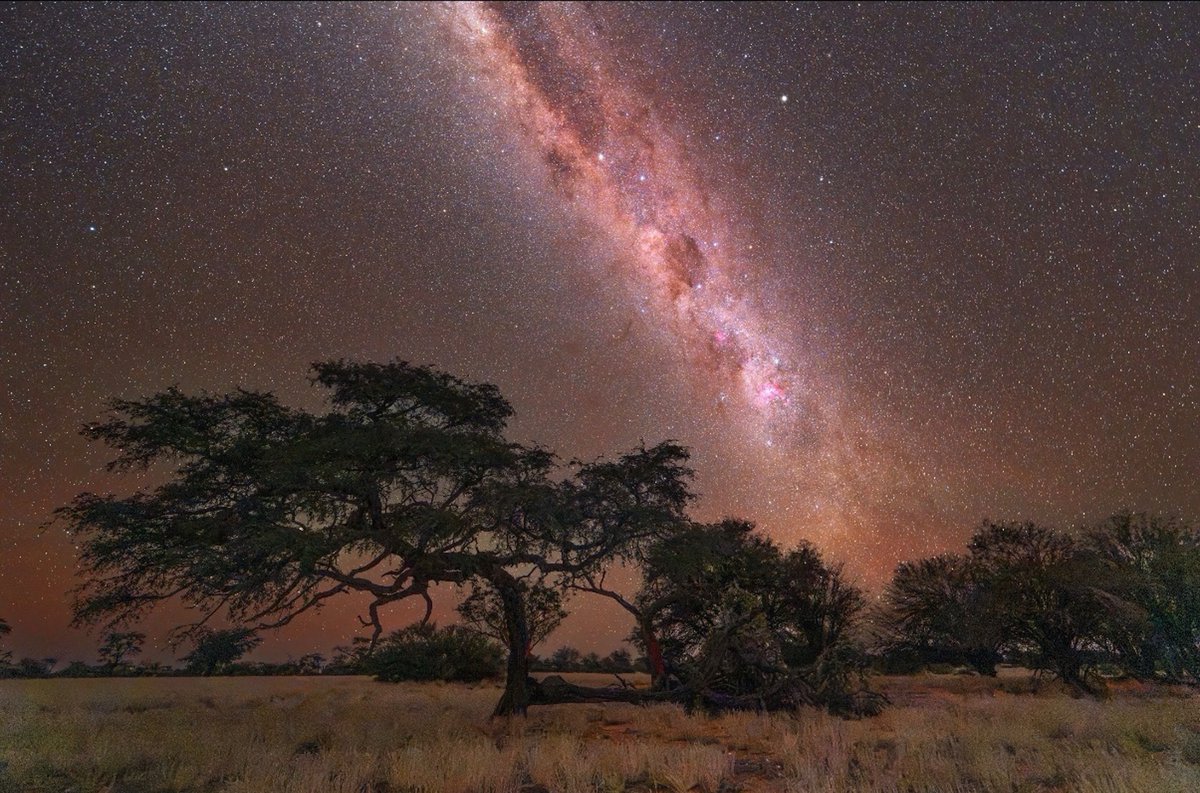
Far from light pollution, the Kalahari reveals a night sky unlike anything most people have ever seen. Since June 2026, Kuzikus has offered purpose-built facilities: seven permanent astronomy platforms with power, Ethernet and wind protection, plus equipment hire and rooms just around 100 metres away. You can already watch the current sky above Kuzikus live through the reserve’s own AllSky camera.



Stay connected with us: our newsletter keeps you close to the Kalahari, even while your next trip is still some way off. Be the first to receive new rhino stories, research insights and special moments from the reserve, straight to your inbox.

Stay connected with Kuzikus.
Opening the form loads Google reCAPTCHA to protect against automated subscriptions. Technical data, including your IP address, is transmitted to Google.
Unsubscribe at any time. Privacy notice
Questions about the newsletter? info@kuzikus-namibia.com


| ADDRESS Kuzikus Wildlife Reserve & Astronomy Guest Farm Berend & Dr. Friedrich F. Reinhard Private Bag 13112 9000 Windhoek, Namibia Call via WhatsApp: +26 4817 402 808 Email: info@kuzikus-namibia.com Privacy Legal notice Contact Terms and conditions | MORE INFORMATION Offers and rates Getting here FAQ Newsletter | MORE Astrophotography Press Kuzikus shop Horse riding Donate |