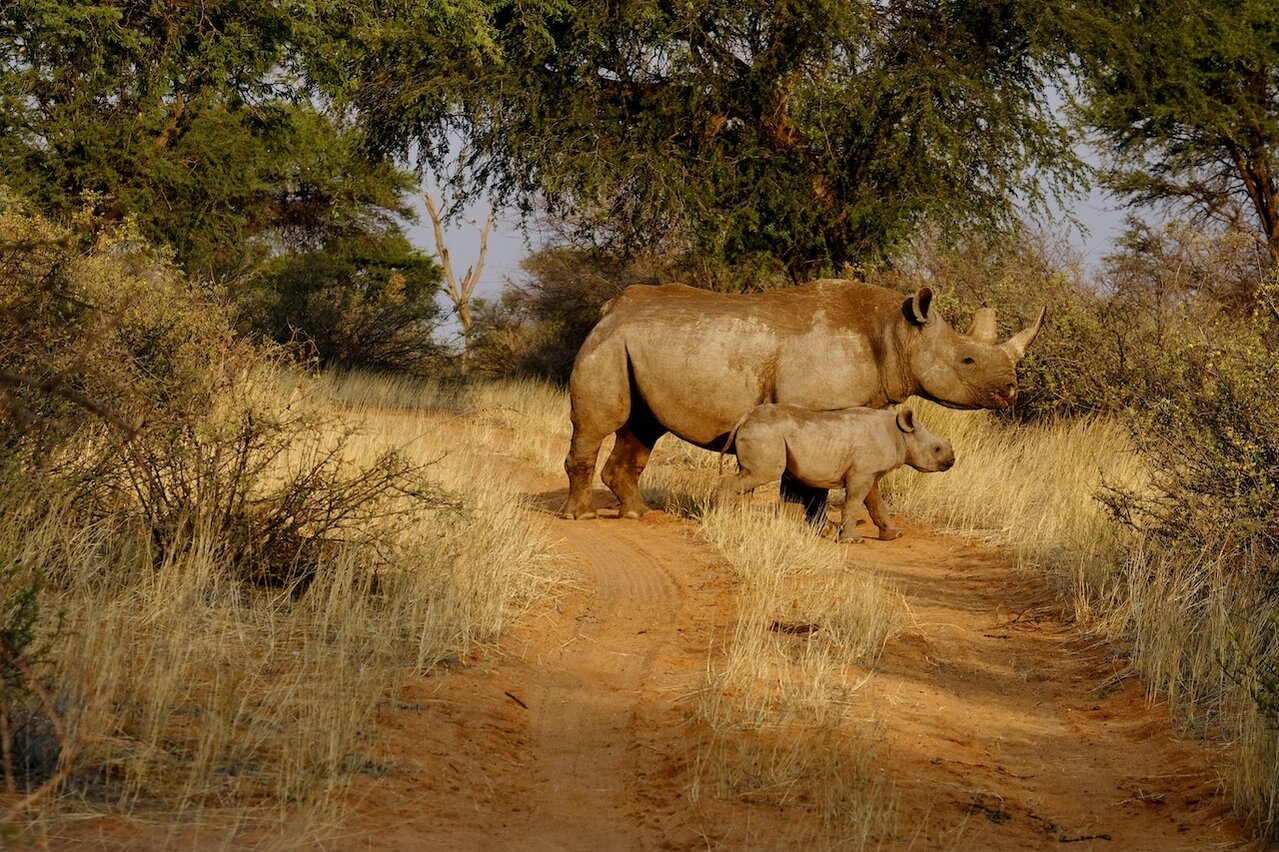
At the beginning of the 20th century, an estimated more than 100,000 black rhinos still roamed the African continent. By 1994, the population had fallen by over 98%, to just around 2,400 animals. Kuzikus was among the first private reserves to join this pilot project, giving the species a second chance outside state-run parks.
When people think of rhinos, they often picture a large, prehistoric-looking animal moving through the African wilderness. Rhinos are indeed among the oldest surviving large mammals on Earth. Their ancestors have existed for millions of years. Today, however, only five rhino species remain worldwide.
Three species live in Asia and have only one horn: the greater one-horned rhino (Indian rhino), the Javan rhino and the Sumatran rhino.
There are two African species: the white rhino and the black rhino. Both have two horns, but differ considerably in appearance, behaviour and way of life.
Despite their names, neither white nor black rhinos are white or black: both species are grey. The name “white rhino” probably arose from a misunderstanding of the Afrikaans word wyd (“wide”), which was intended to describe the animal’s broad mouth, not its skin colour. The black rhino received its English name simply as a counterpart to the “white” rhino.
The Difference Between White and Black Rhinos
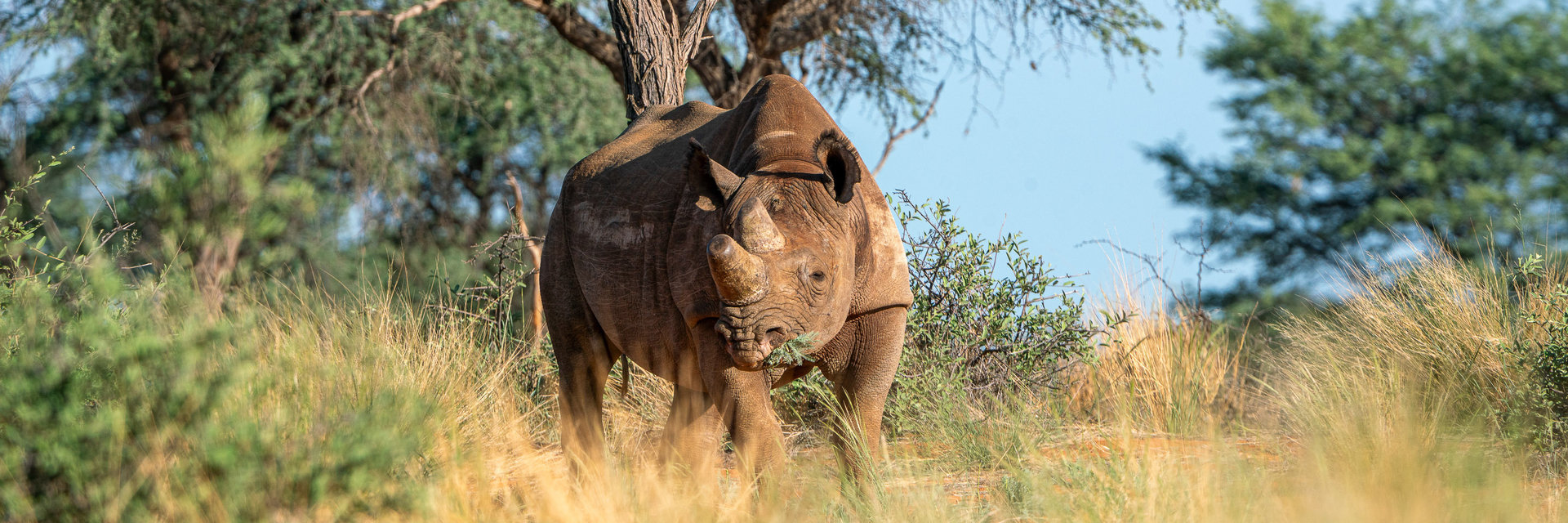
The easiest way to distinguish the two species is by the shape of their lips. The white rhino has a broad, rectangular mouth for grazing on short grass, while the black rhino has a distinctive hooked upper lip, almost like a small trunk, which it uses to browse selectively on leaves, shoots, bushes and thorn trees.
The white rhino is the larger of the two African species. It mainly lives on open grassland, feeds almost exclusively on grasses and tends to be more easy-going in its behaviour. Around 15,000 white rhinos remain in Africa today. The northern white rhino subspecies is now considered functionally extinct.
The black rhino is smaller, usually solitary and much harder to observe. Unlike the white rhino, it is regarded as easily provoked and dangerous, and is known in Africa as a symbol of untamed wilderness. It inhabits bush and savannah landscapes and feeds mainly on leaves, buds, twigs and shrubs. Only around 7,000 black rhinos remain worldwide today. In the 1970s, the population was estimated at around 70,000 animals, before intensive poaching and habitat loss caused a dramatic decline. Extensive conservation measures have since helped populations stabilise again in some regions.
Namibia: A Stronghold for the Black Rhino
The black rhino holds special significance for Namibia. The country is now home to the world’s largest wild population of the south-western black rhino (Diceros bicornis bicornis). This subspecies was once widespread across much of southern Africa, but hunting and poaching brought it close to extinction.
Decades of conservation work, effective protection and cooperation between the state, conservation organisations and private protected areas have made Namibia one of the most important strongholds for this threatened species.
Black Rhino Conservation at Kuzikus Wildlife Reserve
Protecting the black rhino has been central to conservation at Kuzikus Wildlife Reserve since 1997. Kuzikus is one of the 6 private protected areas with which Namibia’s Black Rhino Custodianship Programme was established and entered its pilot phase in the 90s.
Today, almost 30 selected private reserves work with the Namibian government under this unique programme to provide safe habitats for black rhinos and establish new breeding populations. More than twenty rhino calves have been born at Kuzikus since the first animals arrived. Every calf contributes to the long-term survival of Namibia’s black rhino population.
Why the Black Rhino Matters to the Ecosystem
The black rhino is far more than a rare species. As a large herbivore, it shapes the vegetation of its habitats. By browsing on shrubs and woody plants, it influences the structure of the landscape and creates habitats for many other animals and plants.
Protecting black rhinos also means protecting large, near-natural ecosystems. Countless other species benefit, including birds, insects, reptiles, antelopes and many other wild animals.
Why Rhinos Are Poached
Poaching is the greatest threat to the black rhino. Rhinos are not hunted for their meat, nor do they pose a threat to people or livestock. Poachers are almost exclusively interested in the horn.
Rhino horn is made of keratin, the same material as human hair and fingernails. Yet it is one of the world’s most valuable illegally traded wildlife products. Black-market prices of US$35,000 to over US$60,000 per kilogram are frequently quoted.
Demand comes mainly from parts of Asia, particularly China and Vietnam. Rhino horn is sometimes used there in traditional medicine, despite the lack of scientific evidence for any medicinal effect. In some circles, it is also regarded as a prestige item and status symbol.
This demand has brought a species that survived millions of years of natural change to the brink of extinction within just a few decades.
Hope for the Future
Few animals embody wild Africa as powerfully as the black rhino. Encountering a rhino on foot or from horseback is one of the most extraordinary nature experiences Namibia has to offer.
Every rhino calf born at Kuzikus is a conservation success and a sign that long-term commitment makes a difference. In a world where wilderness is disappearing in many places, every healthy rhino population represents hope and the possibility of successfully protecting threatened species.
For us at Kuzikus, the black rhino is much more than a rare animal. It is a symbol of resilience, successful conservation and our responsibility towards future generations.
Conservation at Kuzikus rests on five pillars combining science, traditional knowledge and daily fieldwork:
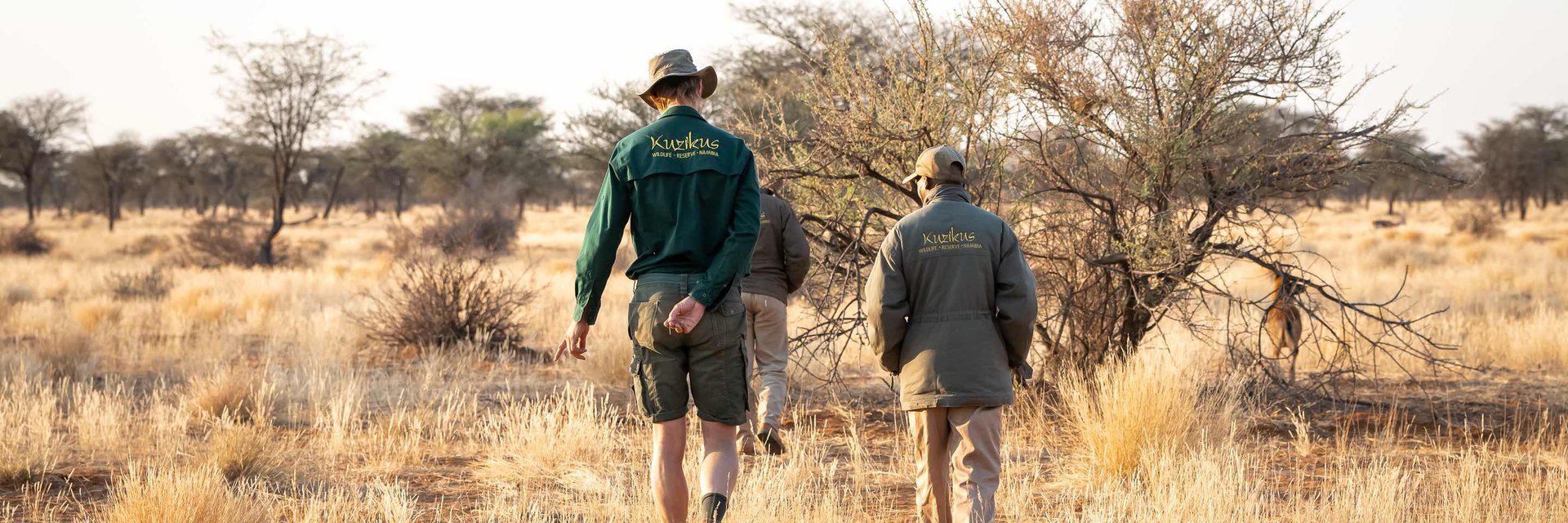
However, no technology can replace a daily presence on the ground: Patrols using fast 600 mm lenses document each animal’s development in remarkable detail, and guests can join us on these very walks.
Your Role in the Conservation Project
Namibia is now home to over 90% of the world’s remaining wild black rhinos. Within this network, Kuzikus serves as a source population: the young born and raised here, well protected from poaching, are of great importance to the survival of the entire species.
There have already been 24 rhino births at Kuzikus. Visiting Kuzikus supports this project directly and substantially, and gives you the rare opportunity to get truly close to these animals within the conservation programme.
Every contribution goes directly into this work, whether through a visit, rhino sponsorship or a donation. There is no bureaucratic detour: your support reaches the place where it is needed.
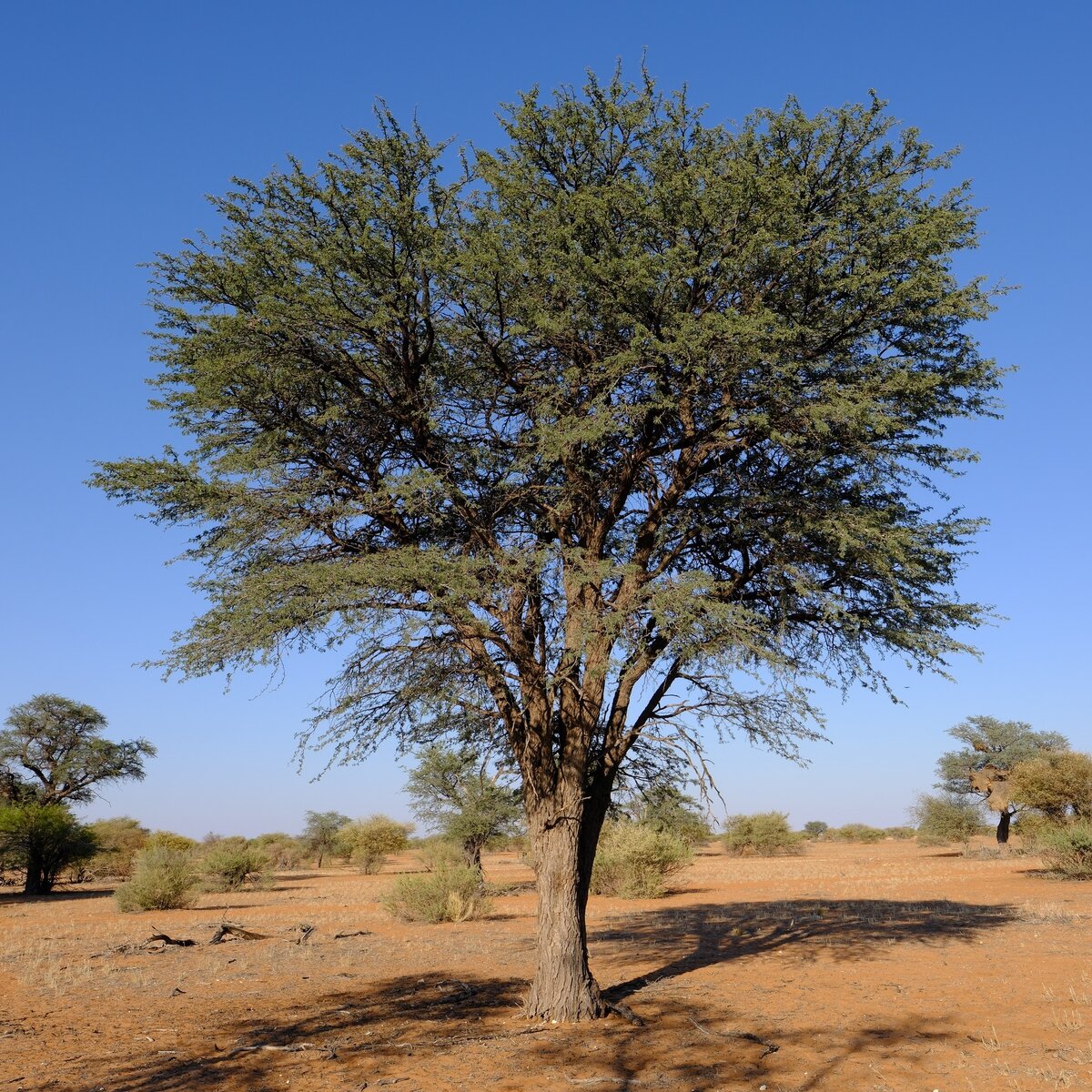
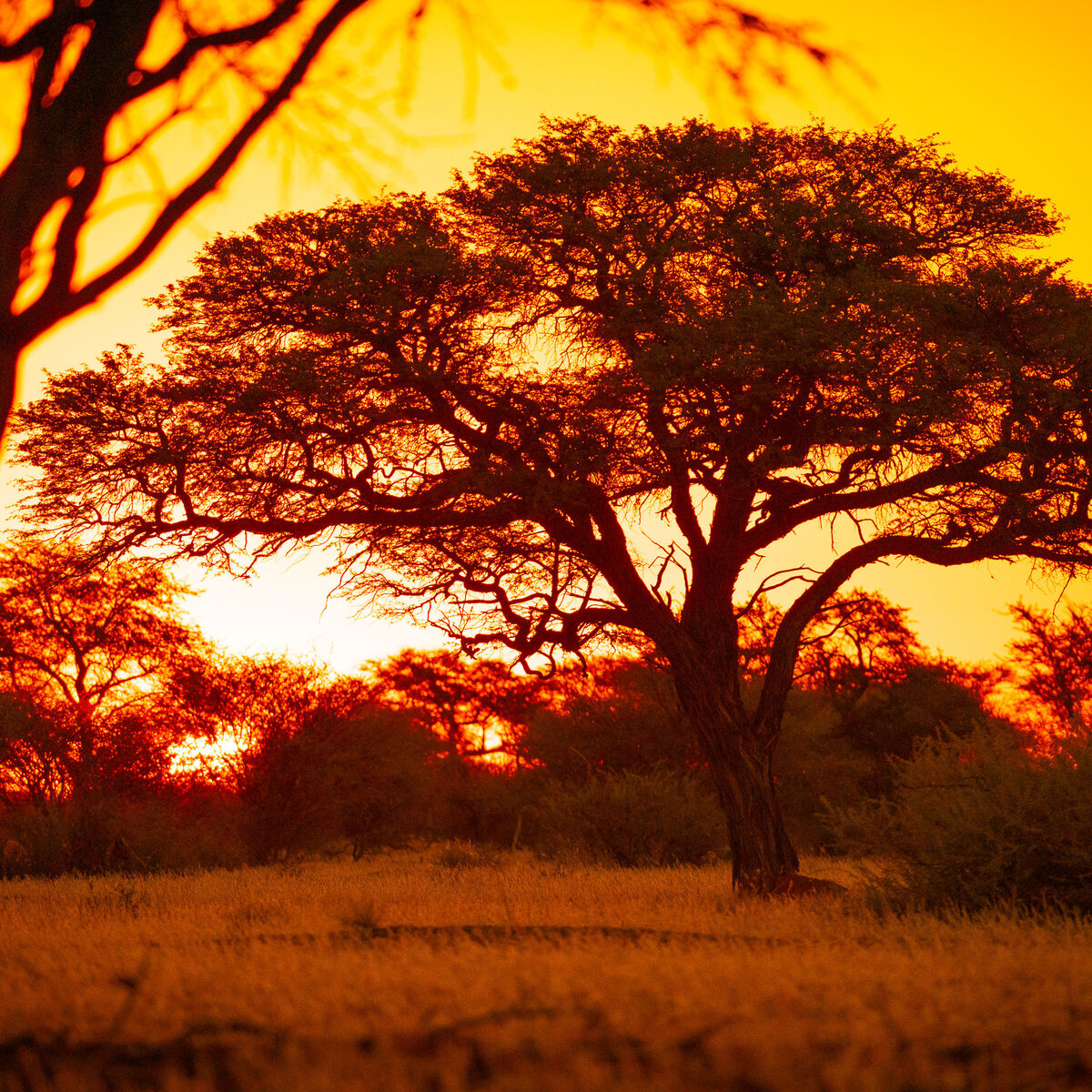
Alongside the black rhino, a second, quiet umbrella species is central to our conservation work: the camel thorn tree (Vachellia erioloba). It gives Kuzikus its name, meaning “white thorn tree” in the Nama language. It provides food and shelter for countless Kalahari inhabitants and plays an important role in the ecosystem’s carbon cycle. Over the years, our ecological restoration measures have led to a marked increase in this and other plant species, with effects reaching far beyond our own land.
The Kuzikus Tree Project makes this protection tangible. By becoming a sponsor, you take responsibility for an individual, mapped camel thorn tree in our reserve, protecting not only the tree itself but also its immediate surroundings as a stable, long-term habitat for many animal species. The project combines active wilderness conservation with transparency: each tree is mapped and documented, with a personalised certificate making your sponsorship concrete and traceable. Proceeds go directly towards preserving our reserve of around 10,000 hectares of savannah, limestone pans and dunes, a habitat for mammals, birds and reptiles alike.
You can sponsor a camel thorn tree directly through the website, a straightforward way to support this work. If you would like to experience the Kalahari’s plant life for yourself, the botany excursion is an ideal introduction. The scientific mapping behind tree conservation is carried out through the Kuzikus Mapping Project.
Our wildlife management centres on Kuzikus’s two charismatic umbrella species: the camel thorn tree and the black rhino. Where apex predators have become scarce because of neighbouring agriculture, we work closely with specialists to move wildlife between reserves and maintain the ecological balance.
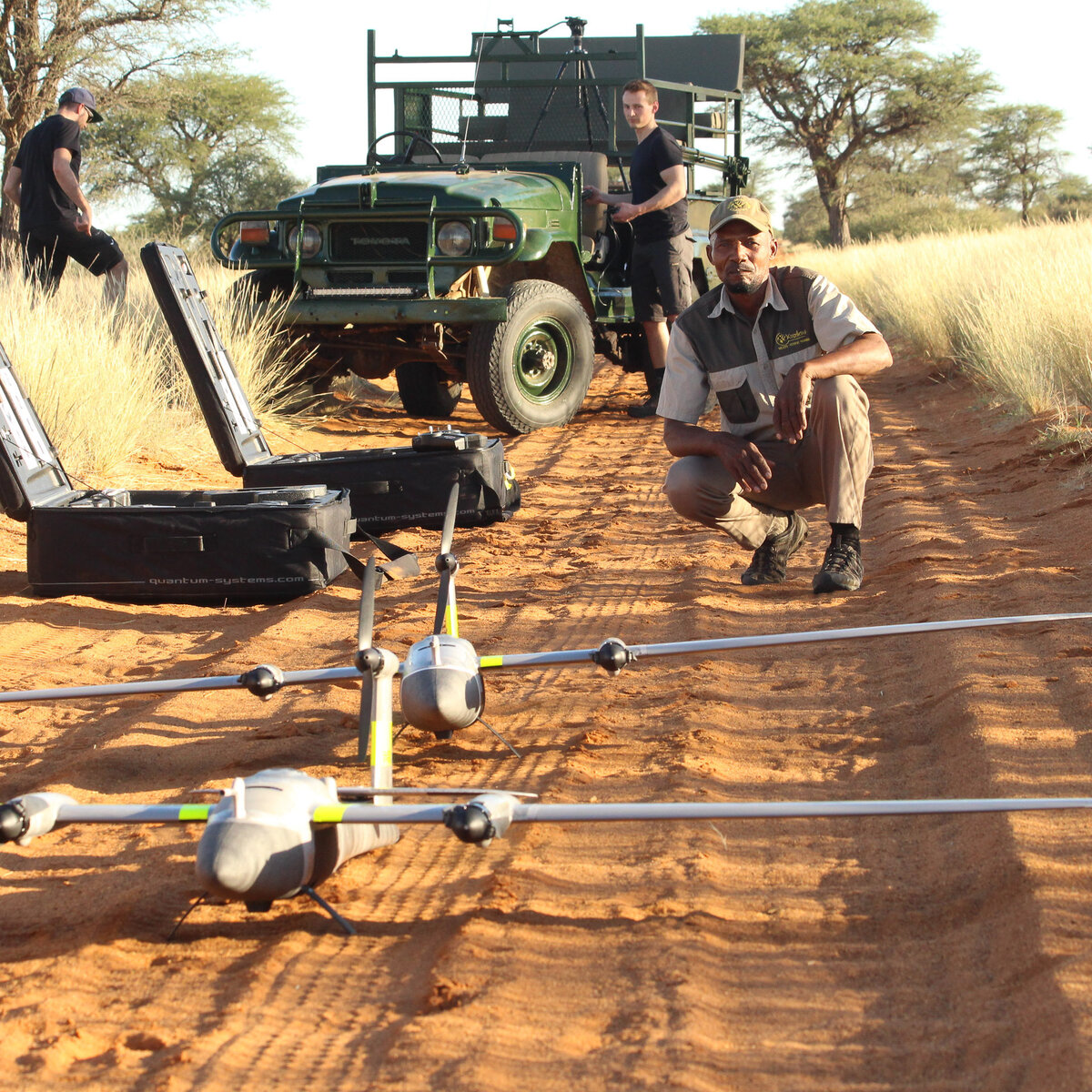
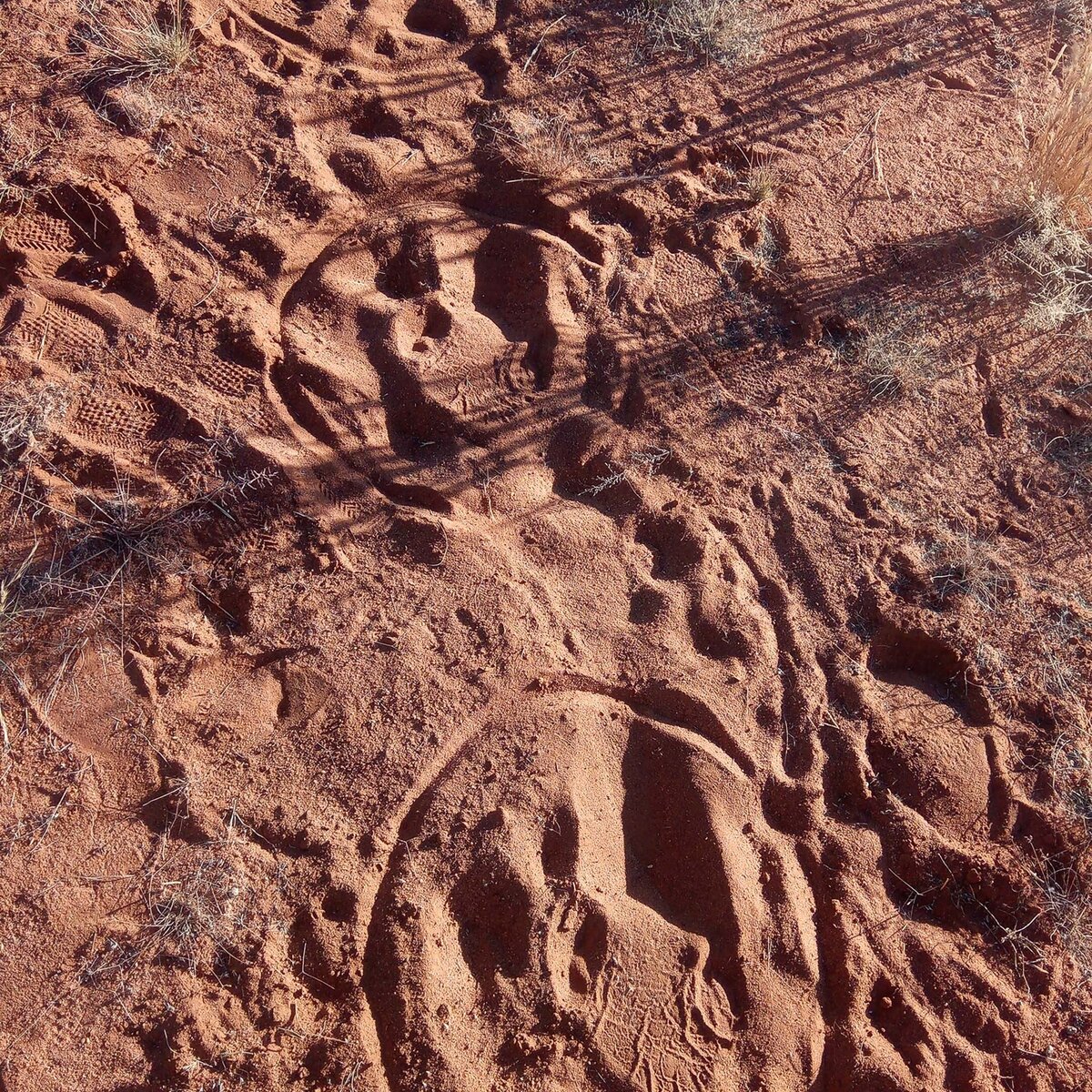
Vegetation monitoring using satellite data and AI, habitat analyses using GPS data and aerial imagery, and biodiversity research directly inform our decisions. Drones, artificial intelligence and Footprint Identification Technology (FIT) enable non-invasive monitoring. The Kuzikus Mapping Project and WILDDRONE provide high-resolution drone images and computer-vision analyses for detailed surveys of plant and animal life.
Hunting was once part of land use at Kuzikus. Today it is strictly regulated and serves only the ecological balance. There is no trophy hunting: only old animals that no longer reproduce are selectively hunted for population control and meat, always according to ethical principles and with respect for the animal. The entire animal is used: meat, hide and bones.
In the long term, our vision of a Kalahari without fences aims to involve neighbouring farmers and restore biodiversity to agricultural landscapes, combining conservation and production goals within a self-sustaining, profitable framework.
For a behind-the-scenes look at this modern approach to wildlife management, the wildlife management tour offers exclusive insights shared personally by the two owners.
Alongside the two umbrella species, Kuzikus helps protect other groups of animals and plants:
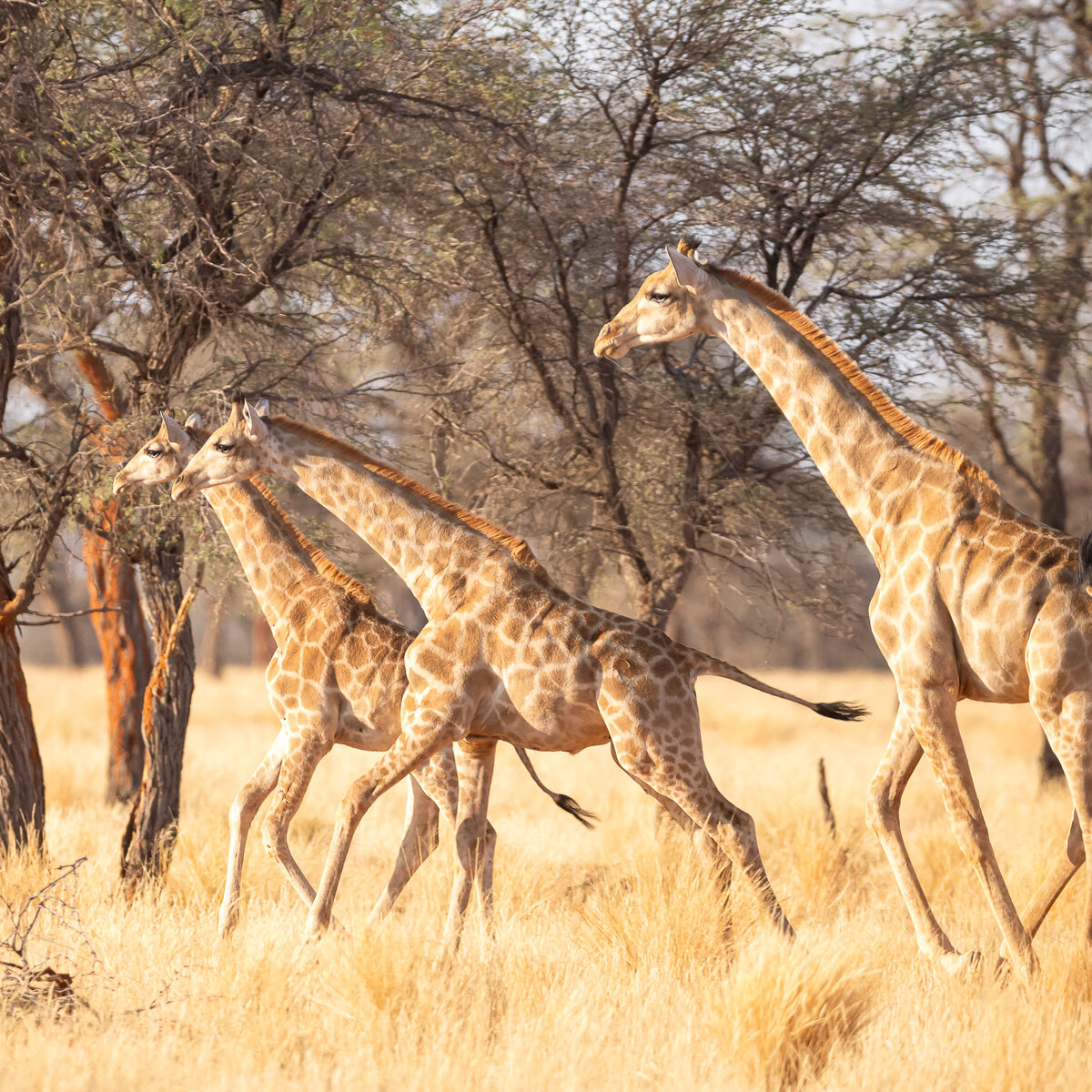
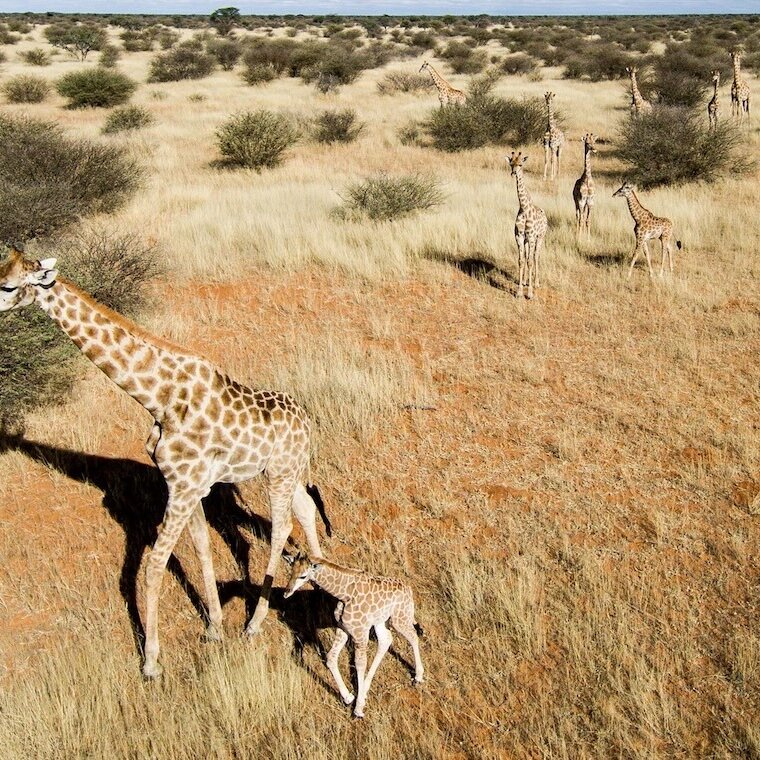
Giraffe project: giraffes move freely throughout the reserve and provide visible evidence of the success of our ecological restoration work. You can learn more about their habitat on the Kalahari Wilderness page.
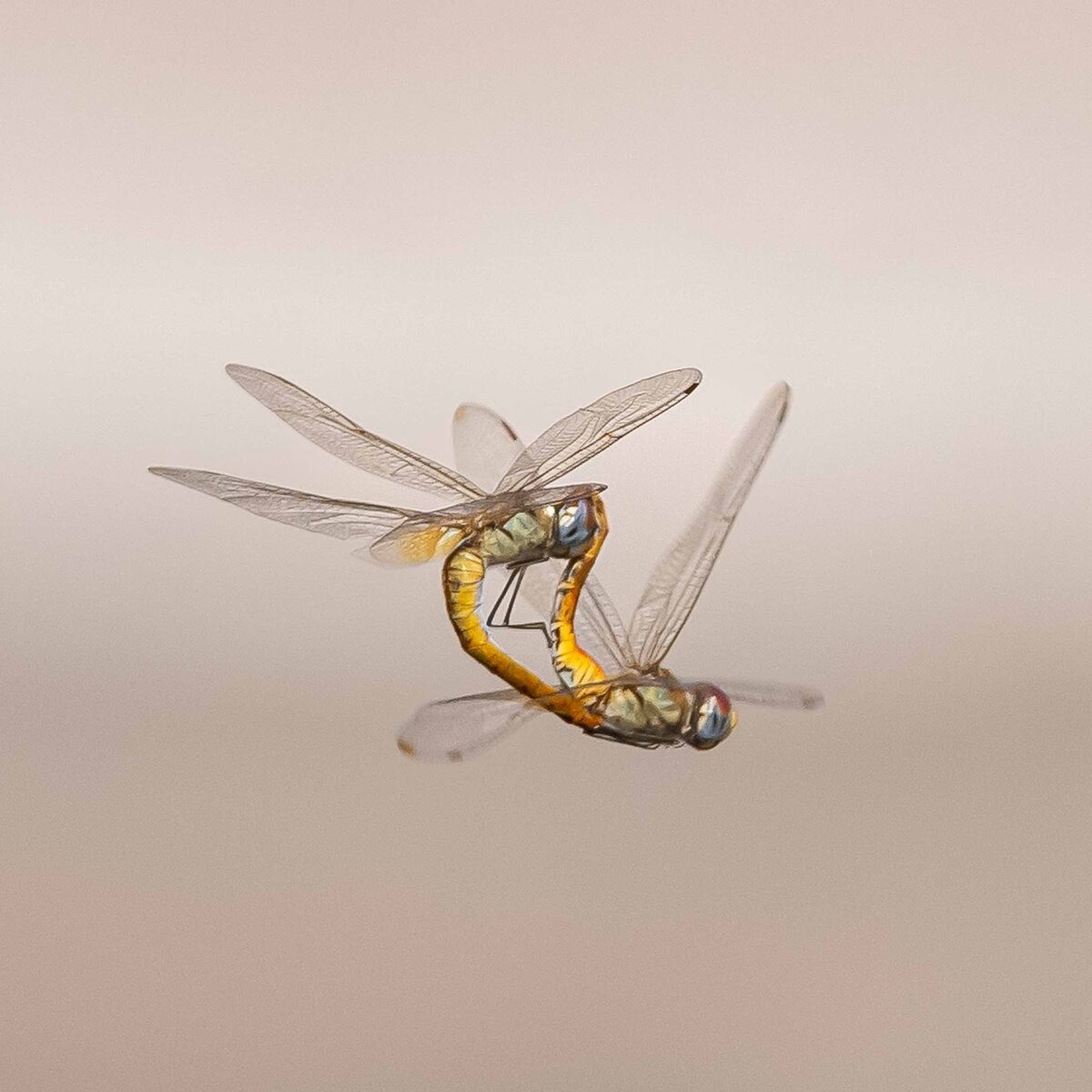
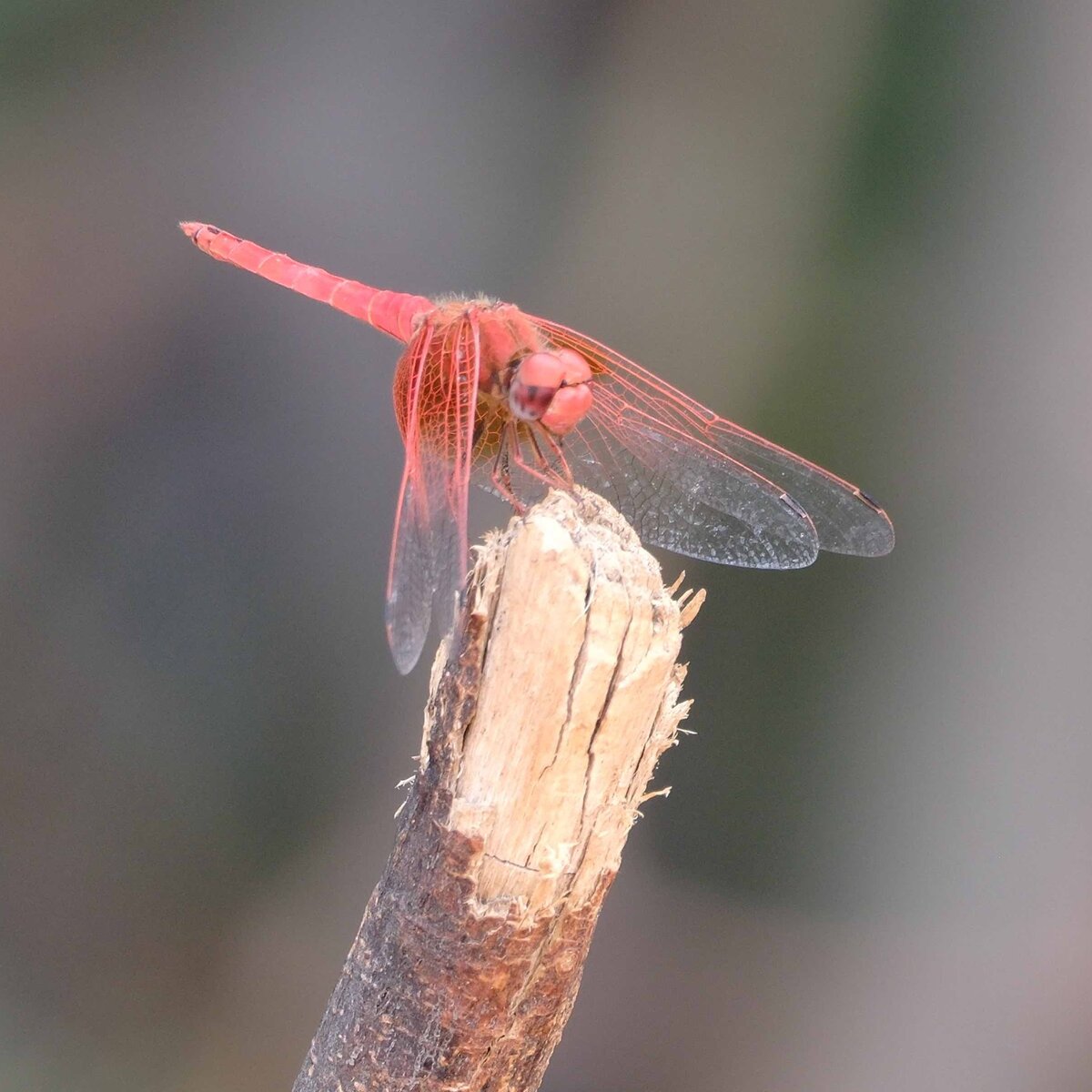
Insect diversity: A rich diversity of insects is an important and often underestimated part of a healthy ecosystem. Tours with our biologists and Khwe San trackers offer a close-up introduction.