10,377 hectares of habitat for over 3,000 large animals and 120 bird species
Kuzikus lies in one of the most sparsely populated regions on Earth: around 10,377 hectares of open grassland, dense thornbush savannah, gentle sand dunes and seasonal waterholes. The name “Kuzikus” comes from the Nama language and means “white thorn tree”, after the camel thorn trees (Acacia karroo) lining the reserve’s limestone pans.
The black rhino stands at the centre of this living ecosystem. As the most threatened and most intensively protected species at Kuzikus, its protection is at the heart of all our conservation work.
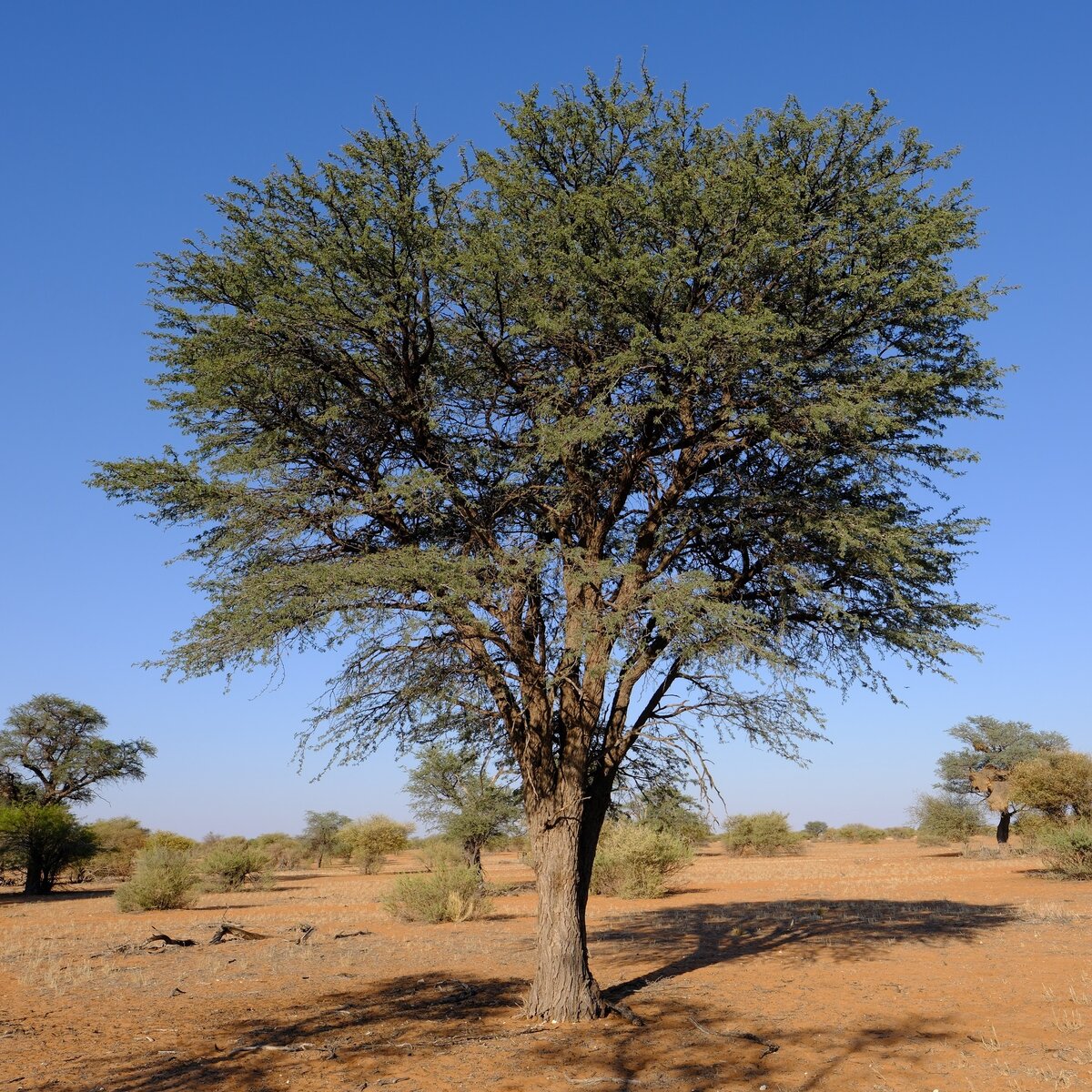
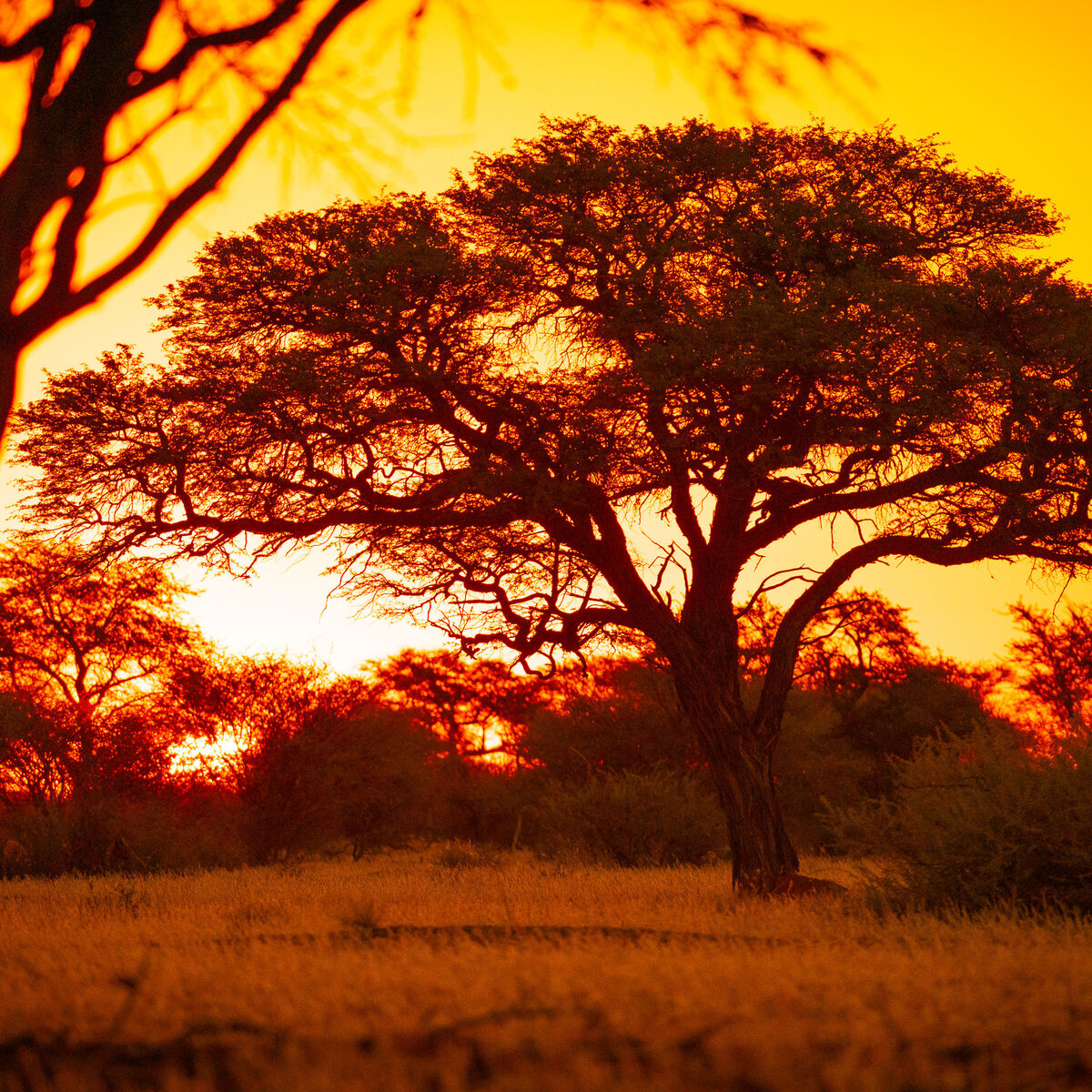
Alongside the black rhino, camel thorn trees are the reserve’s second key umbrella species: much of the wider ecosystem depends on them. Various other acacia species, hardy grasses and succulents are also perfectly adapted to the Kalahari’s dry conditions. You can learn more about the camel thorn tree’s role in our conservation approach and tree sponsorship under Conservation Projects.
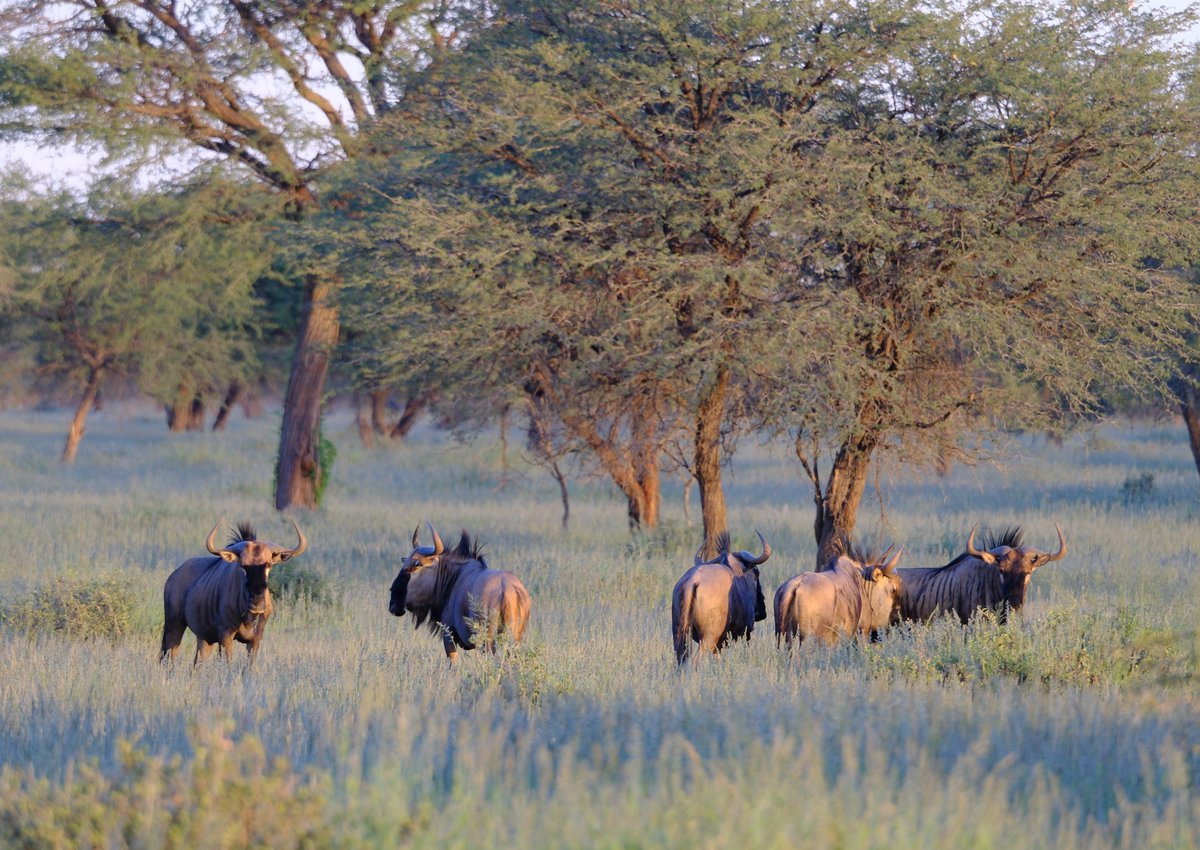
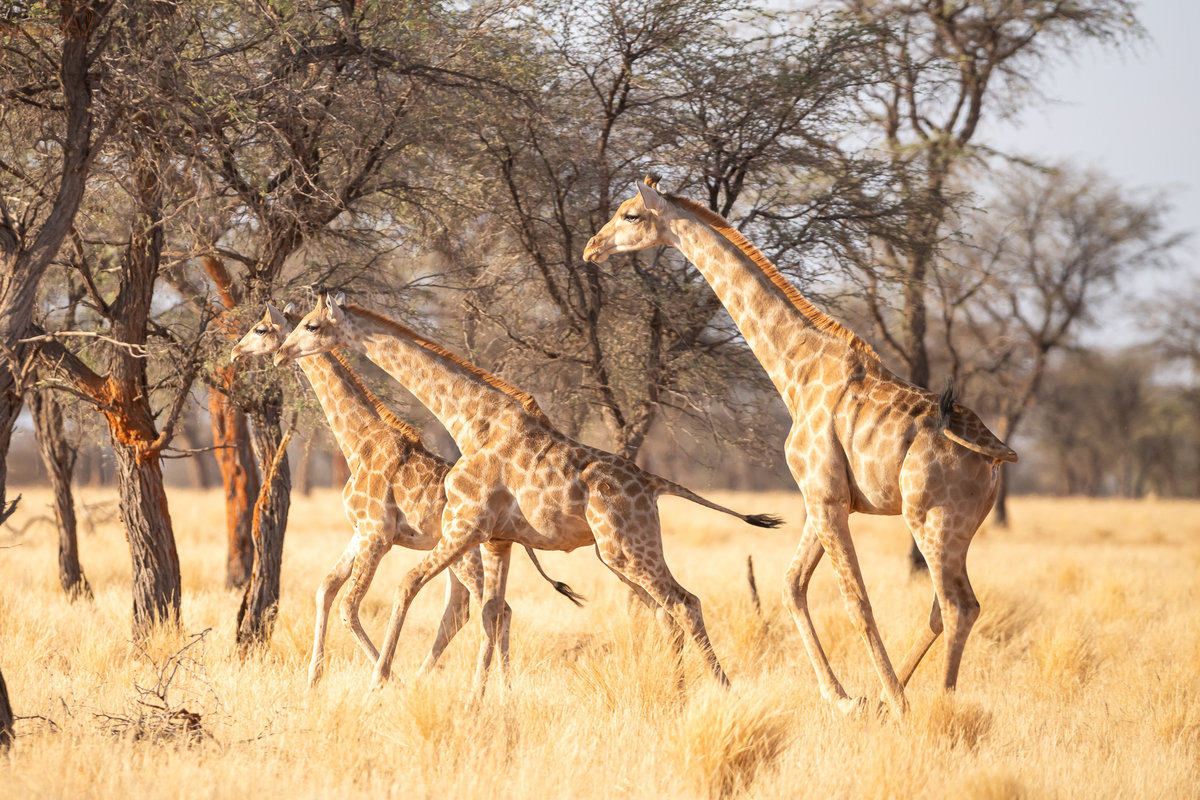
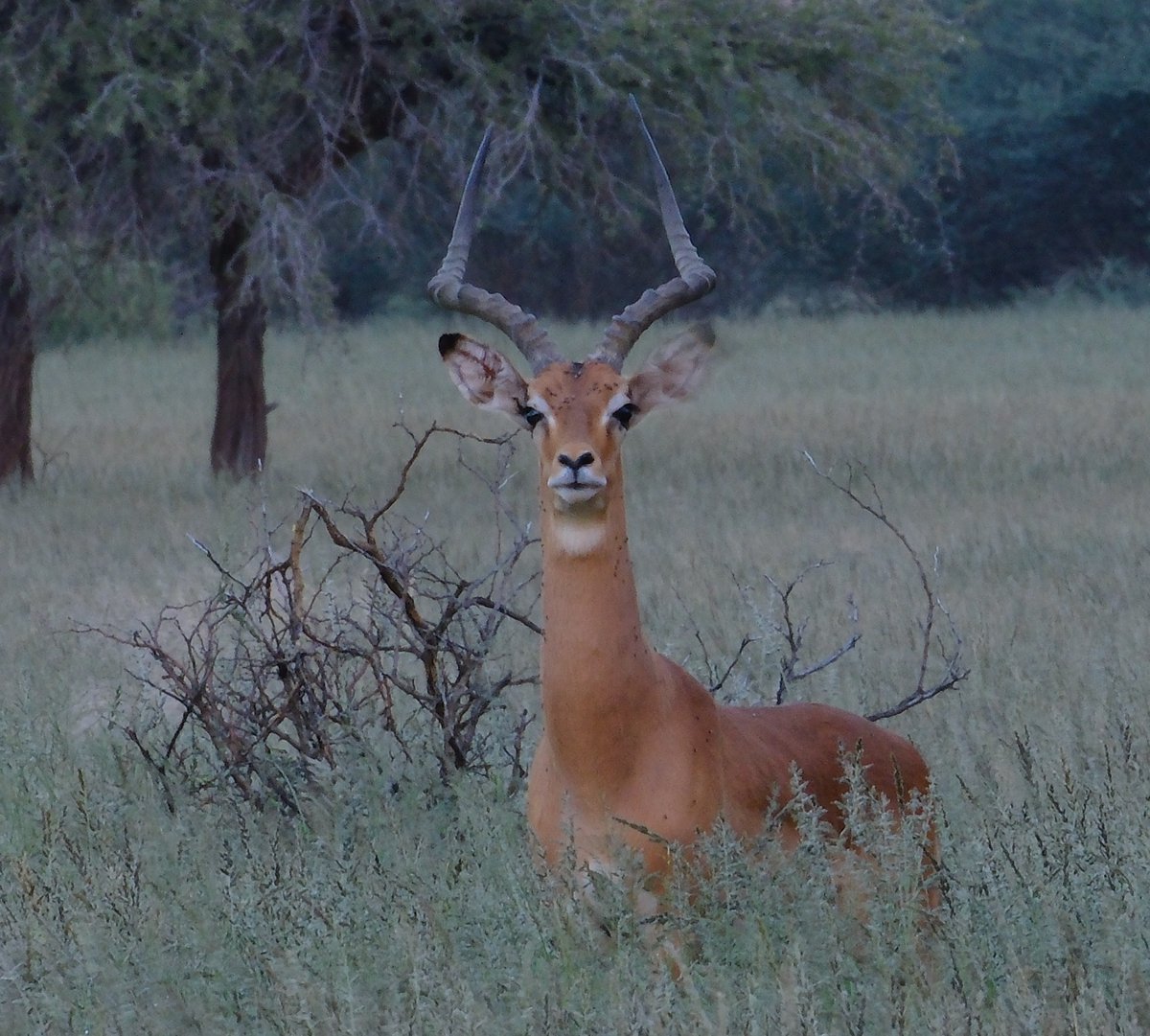
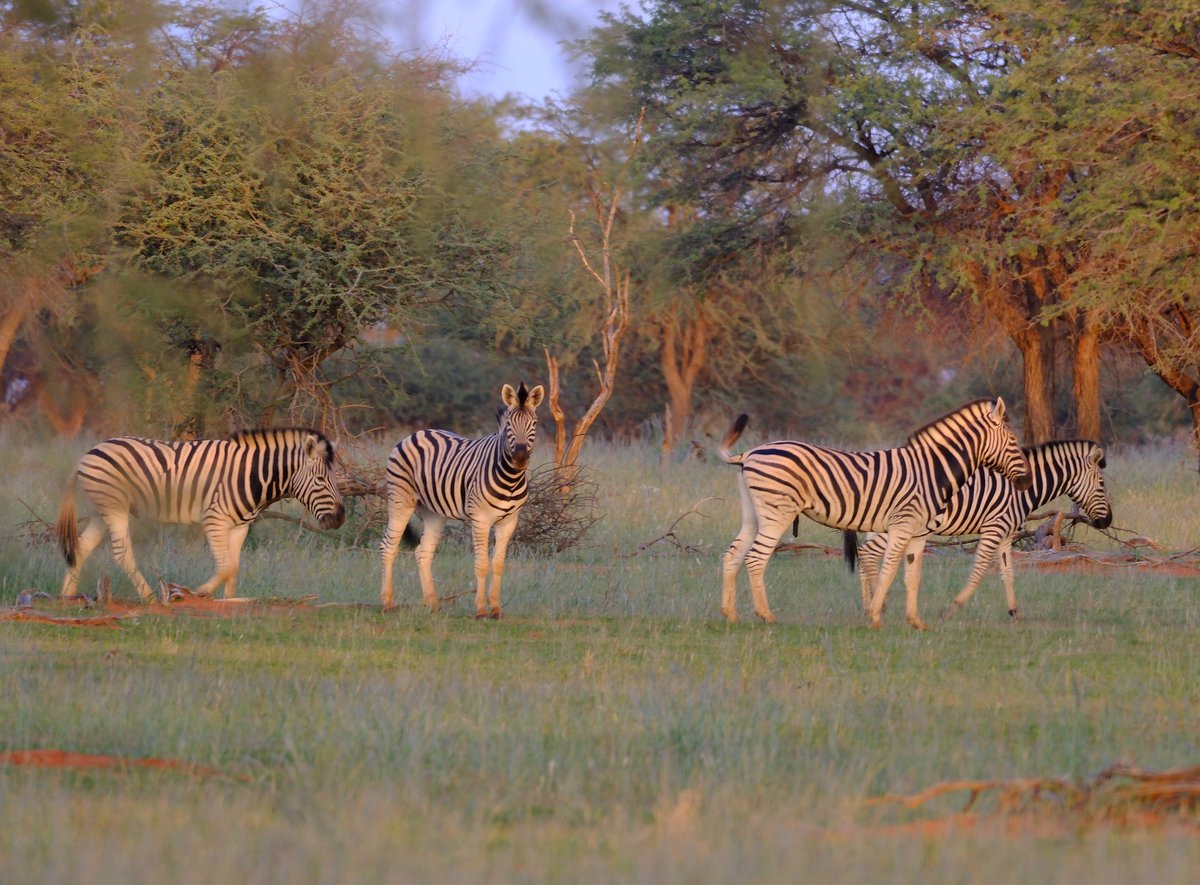
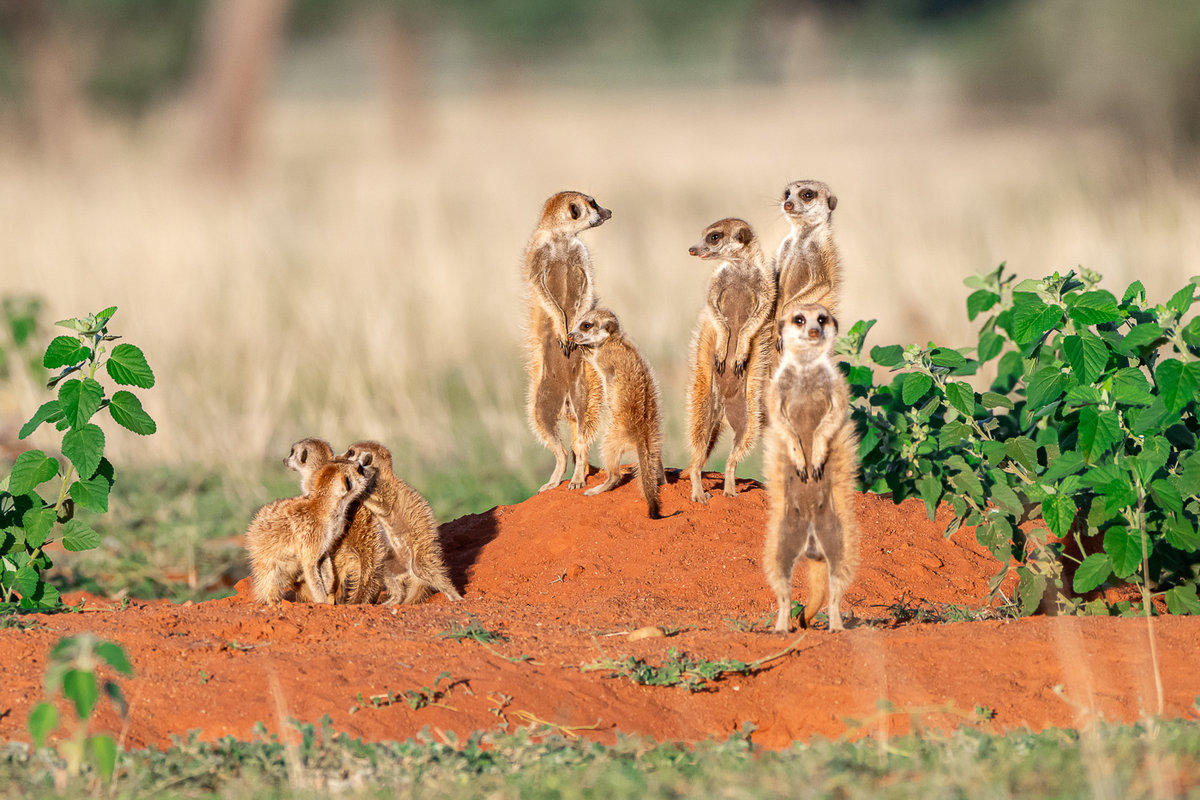
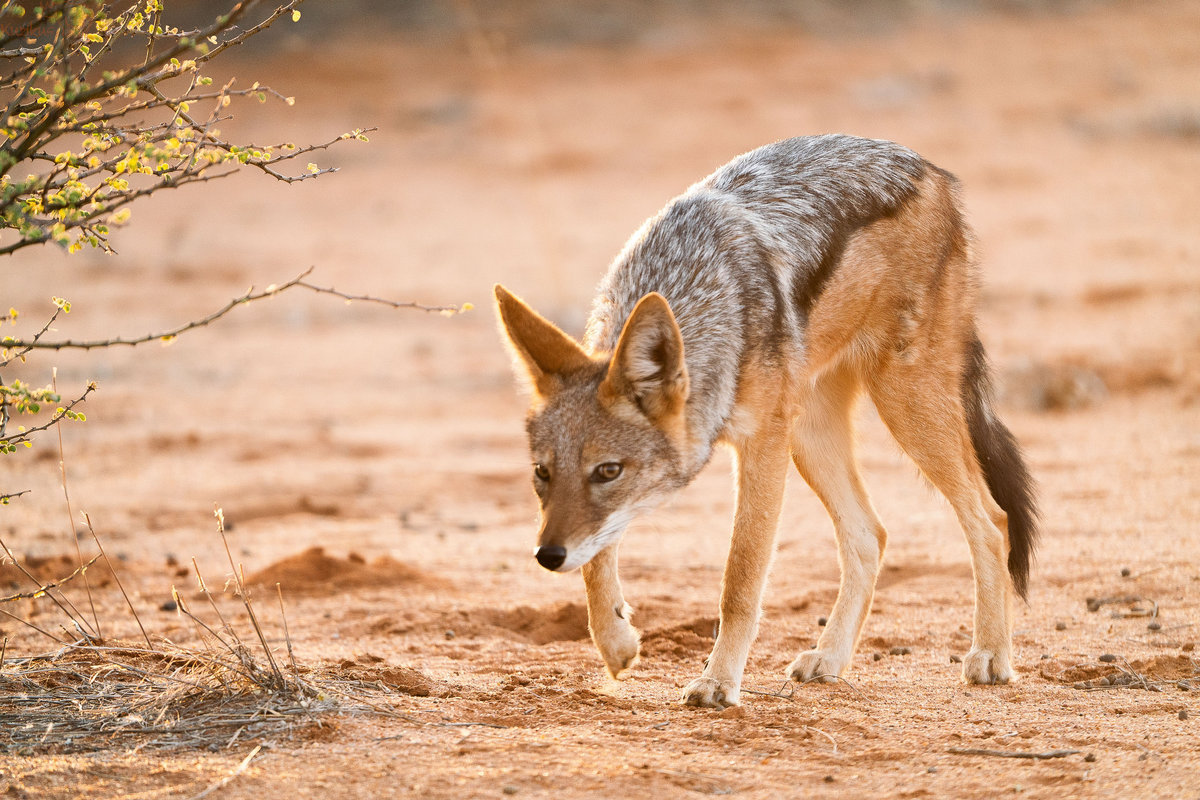
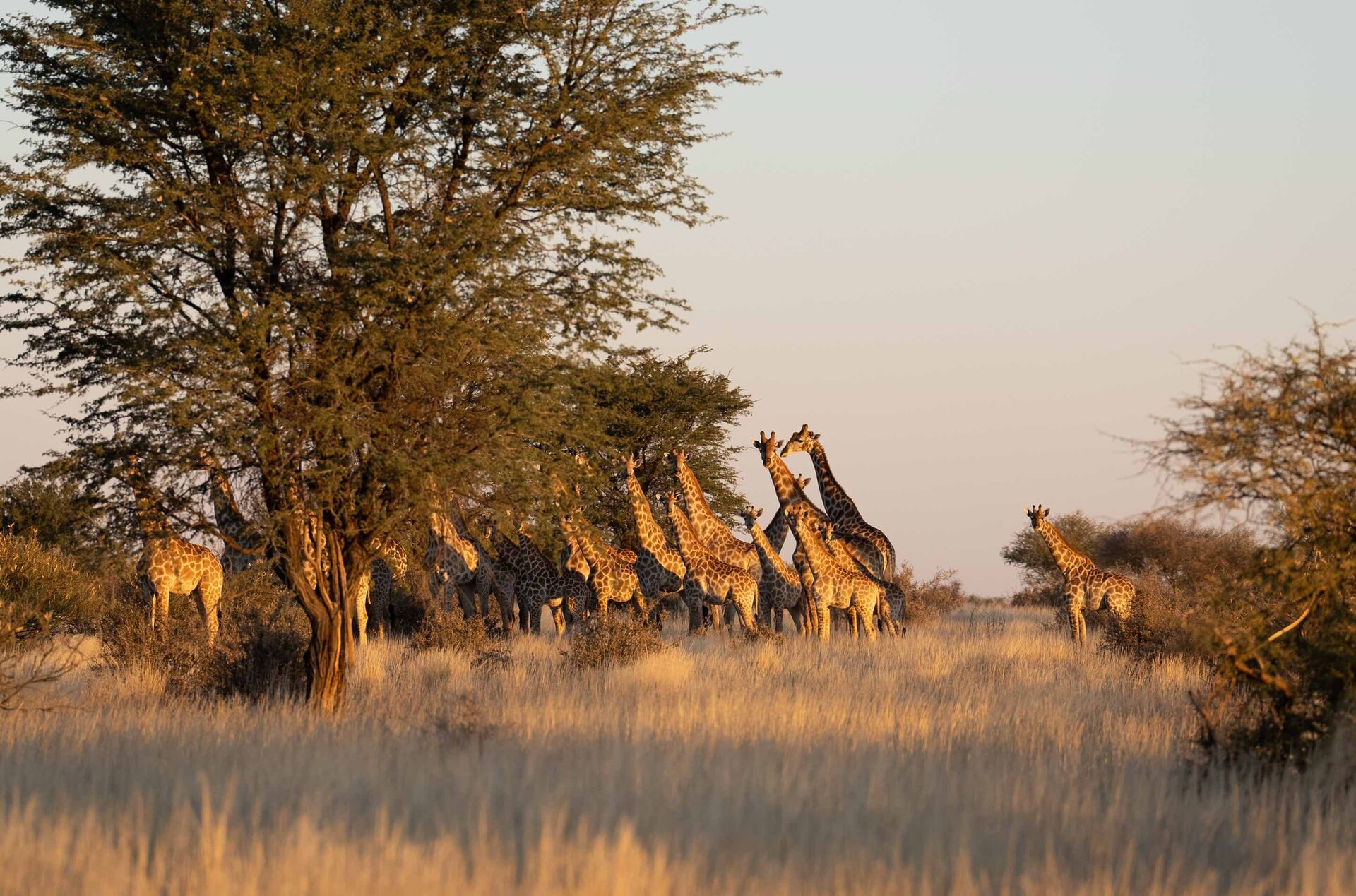
Over 3,000 large animals from more than 20 species live at Kuzikus. Foremost is the black rhino, our most intensively protected and scientifically monitored species, alongside eland, kudu, oryx, hartebeest, blue and black wildebeest, blesbok, springbok, steenbok, duiker, impala, zebra, ostriches and majestic giraffes.
Smaller, often nocturnal mammals such as African wildcats, pangolins, aardvarks, aardwolves, bat-eared foxes, genets, jackals and springhares complete the picture. Giraffes are also visible evidence of ecological restoration: their free presence throughout the reserve shows how an intact habitat is developing for all wildlife.
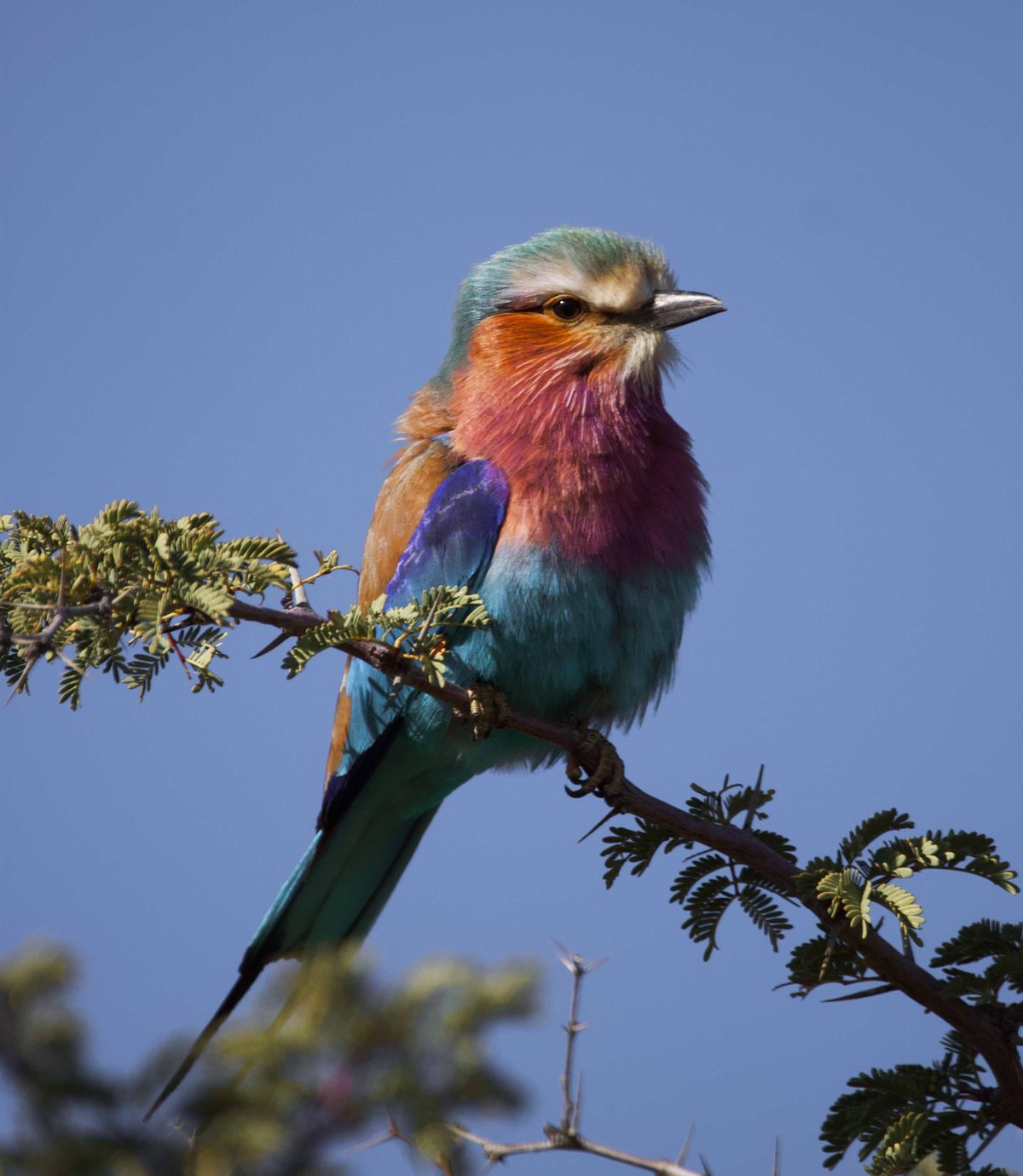
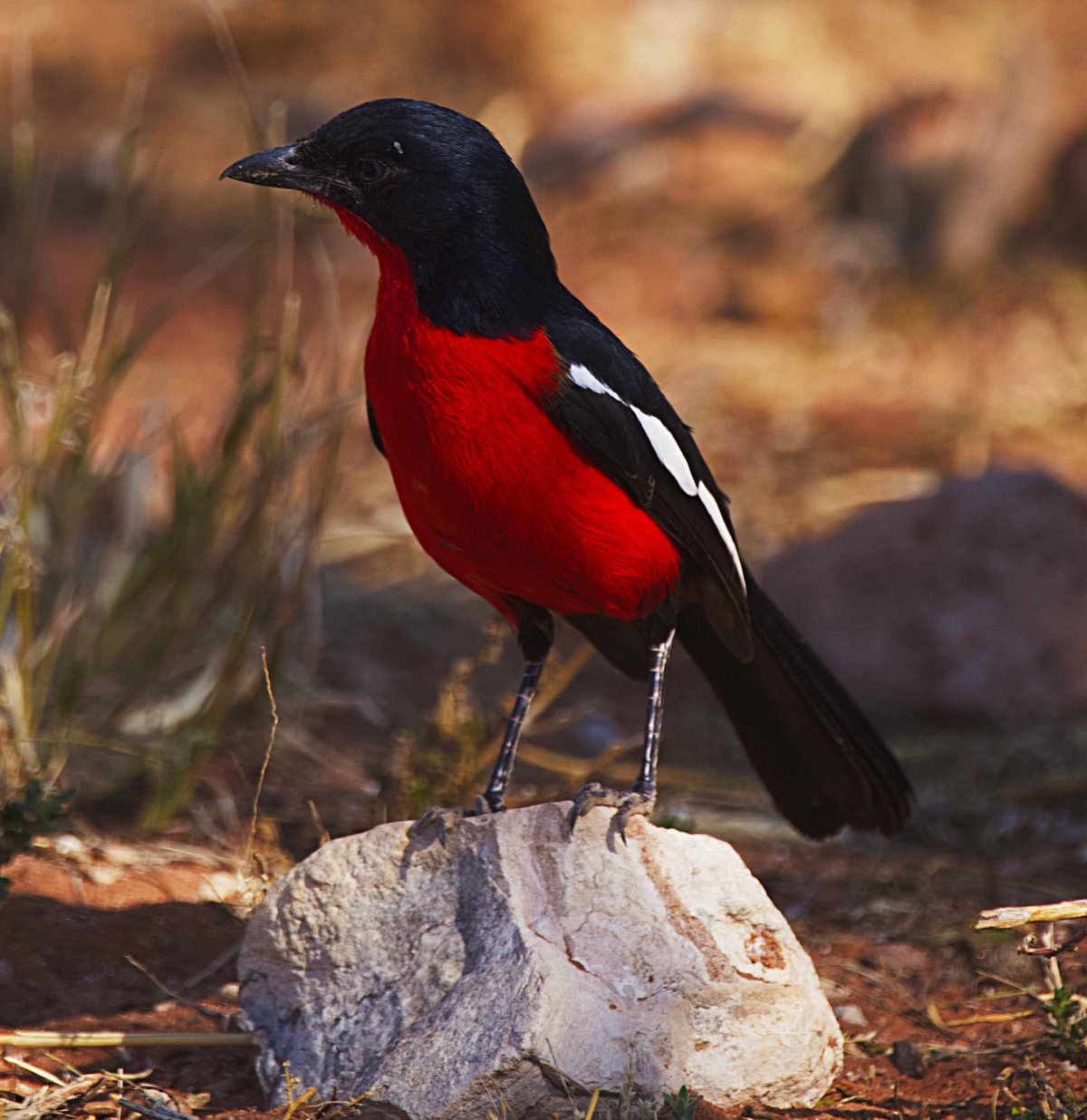
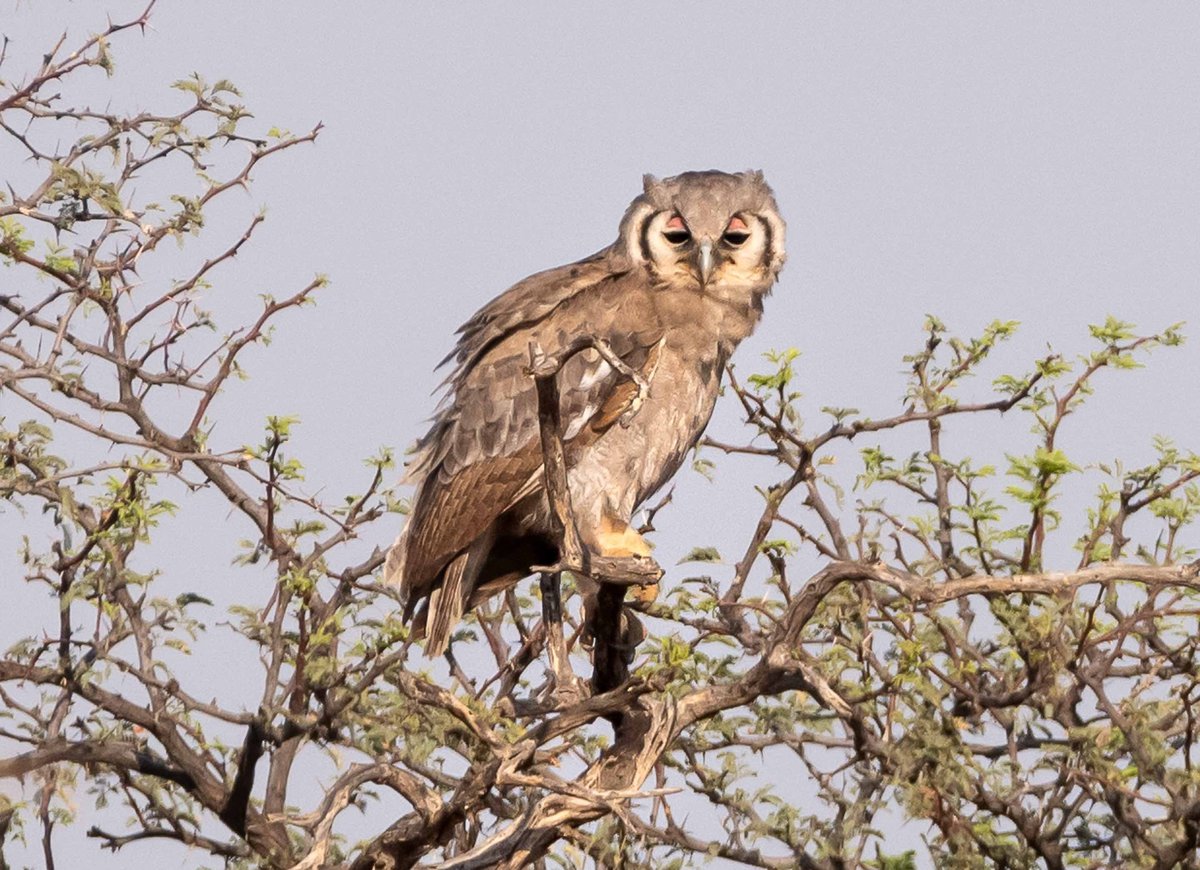
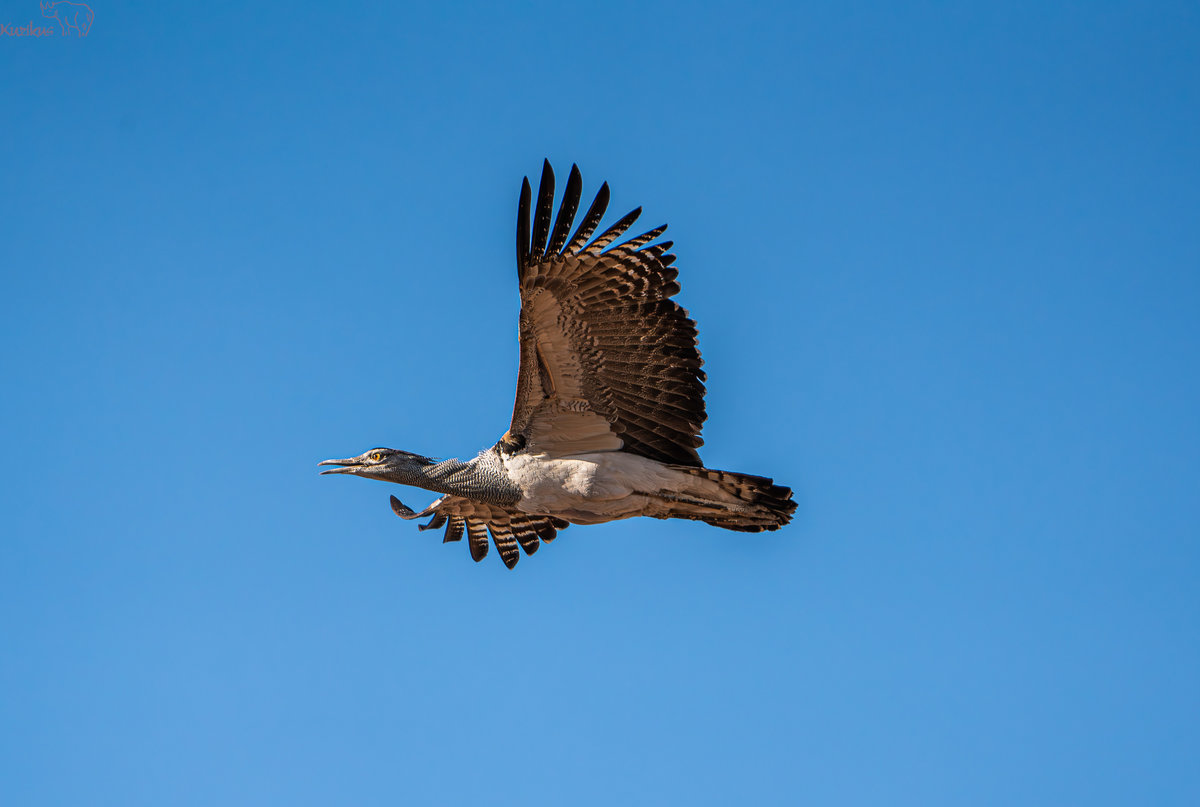
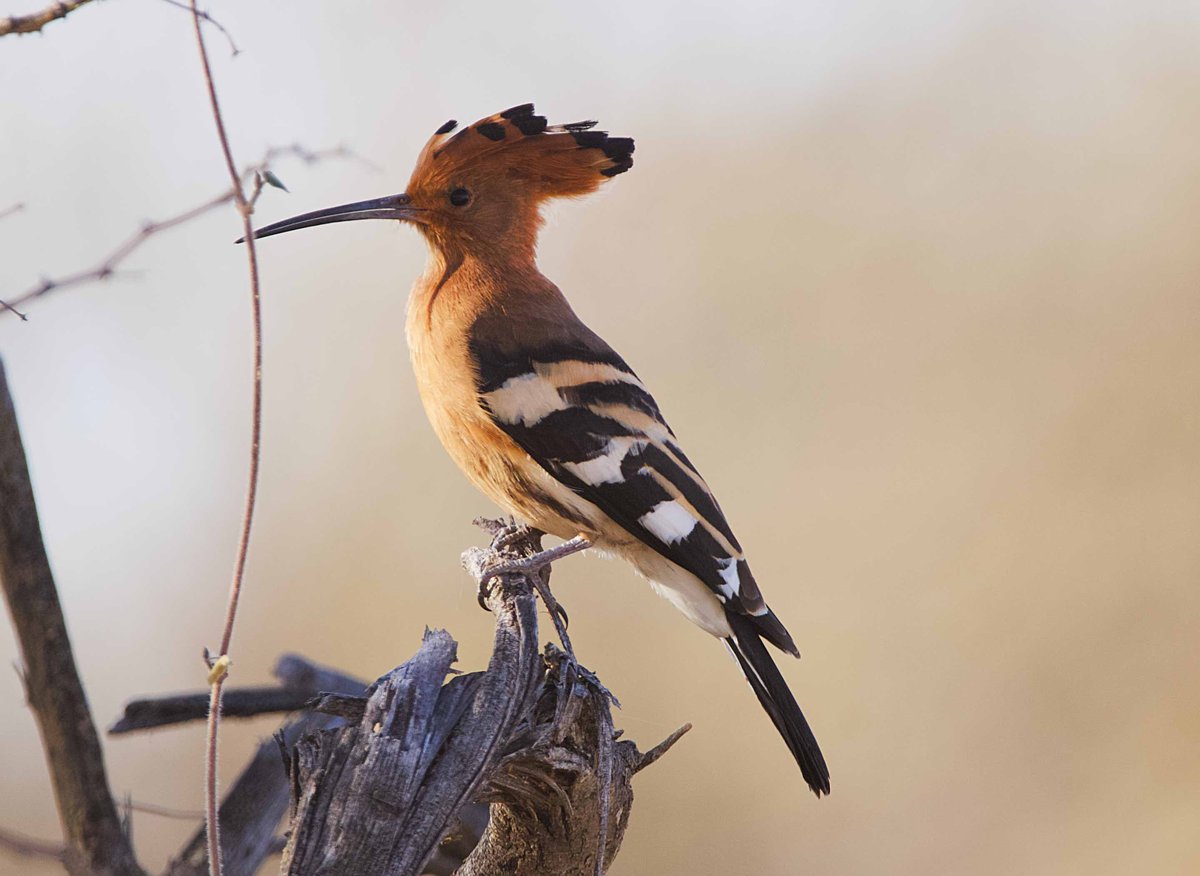
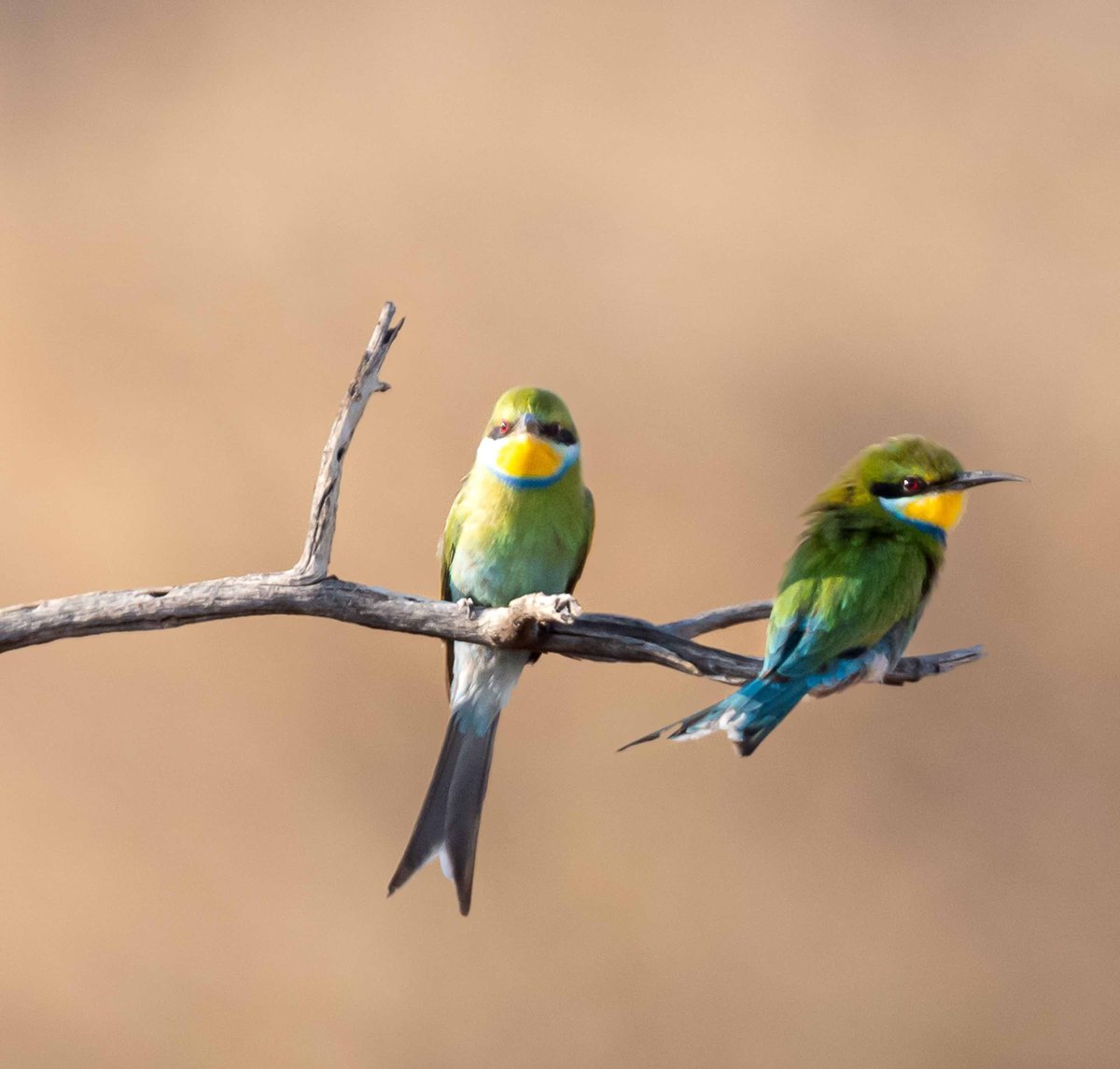
Over 120 bird species have been recorded at Kuzikus, from small sociable weavers to the large kori bustard, as well as sandgrouse that carry water in their belly feathers, hunting birds of prey and occasionally even pelicans in the middle of the Kalahari.
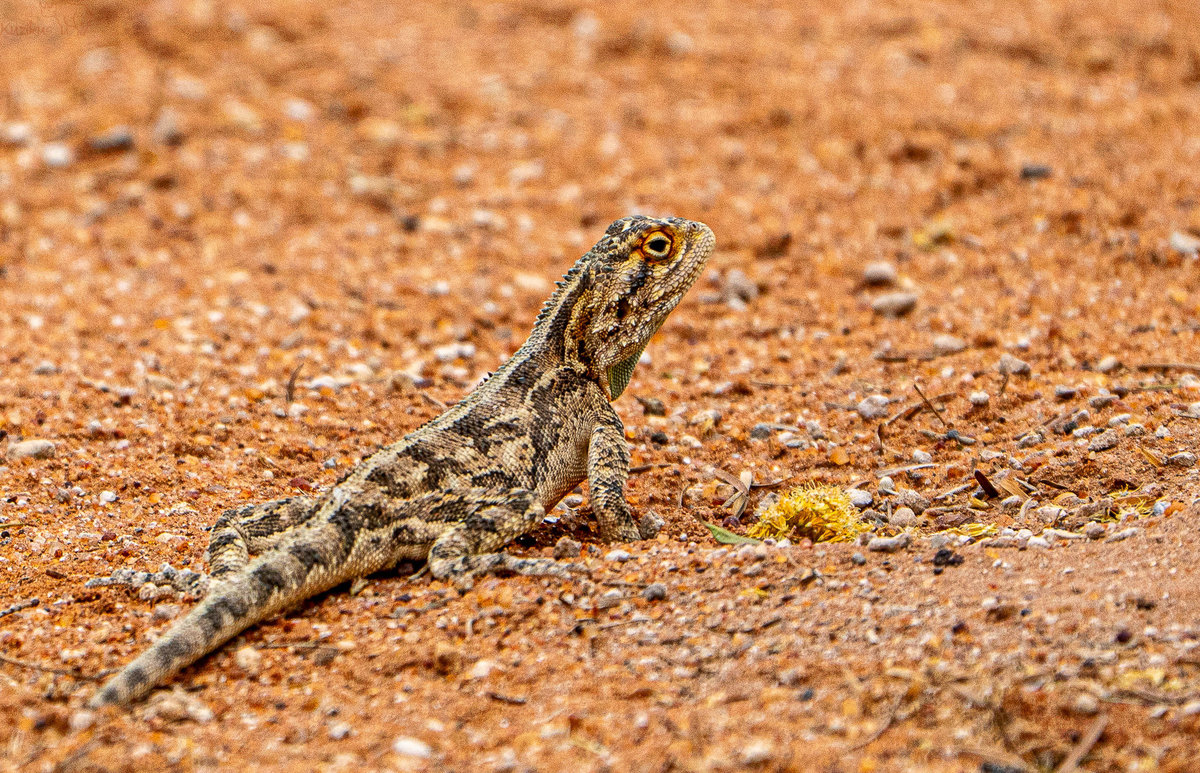
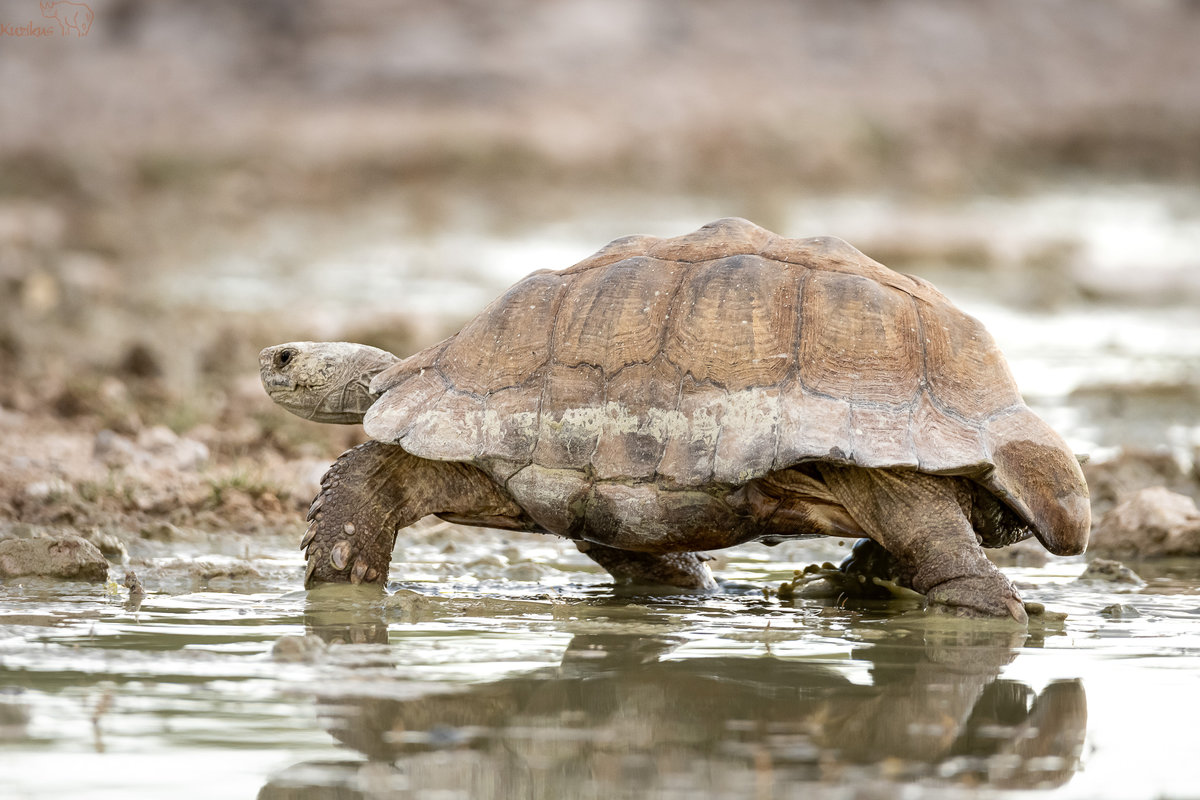
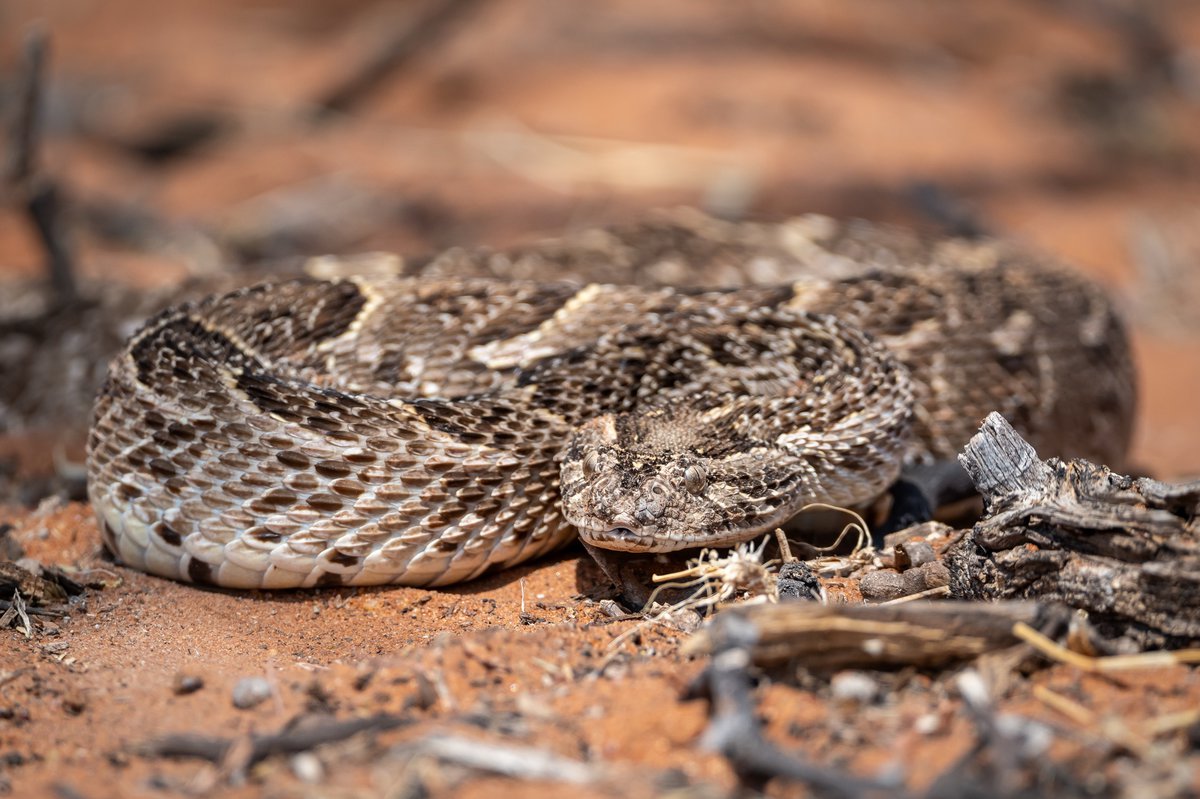
Reptiles and amphibians also form part of the ecosystem. With careful observation, you can discover snakes and tortoises, including the leopard tortoise.
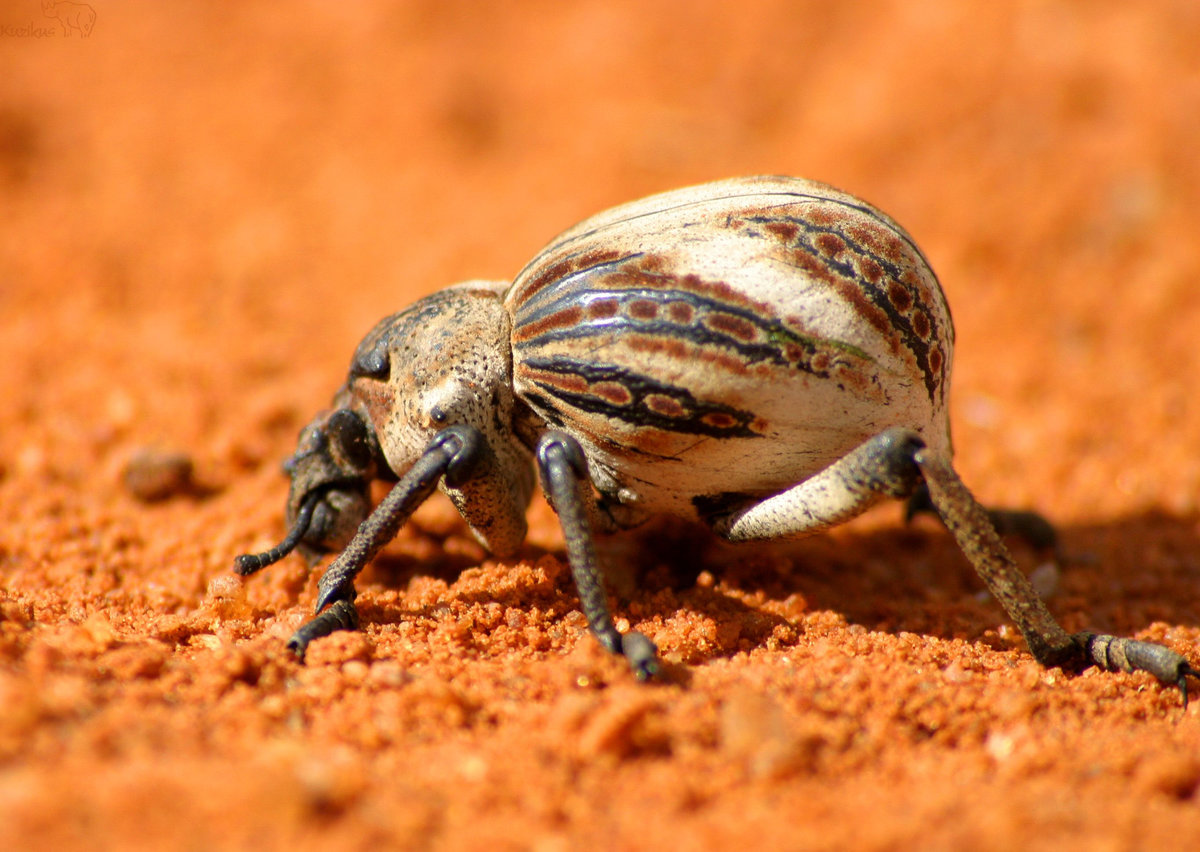
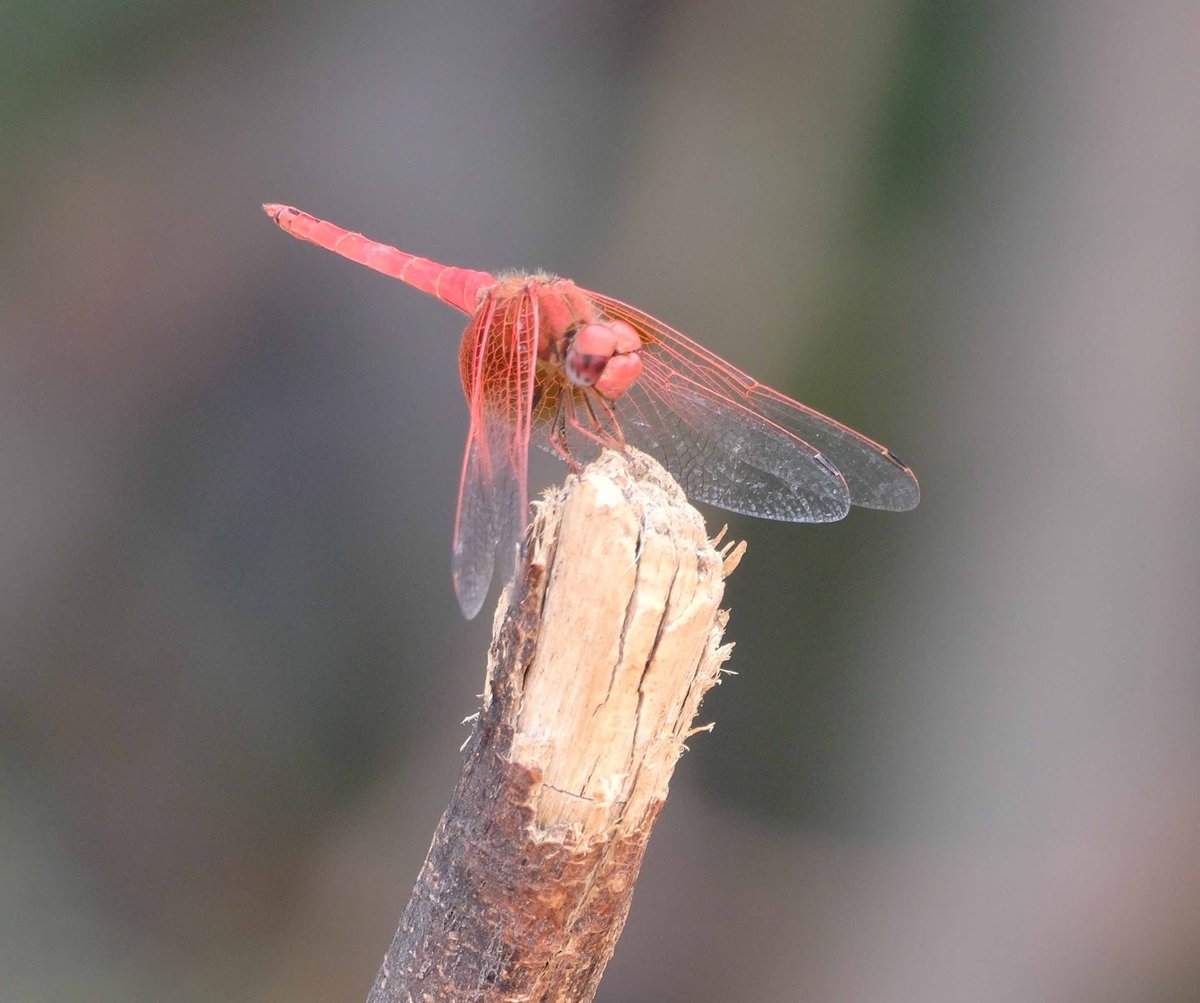
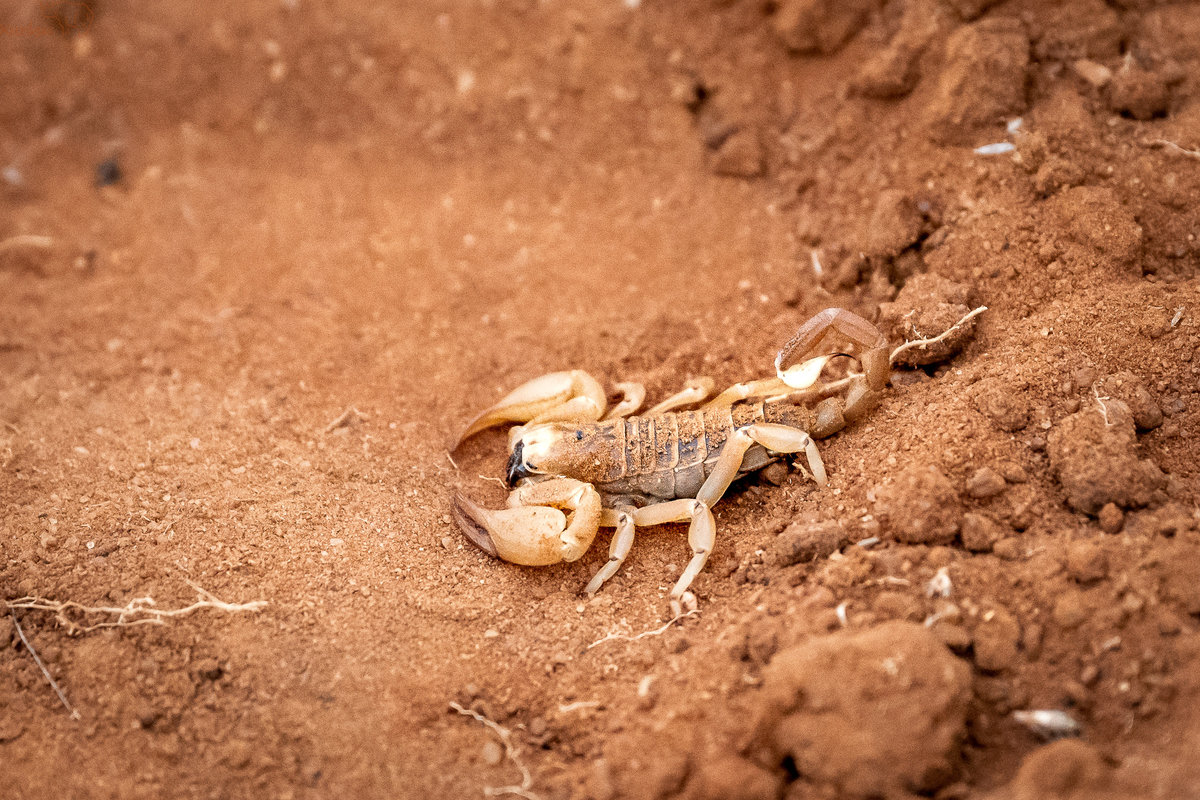
A rich diversity of insects — pollinators, beetles, spiders, scorpions and nocturnal species — maintains the ecological balance and is just as important to the whole system as the large mammals. For a close-up introduction to this miniature world, join the San-guided tour: tracks, trails and scorpions. Our biologists also share their knowledge of the Kalahari’s smaller inhabitants on all our other excursions.
With this diversity, Kuzikus is a biodiversity hotspot, rich in endemic species and of regional importance for species conservation.
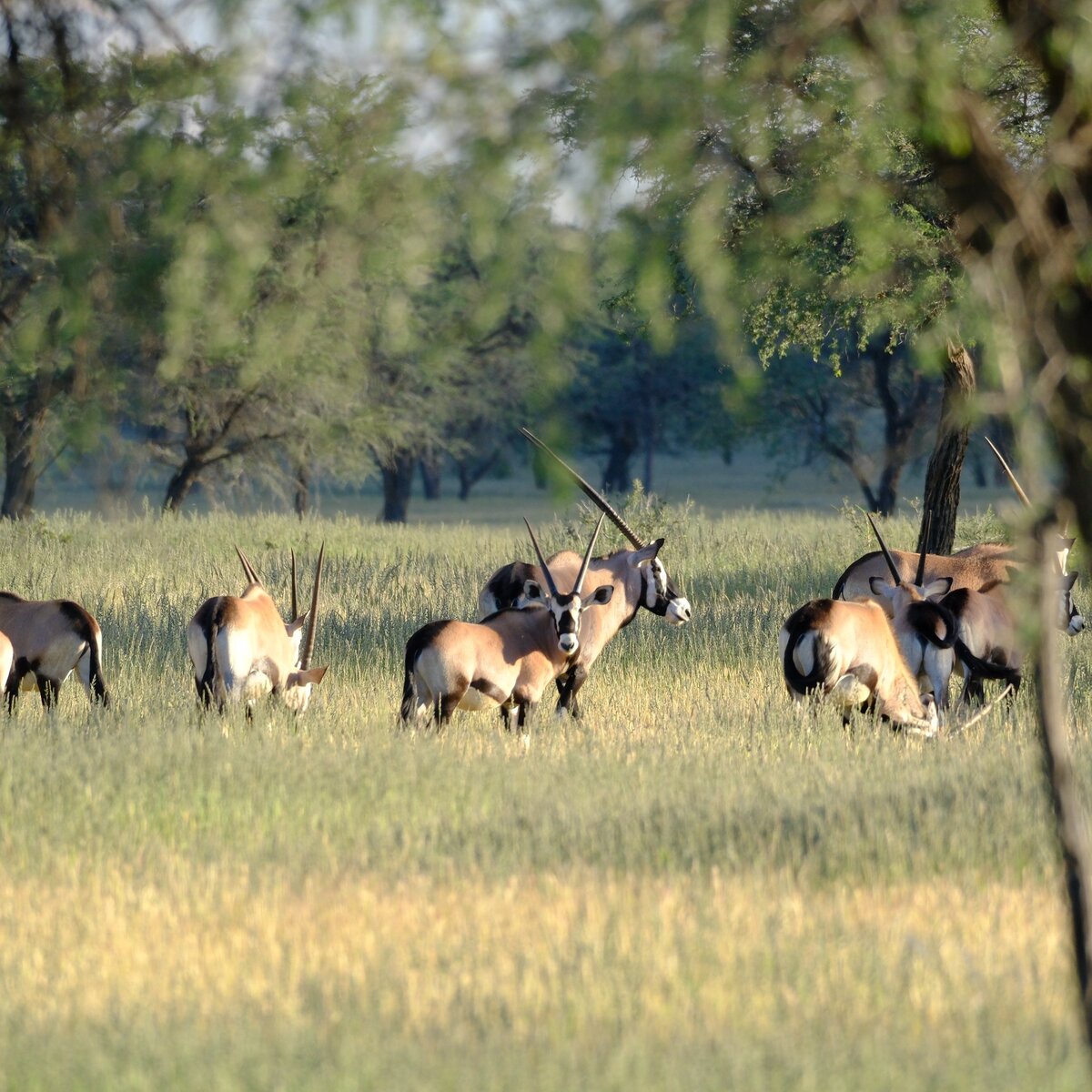
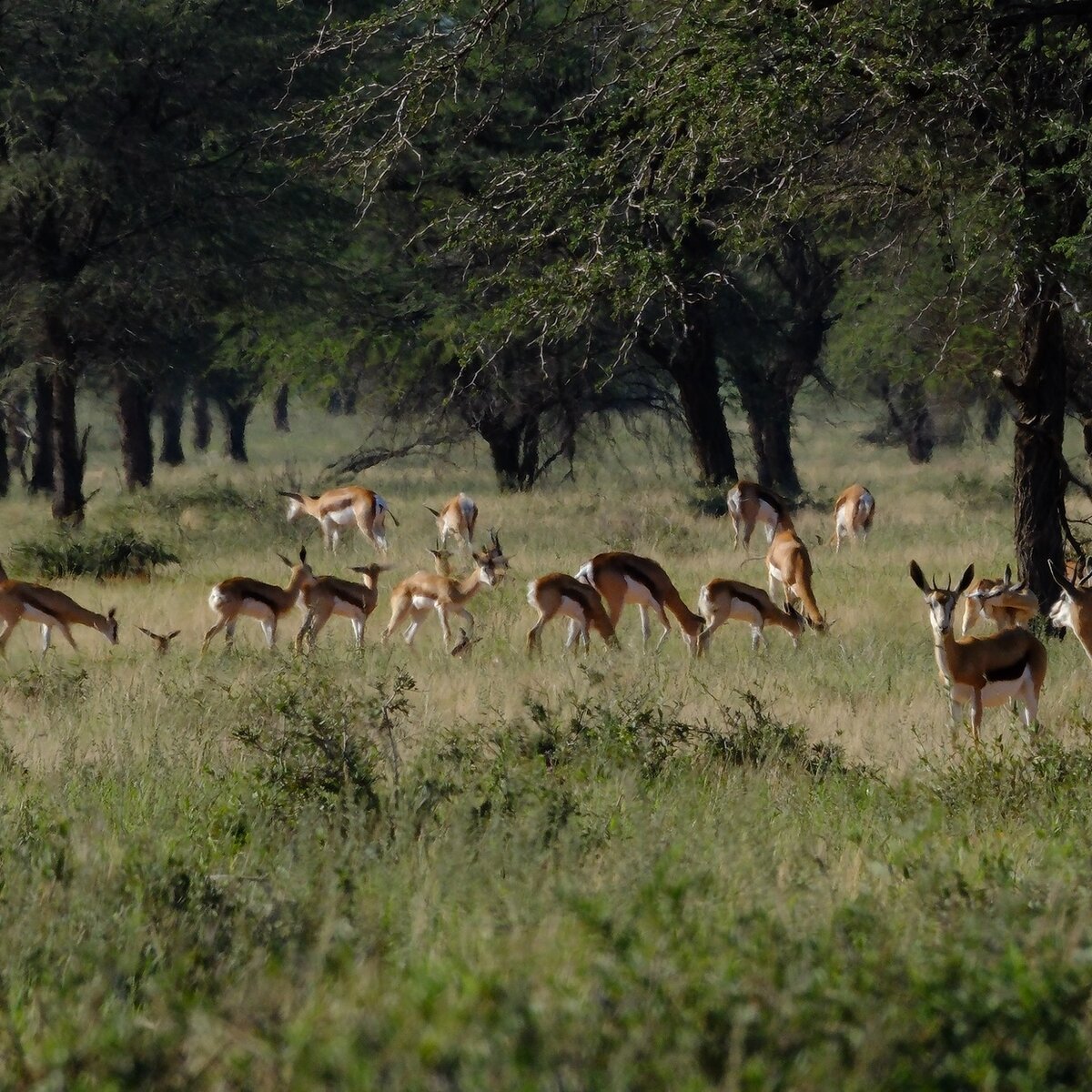
Over the years, targeted ecological restoration at Kuzikus has led to a marked increase in animal, plant and insect species. The impact extends beyond the reserve itself, with significance for the Kalahari, Namibia and international research and climate protection initiatives.

| ADDRESS Kuzikus Wildlife Reserve & Astronomy Guest Farm Berend & Dr. Friedrich F. Reinhard Private Bag 13112 9000 Windhoek, Namibia Call via WhatsApp: +26 4817 402 808 Email: info@kuzikus-namibia.com Privacy Legal notice Contact Terms and conditions | MORE INFORMATION Offers and rates Getting here FAQ Newsletter | MORE Astrophotography Press Kuzikus shop Horse riding Donate |