The team and the vision of a Kalahari without fences
Our Vision: Our vision at Kuzikus is to restore ecological integrity across large areas of the Kalahari ecosystem. We create a sustainable connection between people and nature, allowing the land to sustain itself through its rich biodiversity and become a forward-looking form of land use.
PROTECTING UMBRELLA SPECIES
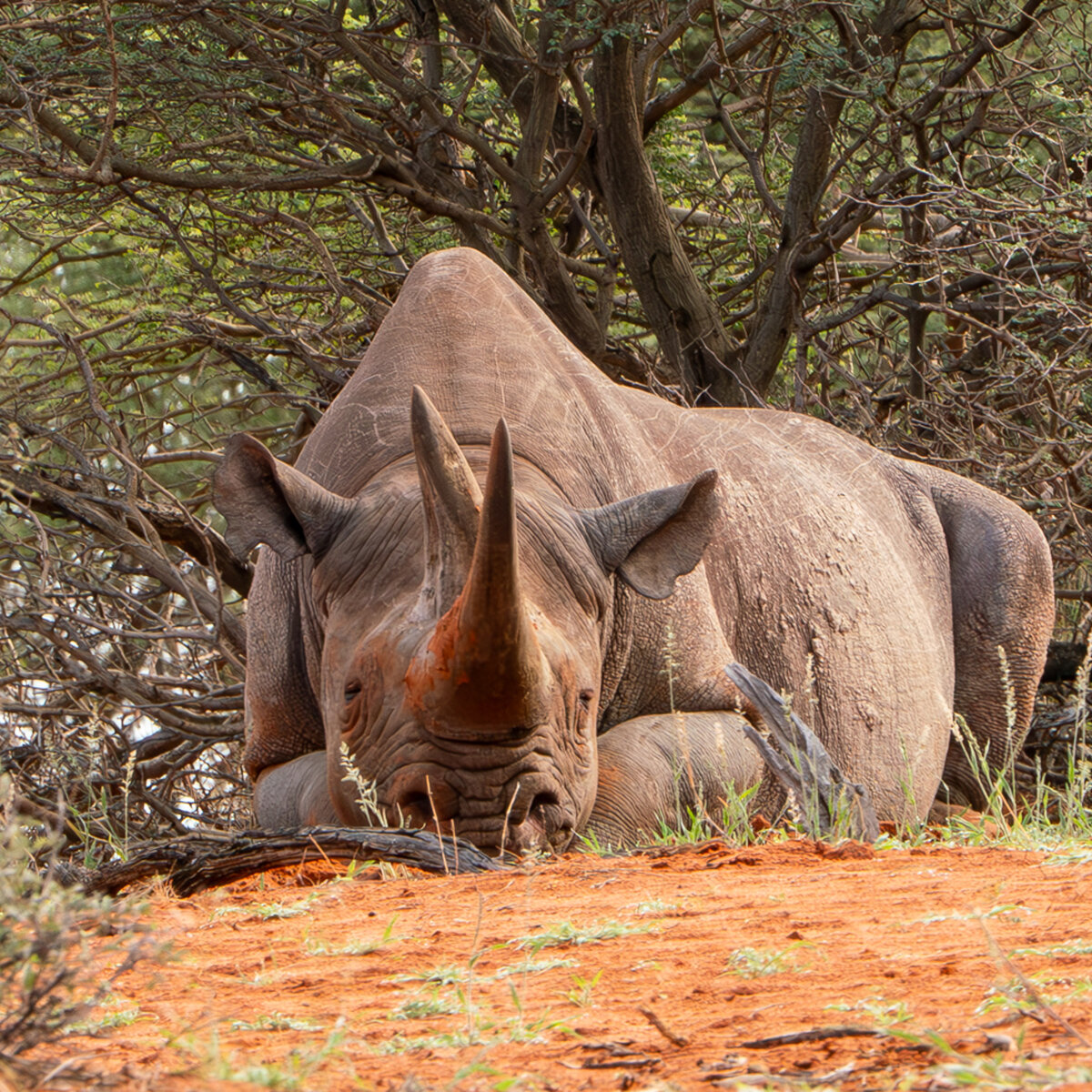
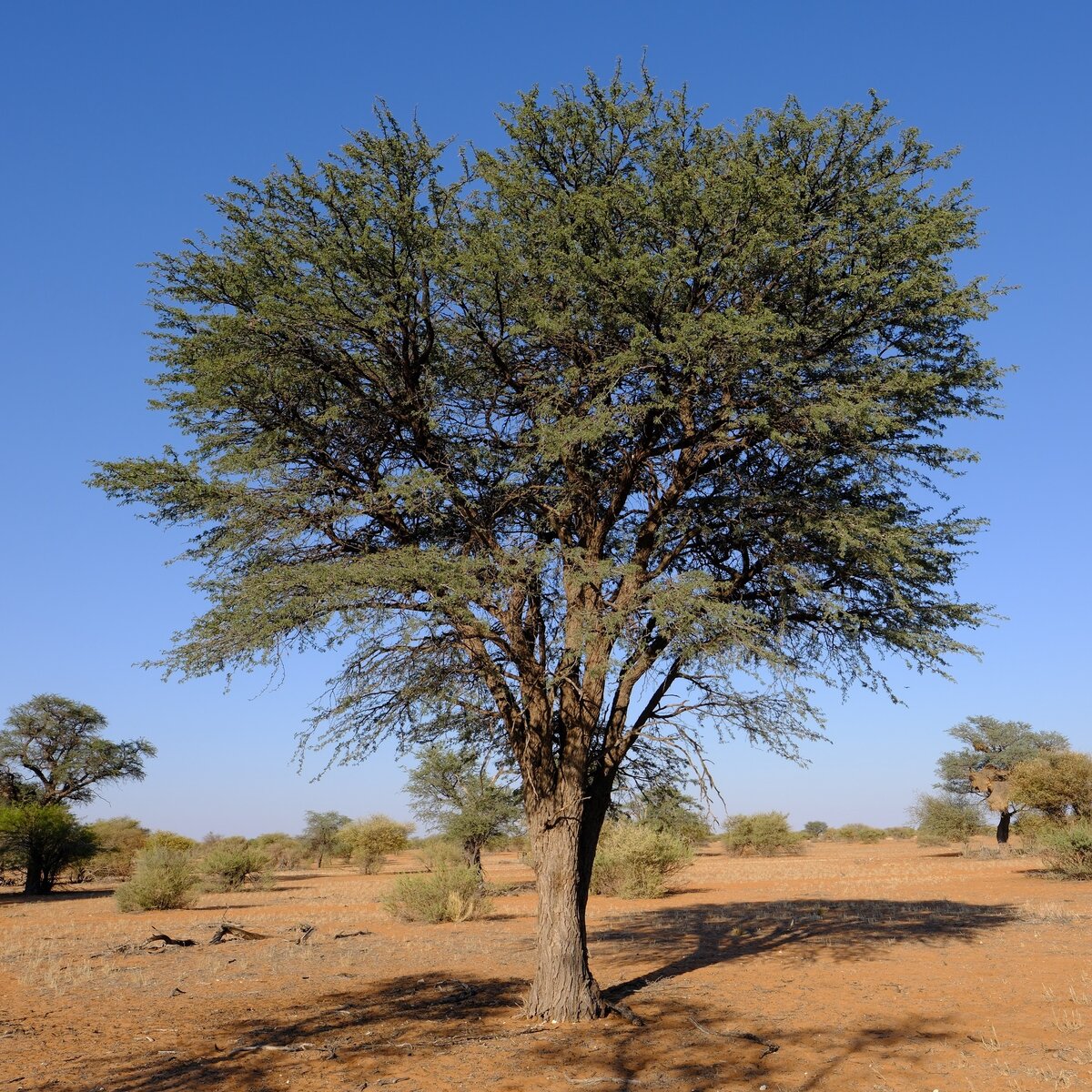
Our mission at Kuzikus centres on research into conservation and wildlife management. We focus on charismatic umbrella species: the mighty camel thorn tree and the iconic black rhino. Step by step, protecting these species today brings tomorrow’s vision closer.
We study ecological relationships and make our findings freely available to show ways of preserving wilderness in Namibia, Africa and worldwide. This global outlook is also reflected in international recognition: Kuzikus is a UN-recognised protected area, currently working towards a higher level of UN certification.
The Wildlife Reserve is a protected natural area on the edge of the Kalahari, where people with an interest in nature come together to learn, research and contribute in a family atmosphere, in direct contact with the natural world.
1 +1 = 3
Tourism, education and science take place side by side in a family setting at Kuzikus Wildlife Reserve. Guests and visitors, students, interns, volunteers and scientists meet around the campfire to exchange ideas. The striking natural surroundings inspire and motivate them to make a difference in conservation. The connections between tourism, education and science enable our conservation work to succeed.
In this way, we create a living connection between people and nature. The land becomes self-sustaining through its biodiversity and establishes itself as a forward-looking alternative to conventional land use. Through this sustainable creation of value, the protected area grows to benefit both local people and the Kalahari ecosystem: a shared endeavour with far-reaching influence.
WORKING TOGETHER TO REWILD THE KALAHARI
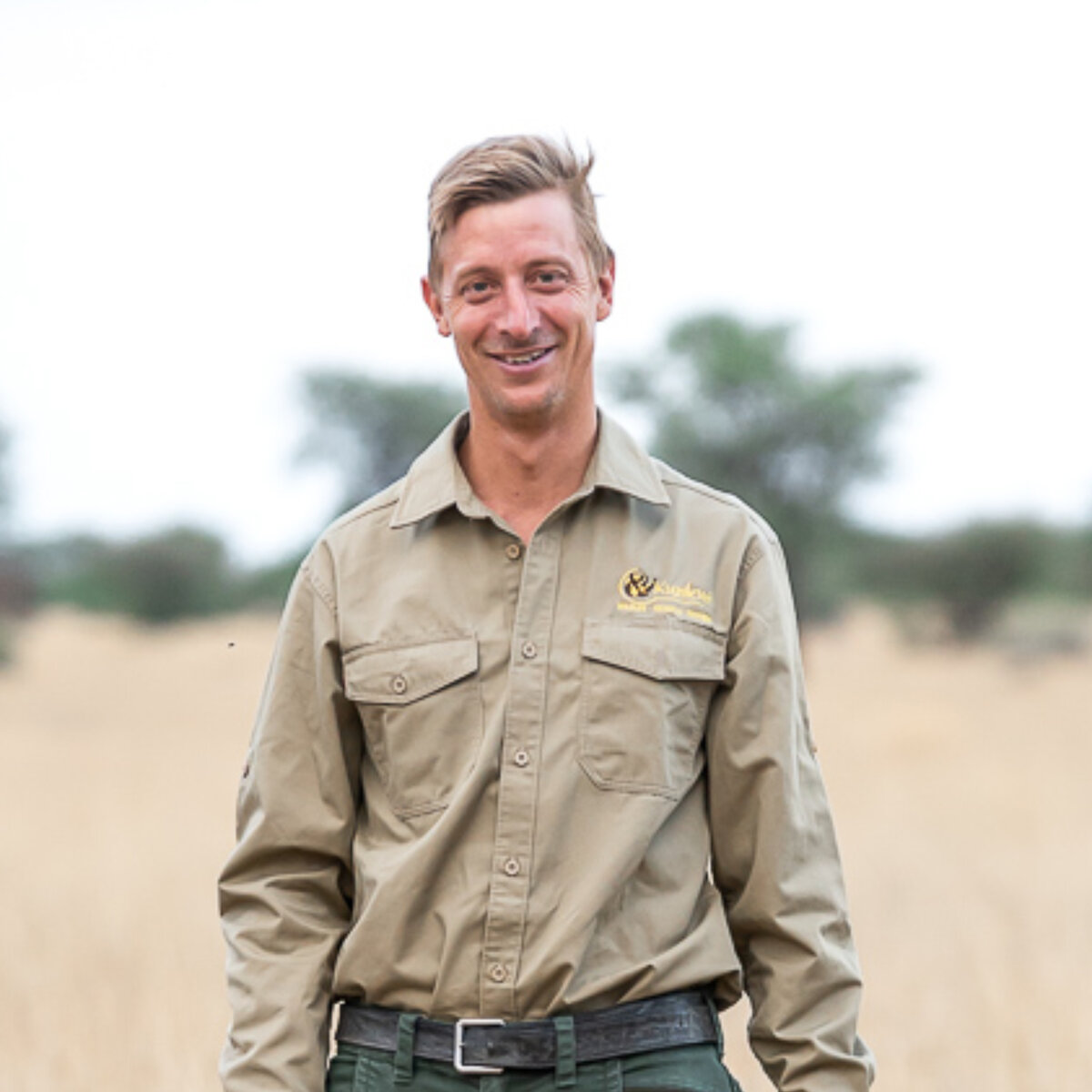
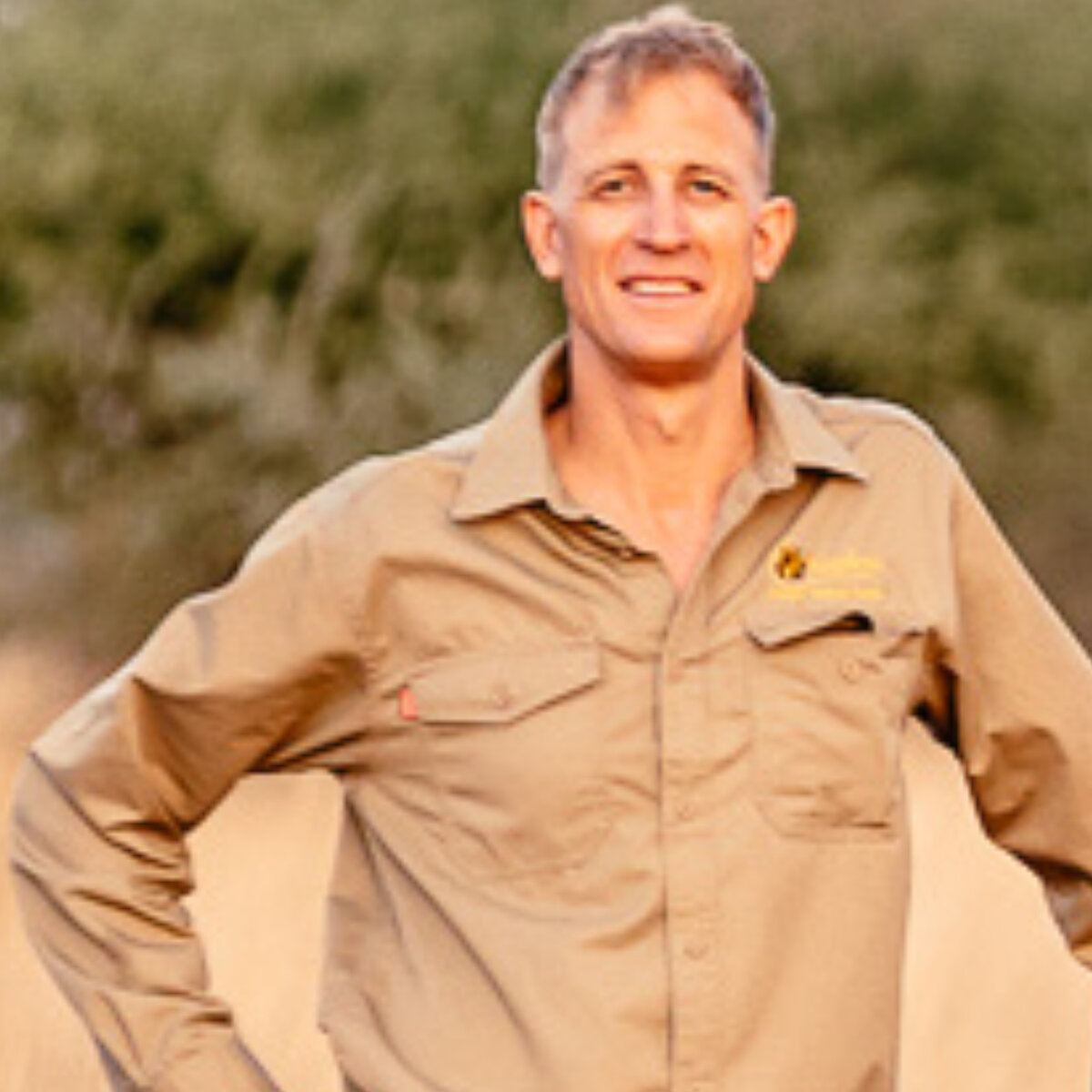
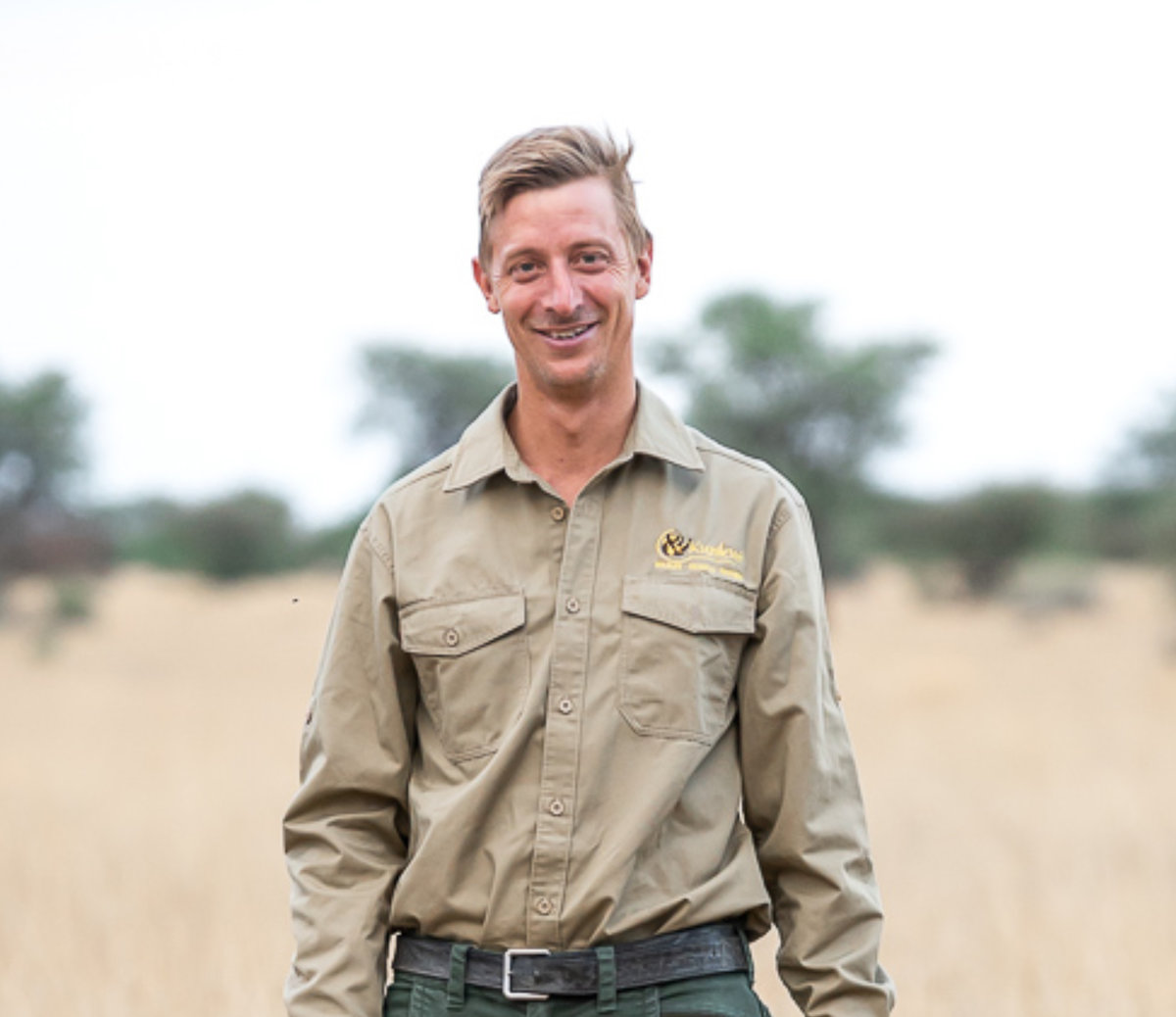
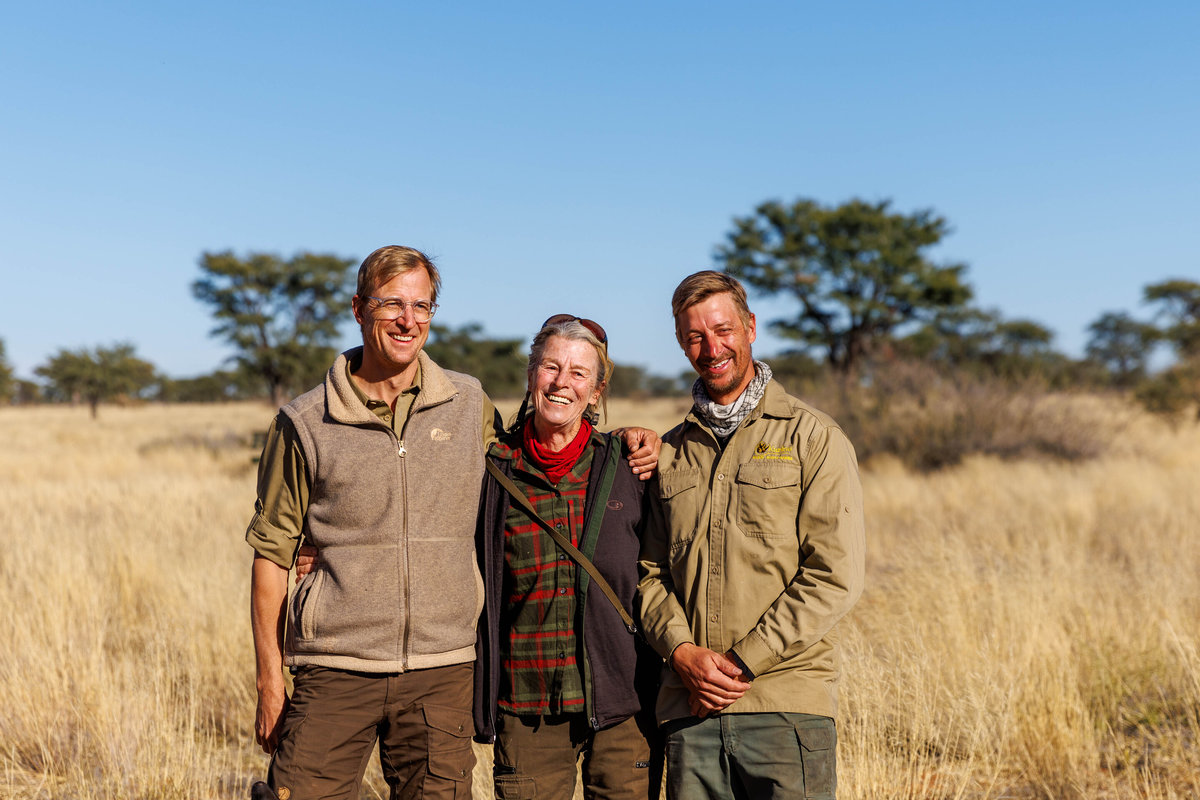
Kuzikus was founded in 1980 by Dr F. G. Reinhard, a physician and biochemist whose career included work at the Max Planck Institute in Munich, and Hiltrud Reinhard, née Müller, from the family of Schloss Elmau in the Bavarian Alps. In a true pioneering effort, they realised their lifelong dream of a private wildlife reserve and have been committed to preserving a piece of original Africa ever since.
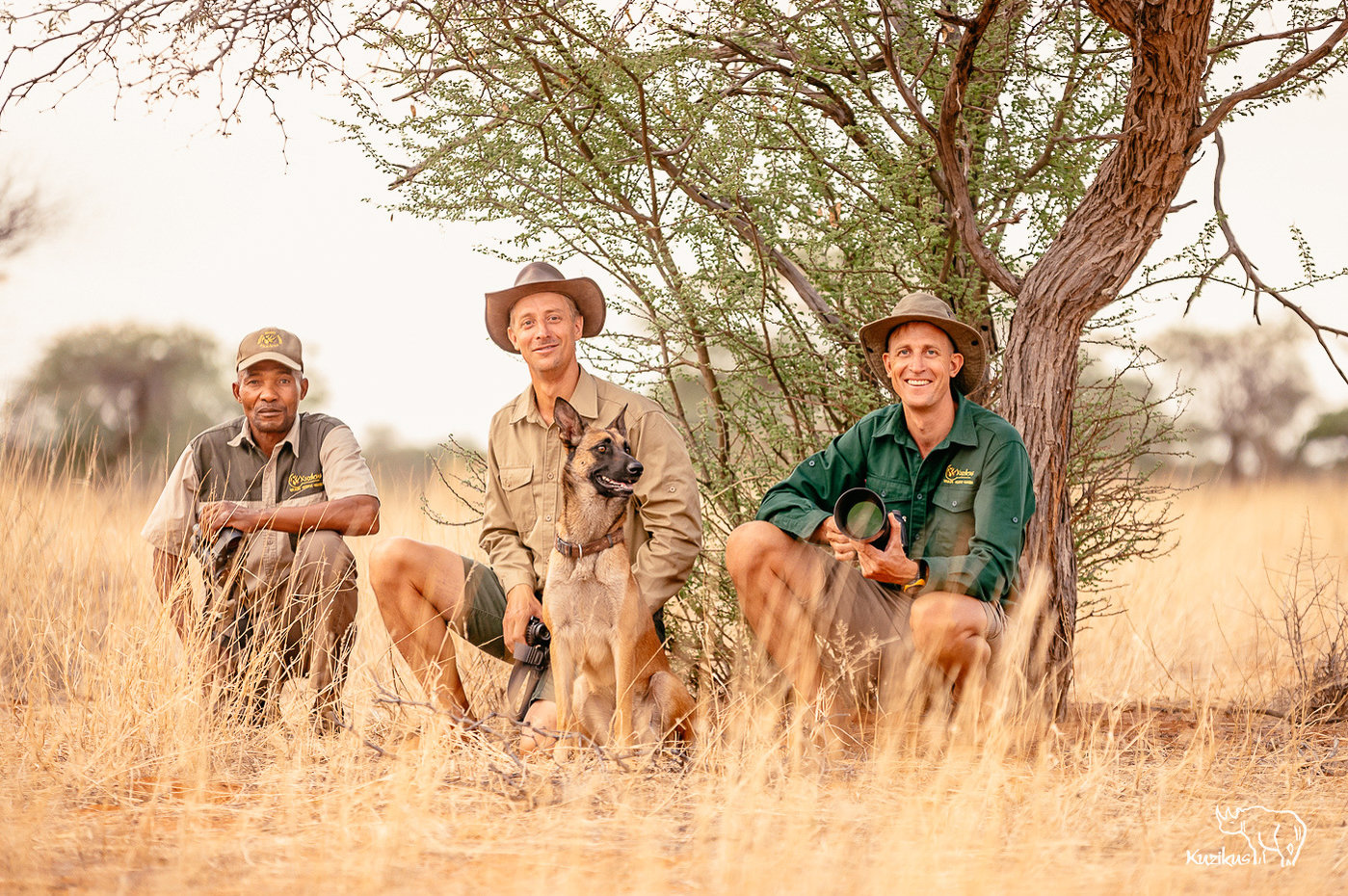
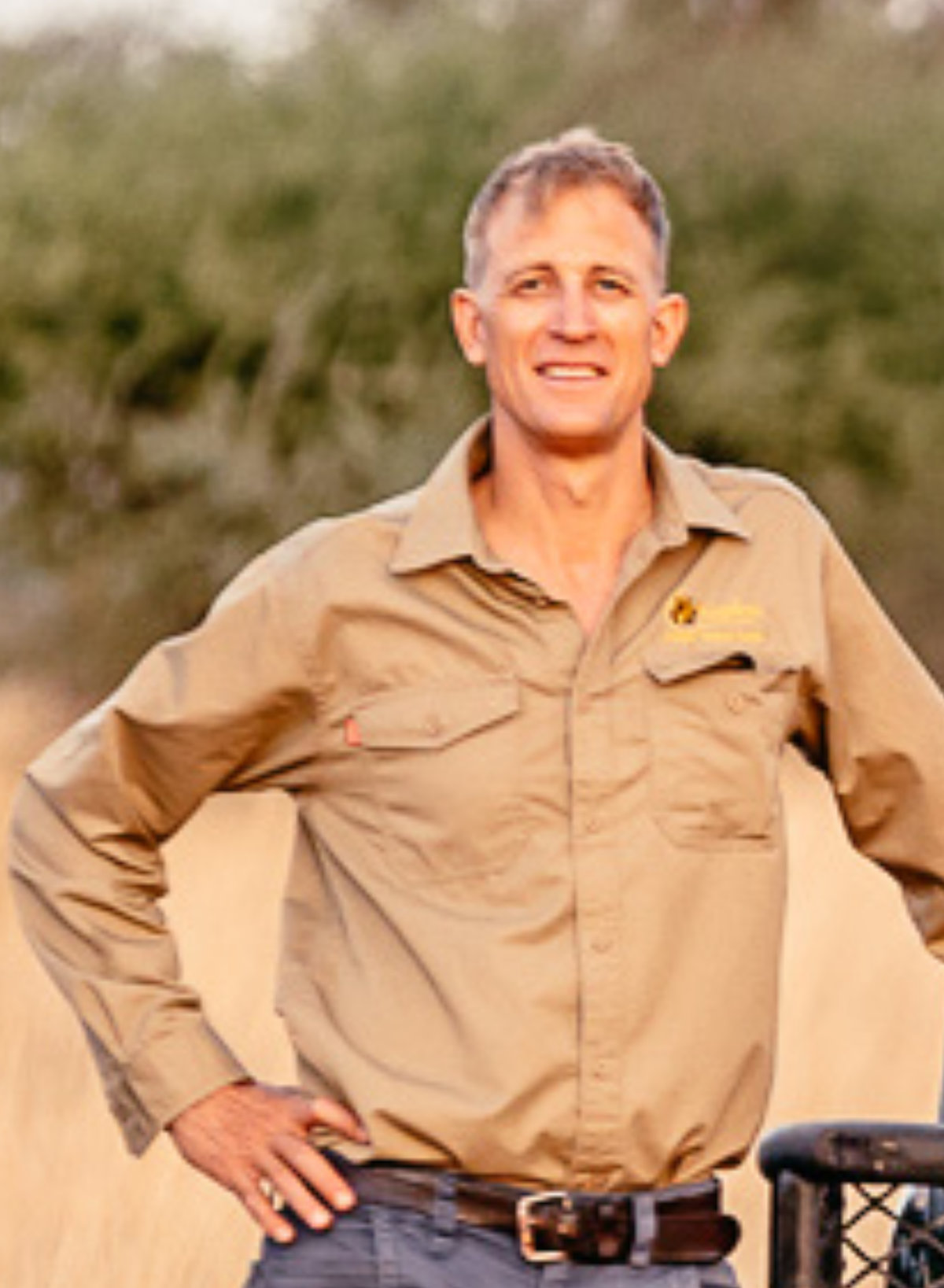
All four of their children grew up at Kuzikus. Today, Berend and Dr Friedrich Reinhard manage the reserve together. Berend, managing director since 2009, is a biologist specialising in ecology and resource management (BSc Edinburgh, MSc Cranfield University). Before returning, he gained three years of experience at an ecological restoration consultancy in Zurich. Friedrich holds a PhD in microbiology from Lausanne and has also worked at the Max Planck Institute for Marine Microbiology. He initiated the SAVMAP research project, and his scientific focus is ecological land use in the Kalahari. Both also have hands-on experience with big game, from reintroductions to controlled hunting.
Berend is joined by his wife, Nichola McNamara-Reinhard. Raised in Ireland, she trained in Equine Studies at Kildalton College. After gaining extensive experience in the equestrian industry, she came to Namibia in 2010 and has managed the riding operation at Kuzikus ever since.
The two sisters also remain involved in the project. In 1996, Alina Reisenauer, née Reinhard, founded the safari company Outdoor Adventure with her husband Dieter; some of their guests stay at Kuzikus before or after their tours. Johanna Oldenburg, née Reinhard, initiated the first ecological research at Kuzikus herself in 2009, before beginning her doctorate in Potsdam. Today, she works as an entomologist in Germany and continues to support Kuzikus with advice and practical help.
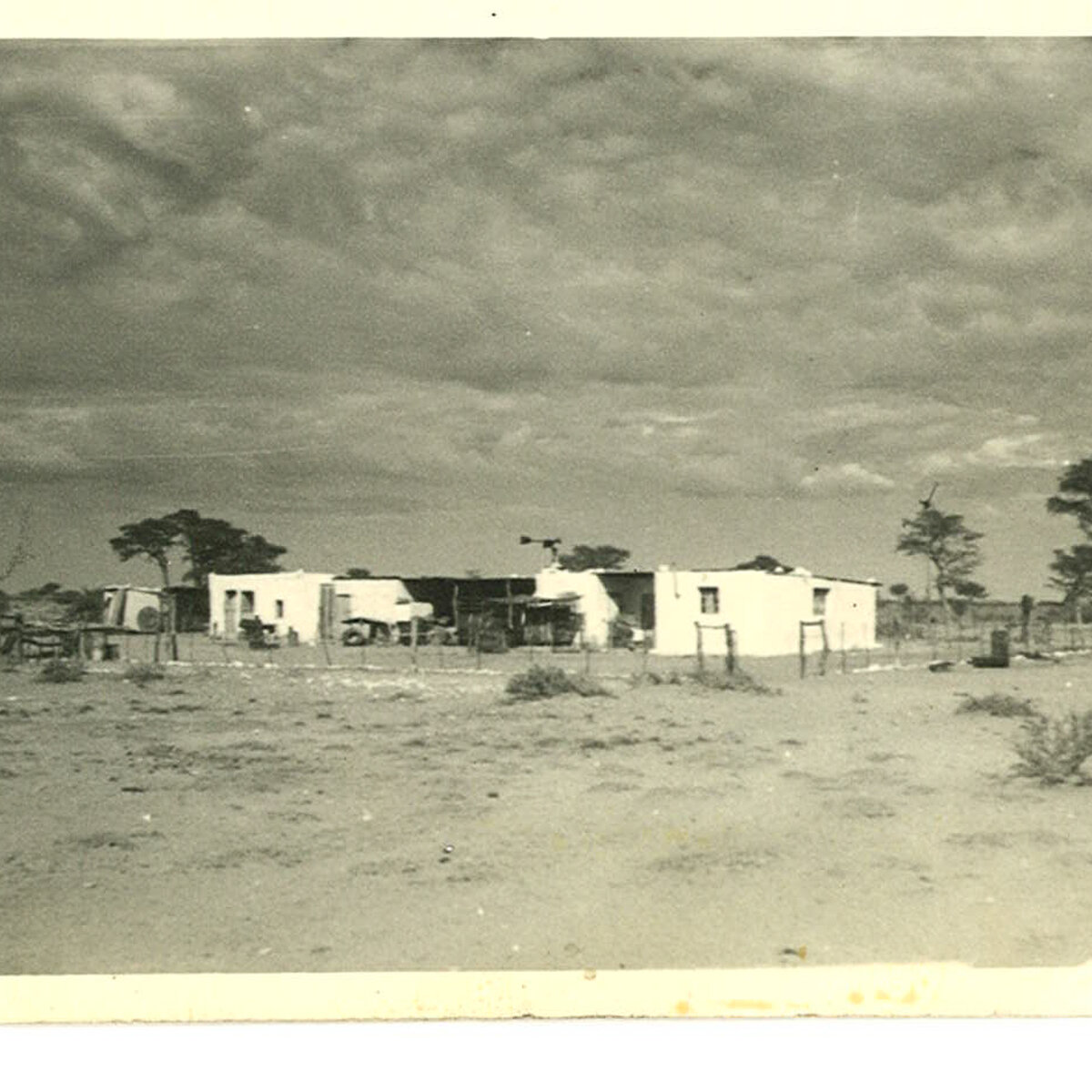
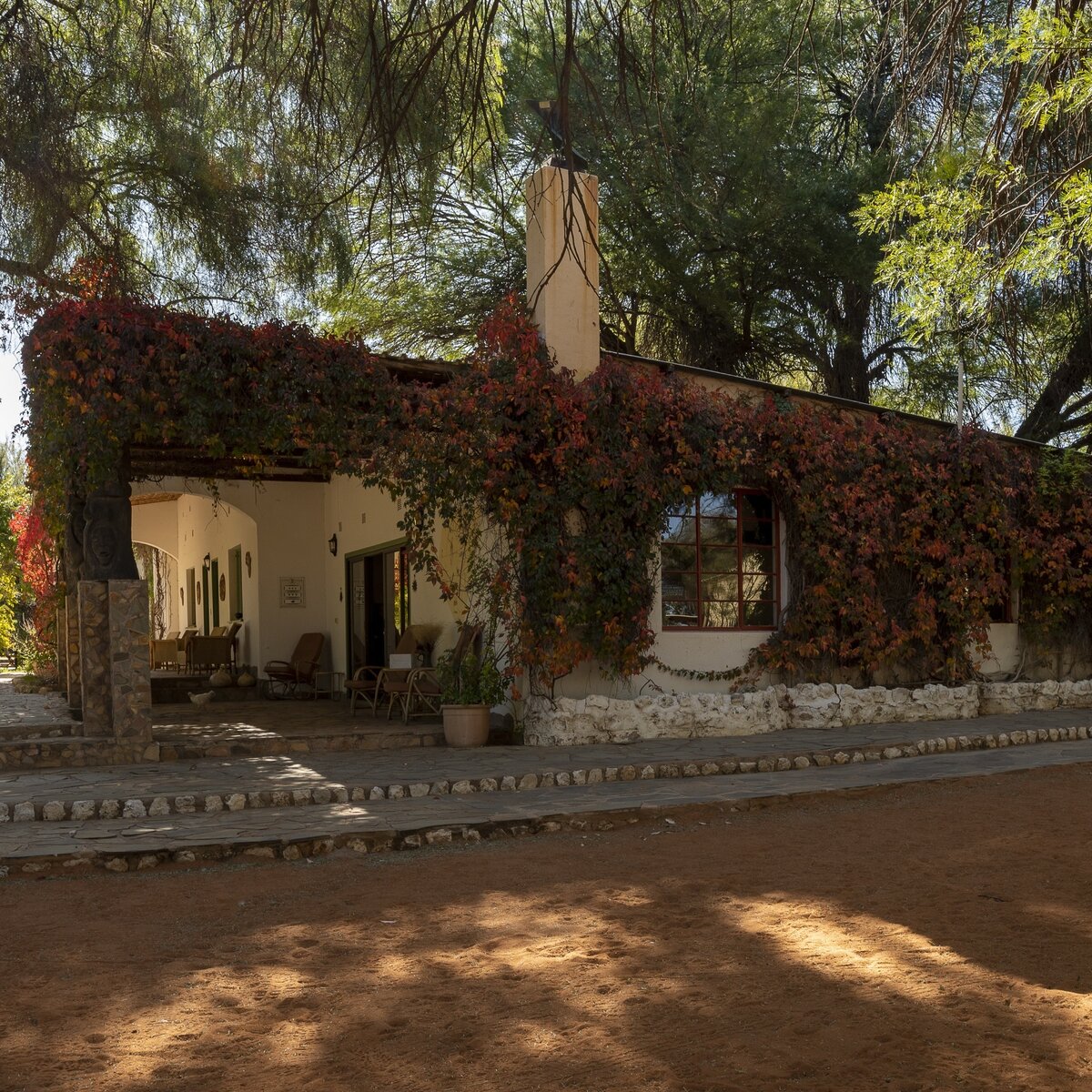
Long before Kuzikus became a wildlife reserve, this land was home to the Nama and San, who lived in harmony with the original Kalahari wilderness. Between 1904 and 1915, a spring on what is now the reserve served as an outpost for the German colonial troops; the farm was first entered in the land register in 1907. From the 1920s onwards, fenced cattle and sheep farming developed here, as it did across much of Namibia.
Since then, Kuzikus has continued to develop in keeping with its original values. Guests, researchers, students, volunteers and film crews have discovered and helped preserve a piece of the original Kalahari wilderness together. Today, Kuzikus is an internationally recognised model of effective conservation without unnecessary bureaucracy and has established itself as a field research station of global importance for threatened key species: a living example of how grazing land can become a wildlife reserve rich in species over time.
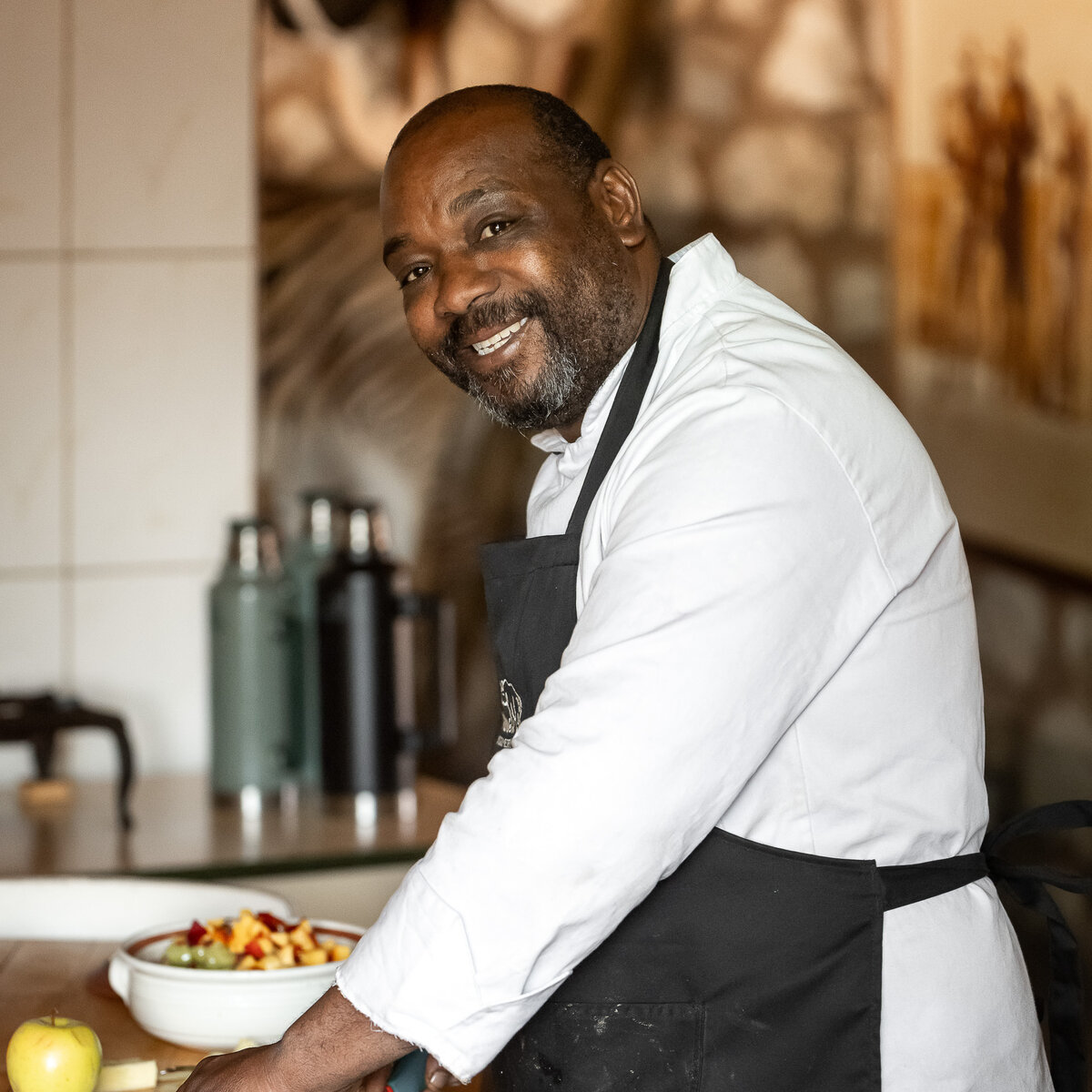
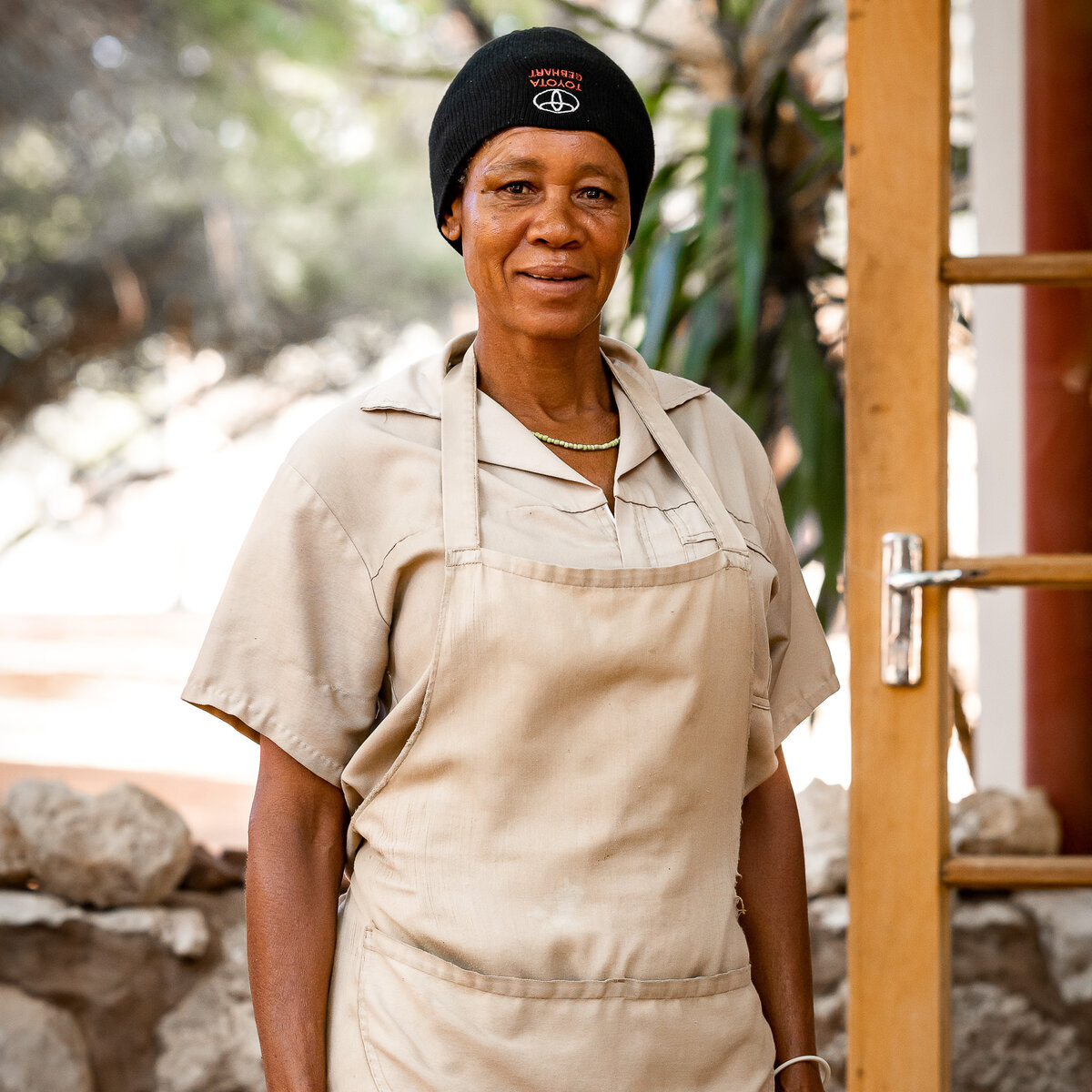
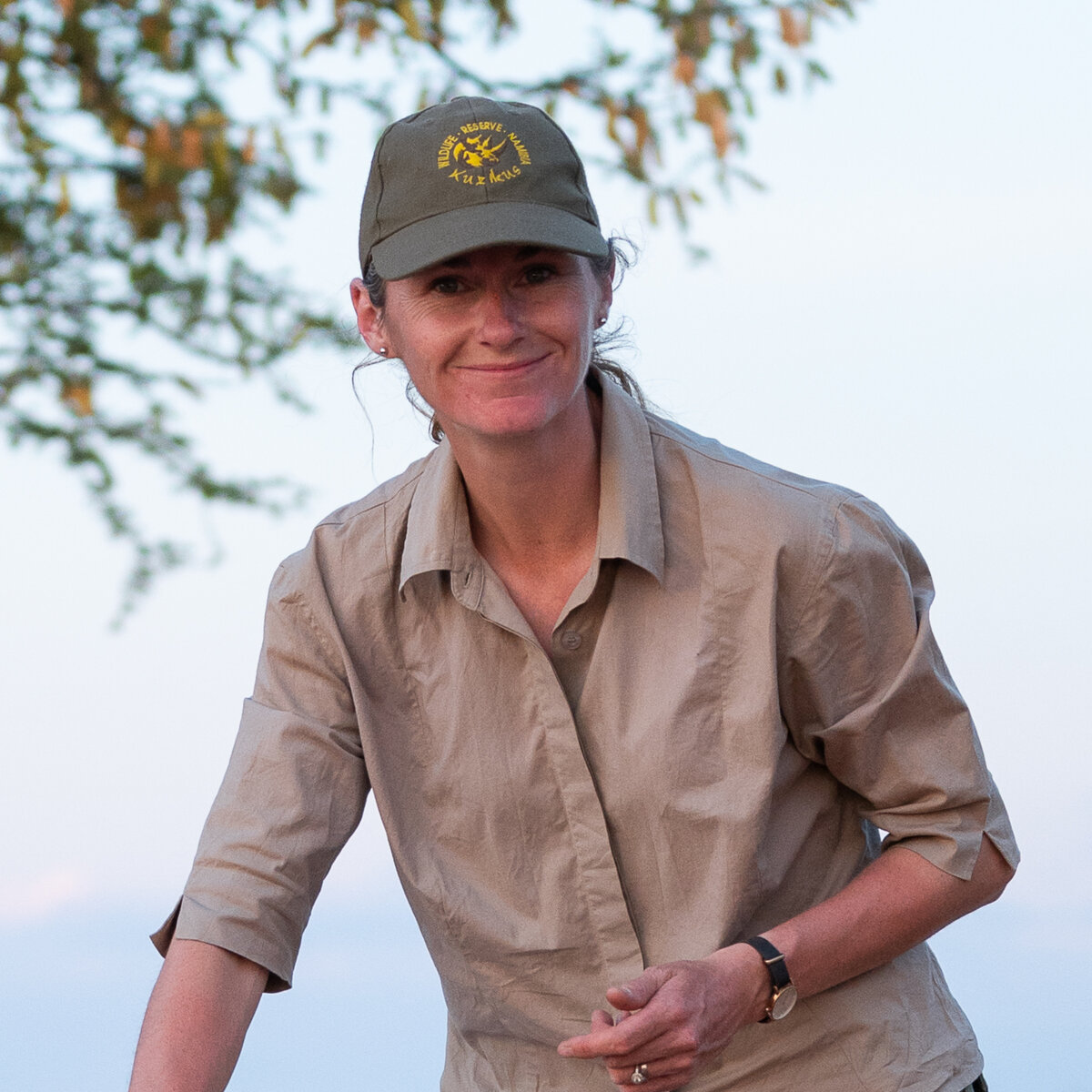
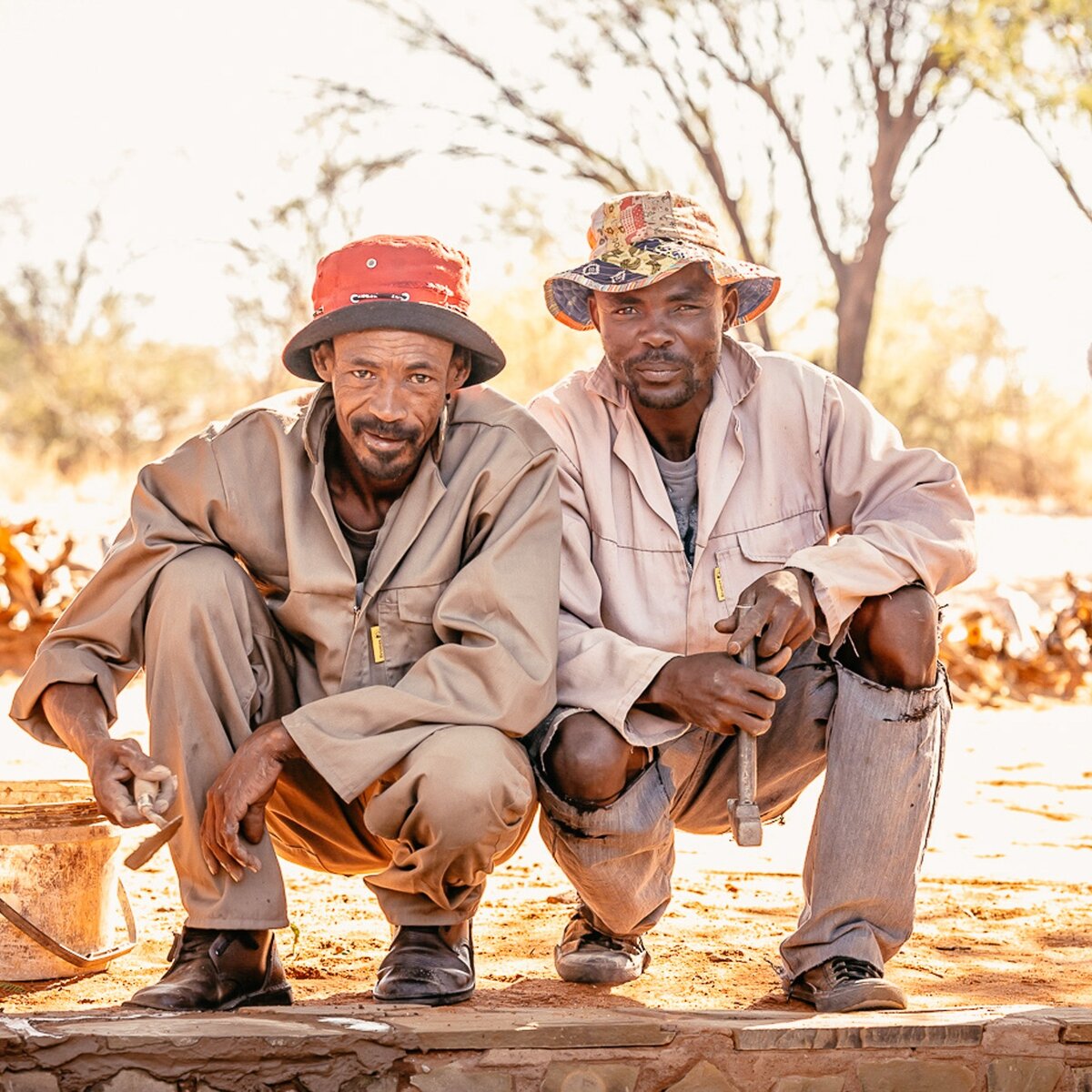
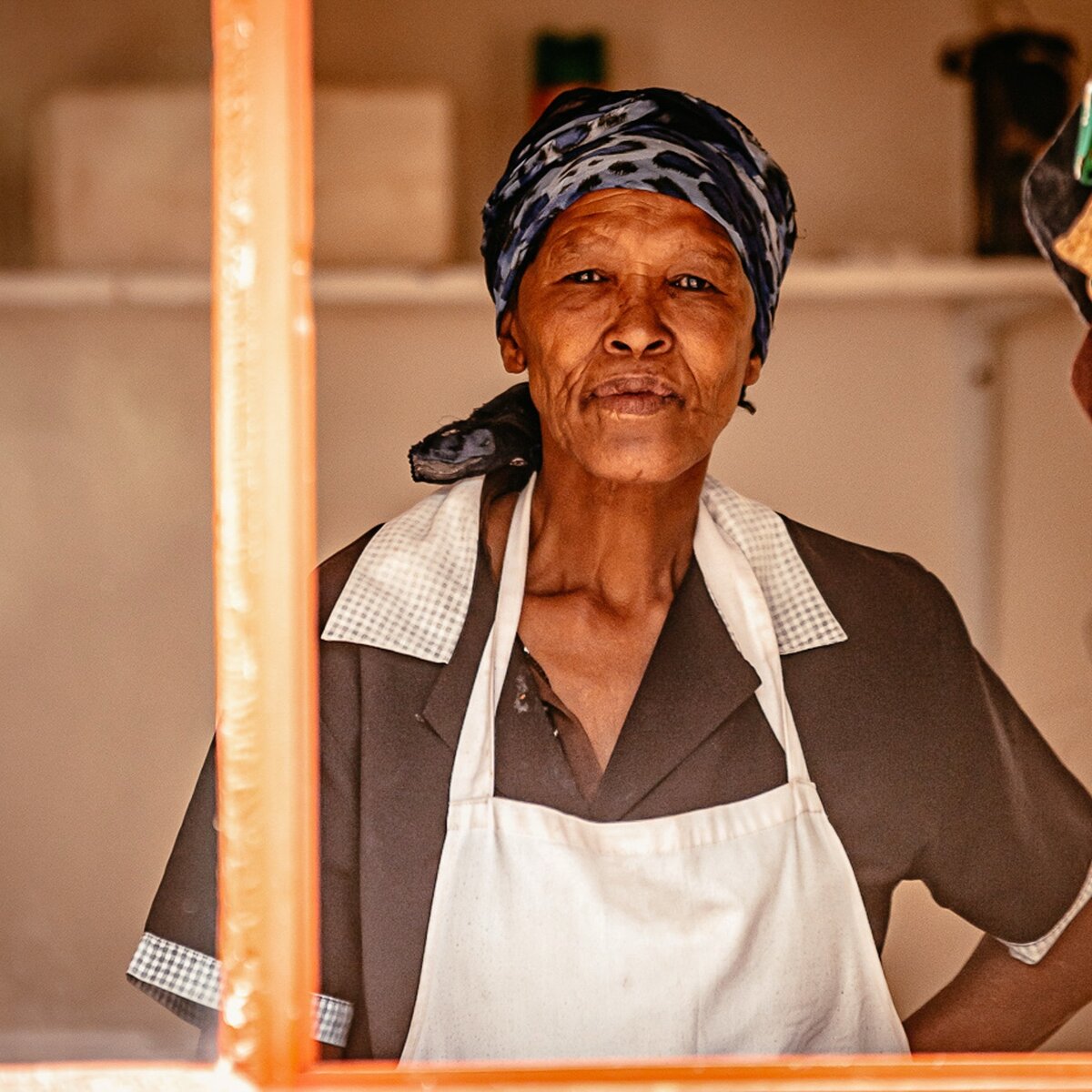
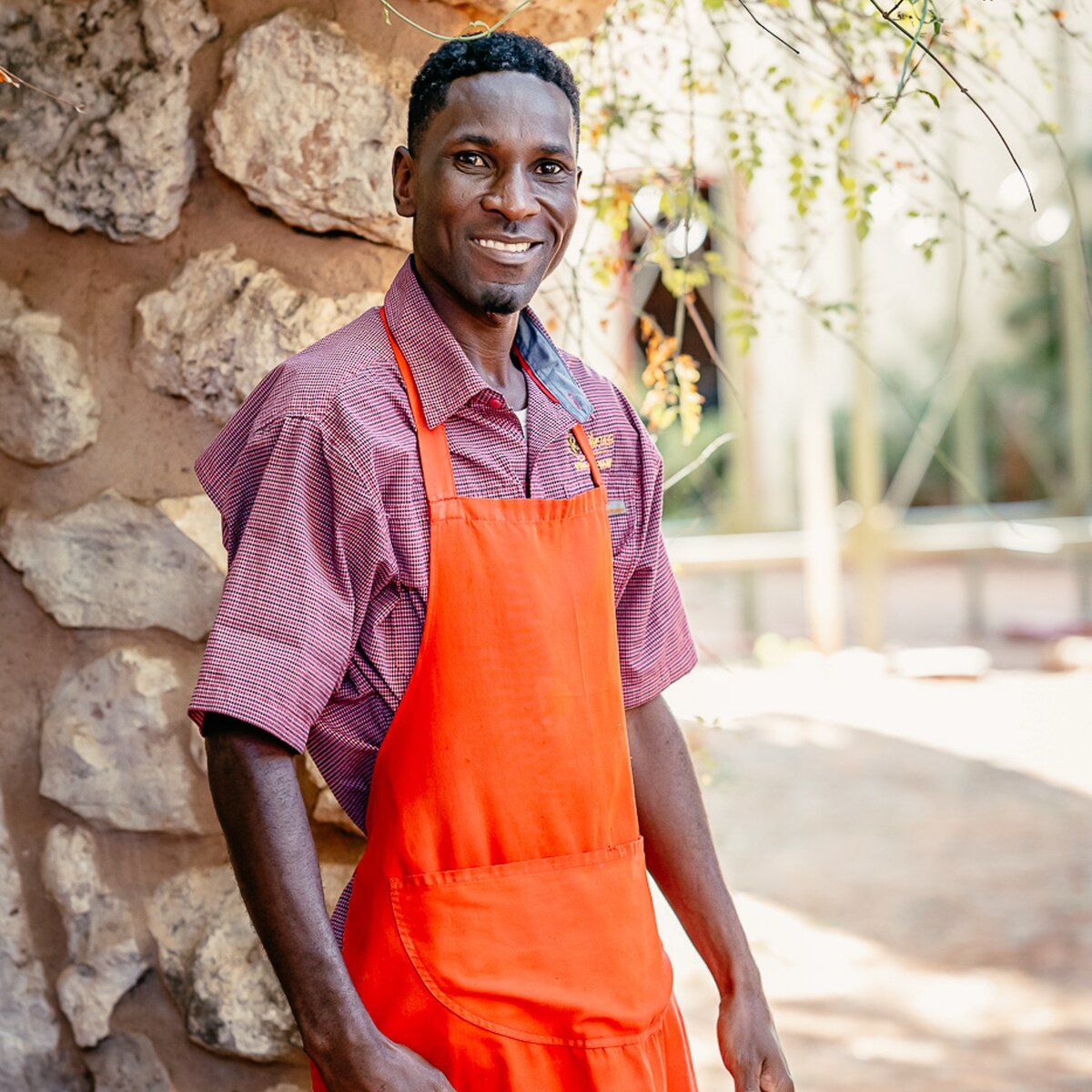
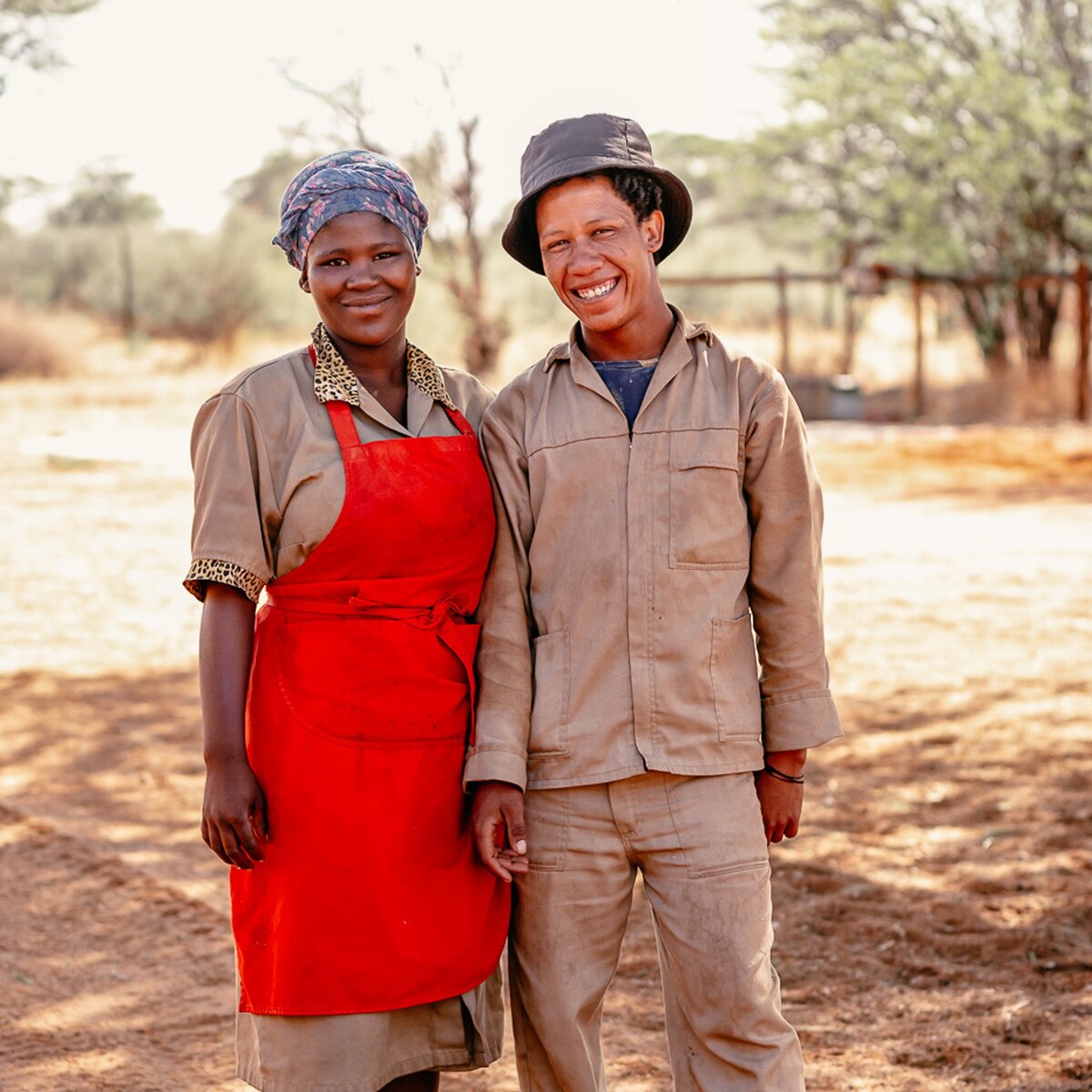
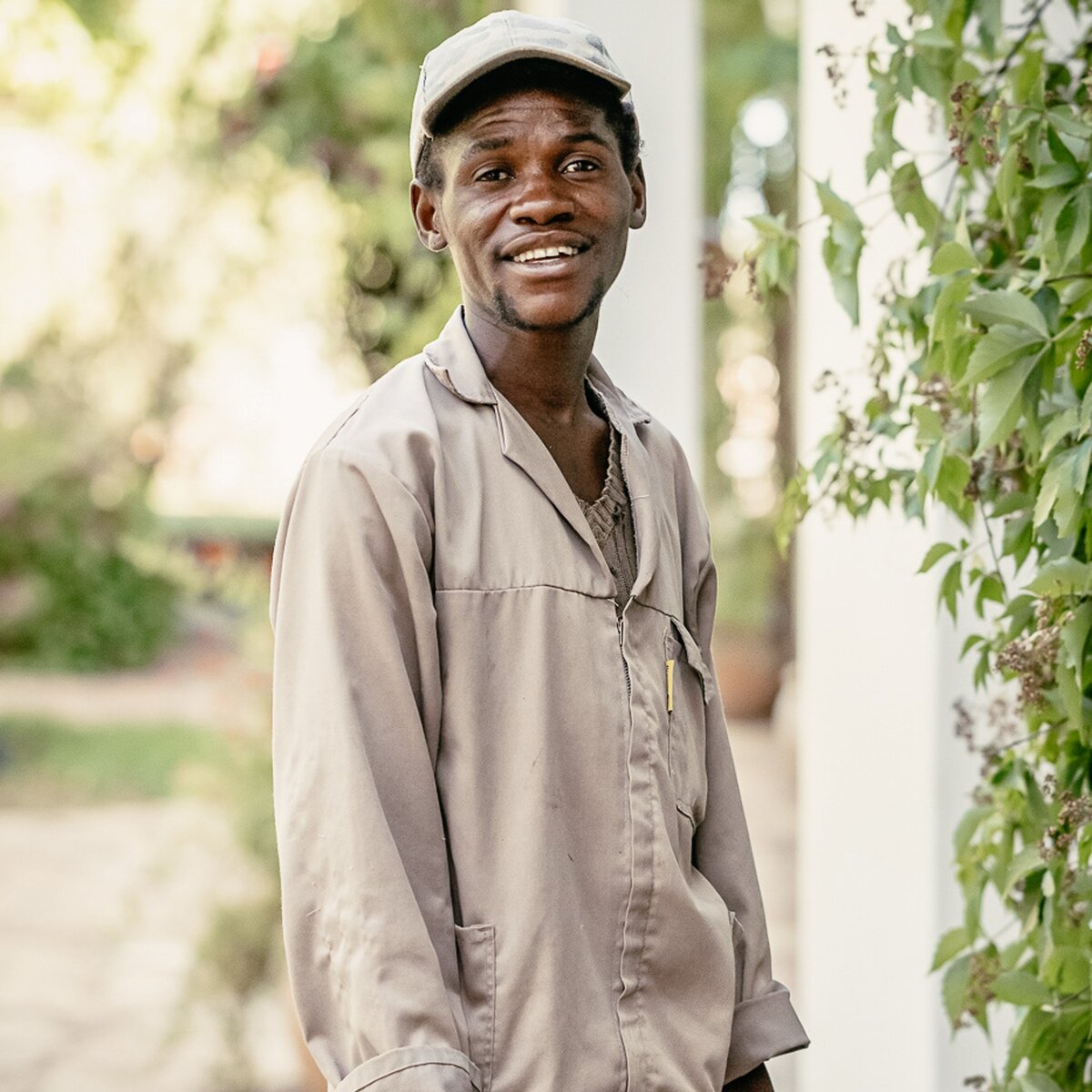

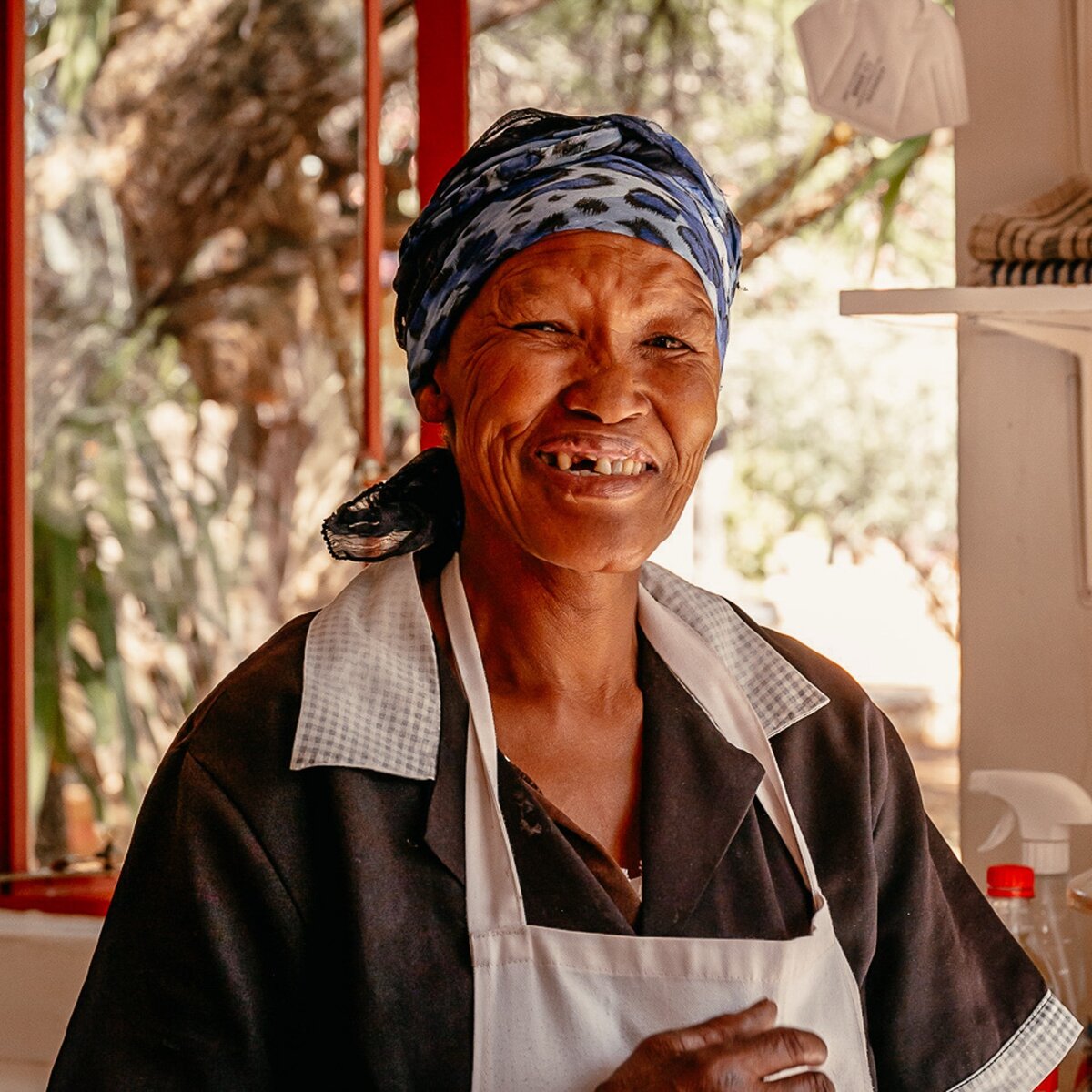
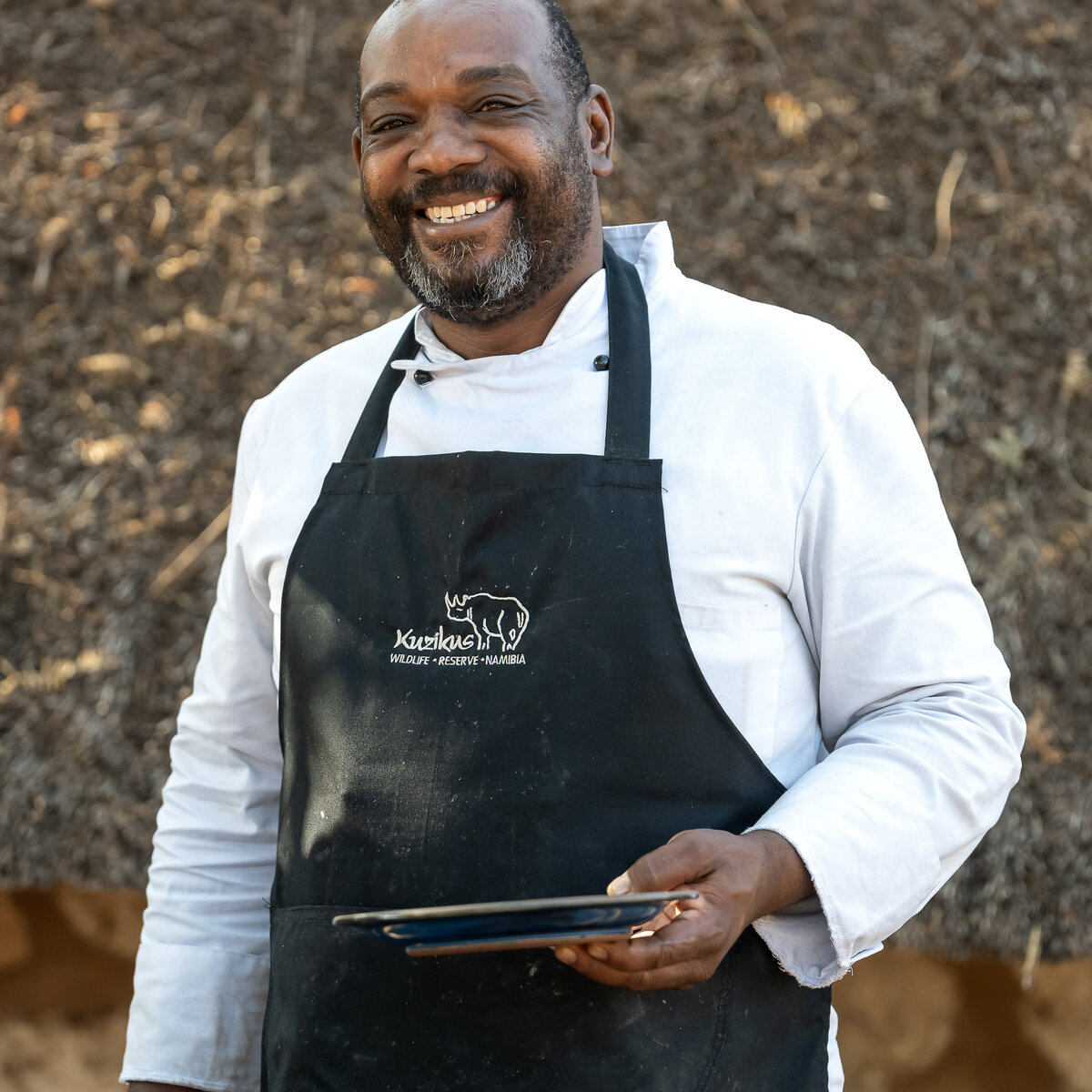
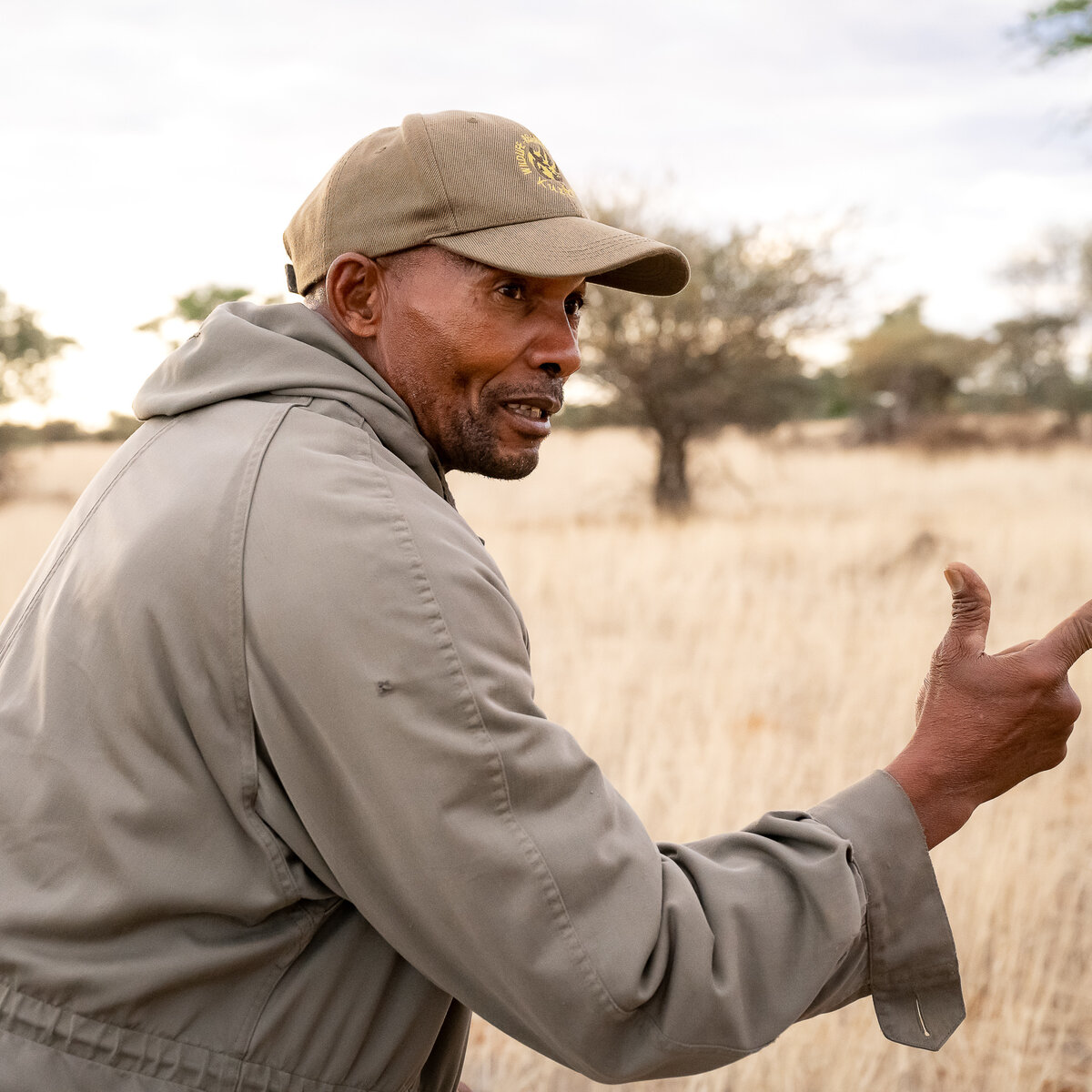
Many members of the team have been with us for decades and have watched several generations of the Reinhard family grow up. Foremost among them is Gous, a San tracker. He has been at Kuzikus for over 40 years, has seen two generations grow up and has taught us all a great deal. His wife Bettina has been responsible for housekeeping for over 30 years and trains new staff.
In the kitchen, Oubaas, our witty and well-organised head chef, delights in using fresh ingredients from the immediate neighbourhood to create varied dishes. When something needs repairing on the farm, Ekkehart is there: he can get anything working again. Hans, meanwhile, takes care of all the building work.
The Khwe San community also plays a special role. As experienced trackers, they accompany rhino tracking and San-guided tours, pass on their traditional knowledge and, through a regular income, help preserve their own culture. Scientists and volunteers are also integral members of the team and give guests direct insights into their work.

| ADDRESS Kuzikus Wildlife Reserve & Astronomy Guest Farm Berend & Dr. Friedrich F. Reinhard Private Bag 13112 9000 Windhoek, Namibia Call via WhatsApp: +26 4817 402 808 Email: info@kuzikus-namibia.com Privacy Legal notice Contact Terms and conditions | MORE INFORMATION Offers and rates Getting here FAQ Newsletter | MORE Astrophotography Press Kuzikus shop Horse riding Donate |